My Journey with Exu and Pombagira: A Kimbanda Experience
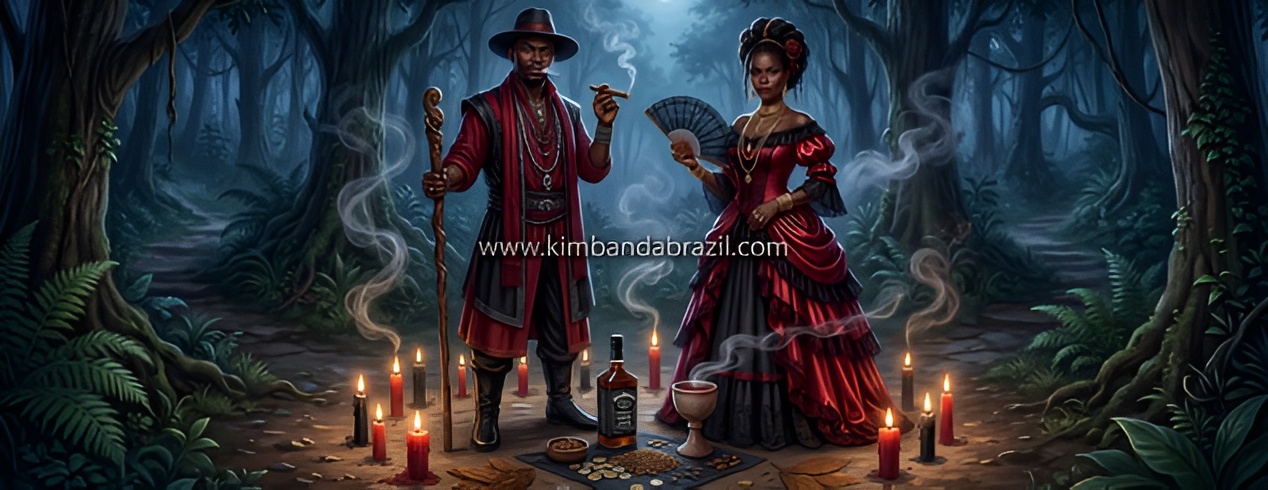
This blog serves as a diary of my experiences with Exú and Pombagira, and my journey as a member of a Kimbanda temple in Brazil. Before diving into my personal story, it’s important to share how I was raised and how I viewed Kimbanda during my childhood and teenage years. Throughout this blog, I’ll refer to the male ancestral sorcerer spirit as Exu and the female ancestral witch spirit as Pombagira.
Early Spiritual Influences: Catholicism and Kardecist Spiritism
I was born into a Catholic household and baptized as a child. Around age five, my parents left the Catholic Church and converted to Kardecist Spiritism, a French-born spiritualist Christian doctrine based on The Spirits’ Book by Allan Kardec. In this belief system, we learn that we are incarnated spirits, that Earth is a “school planet,” and that good deeds are essential for spiritual evolution.
For years, I observed my parents and grandmother discussing spirituality with conviction. They believed we are flawed human beings meant to grow spiritually, and only through good actions—helping others, practicing charity, being honest, working hard—could we ascend to higher spiritual planes. For a while, I believed it too, but during my teenage years, I abandoned religious teachings and became agnostic.
Early Adult Life and the Path to Kimbanda
As an adult, I graduated from nursing school and began working in a small town full of challenges. That’s when my connection with Kimbanda truly began. Everyday struggles and harsh realities led me to seek guidance from Exu and Pombagira.
Everything intensified during the COVID-19 pandemic. Working on the front lines was chaotic: healthcare workers were stretched to their limits, economic pressures increased, and conflicts at work became unavoidable. It was in this environment that I turned to spiritual rituals and ancestral guidance for support.
From Umbanda to Kimbanda: Finding My True Path
I initially joined an Umbanda temple, but stayed only a few months. Umbanda does not focus exclusively on Exu and Pombagira; spirits there are expected to follow moral codes aligned with Christianity. After ten months, I moved to a Kimbanda house, where my true journey began.
Understanding Kimbanda: The Cult of Ancestral Witch Spirits
Kimbanda is a spiritual tradition centered on ancestral witch spirits. Any Brazilian ancestor who mastered herbs, the elements, spellwork, or spiritual practices may become part of Kimbanda. In this tradition, Exu and Pombagira are free to express their true nature, unlike in Umbanda where spirits are constrained by Christian morality.
Exus and Pombagiras once lived as humans. Many suffered persecution, enslavement, exile, or heartbreak. Their unique histories and specialties define their spiritual work today.
The Amorality of Kimbanda Spirits
Exus and Pombagiras are amoral—not immoral. Immorality implies a lack of morals, while amorality indicates indifference to conventional ideas of “good” and “evil.” This distinction is key in understanding Kimbanda. Unlike Umbanda, Kimbanda spirits may perform acts that are neutral or even seemingly harmful, depending on the energy needed for a ritual.
Cultural Diversity and Ritual Practices in Kimbanda
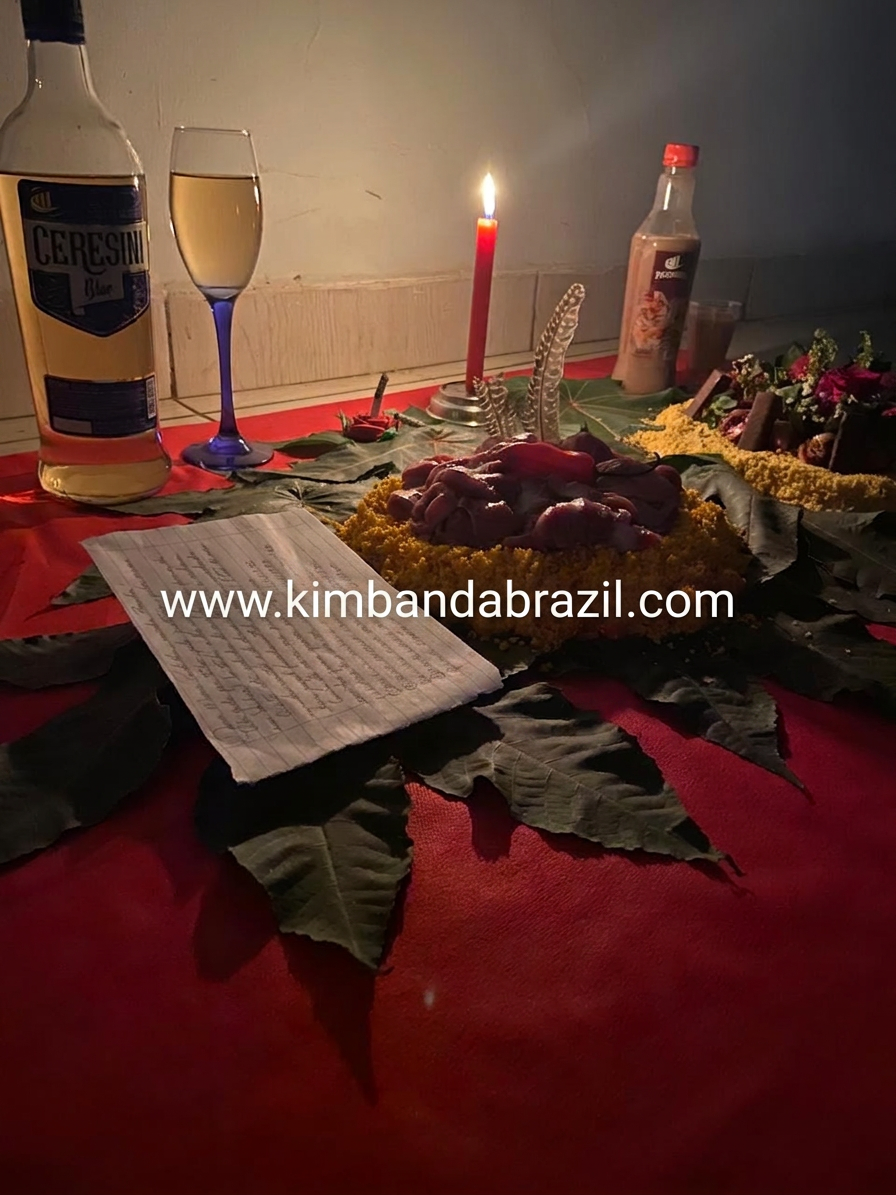
Brazil’s cultural diversity—European, Indigenous, and African—shapes Kimbanda rituals. Offerings, foods, and spiritual tools are carefully selected to match the tastes of each spirit. This individualized approach ensures a strong spiritual connection and effective spiritual rituals, including money attraction, opening paths, and spiritual cleansing rituals.
Conclusion: Kimbanda as a Spiritual Tradition
In summary, Kimbanda is an initiatory spiritual tradition devoted to the ancestral witch spirits of Brazil, known as Exu and Pombagira. As an initiatory cult, Kimbanda requires guidance, training, and a deep personal connection with the spirits, allowing practitioners to progress step by step through its teachings. These spirits exist freely, outside the moral frameworks of Christianity, and guide initiates through spiritual rituals, offerings, and personalized magical practices, fostering both spiritual growth and practical results.
Deixe um comentário