

Kimbanda Attack Spells: Myths and Truths
Understanding Kimbanda Beyond the Myths
Kimbanda is a Brazilian religious tradition centered on the relationship between human beings and ancestral spiritual entities known as Exus and Pombagiras. Contrary to what many people assume, it is not simply a collection of magical practices or a system dedicated to solving personal problems. Instead, it is an initiatory path that emphasizes responsibility, spiritual commitment, respect for ancestral wisdom, and a lifelong relationship between practitioners and the spirits they honor. For many followers, Kimbanda represents a way of understanding life, accepting personal responsibility, and strengthening one’s connection with ancestral forces rather than searching for quick or miraculous solutions.
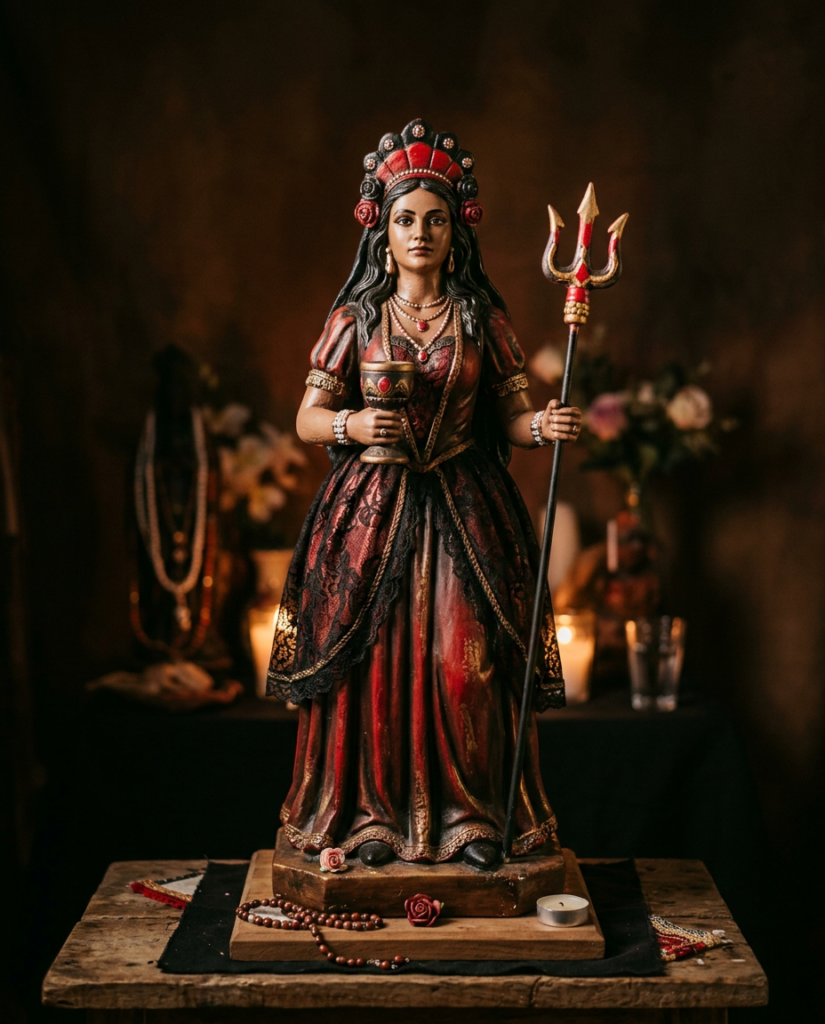
Moreover, Kimbanda should not be confused with the stereotypes often found in movies, social media, or sensationalized television programs. Like many religious traditions around the world, it includes rituals, prayers, offerings, ceremonies, and spiritual consultations that reflect its own philosophy and worldview. Although magical practices are part of the tradition, reducing Kimbanda to spellwork alone ignores its cultural, historical, and religious depth. Throughout my own journey, I have learned that this tradition is built upon discipline, respect, and the continuous pursuit of spiritual growth rather than fear or superstition.
Want to learn more about Exu and Pombagira, the ancestral sorcerers of Brazilian Kimbanda? Click here.
Why Is Kimbanda So Often Misunderstood?
Unfortunately, Afro-Brazilian religions have experienced prejudice for generations. Throughout Brazilian history, religious practices rooted in African traditions were frequently marginalized, criminalized, or deliberately misrepresented. As a result, many people grew up believing these traditions were dangerous simply because they were unfamiliar or different from dominant religious beliefs. Consequently, myths surrounding Kimbanda became deeply embedded in popular culture and continue to influence public perception today.
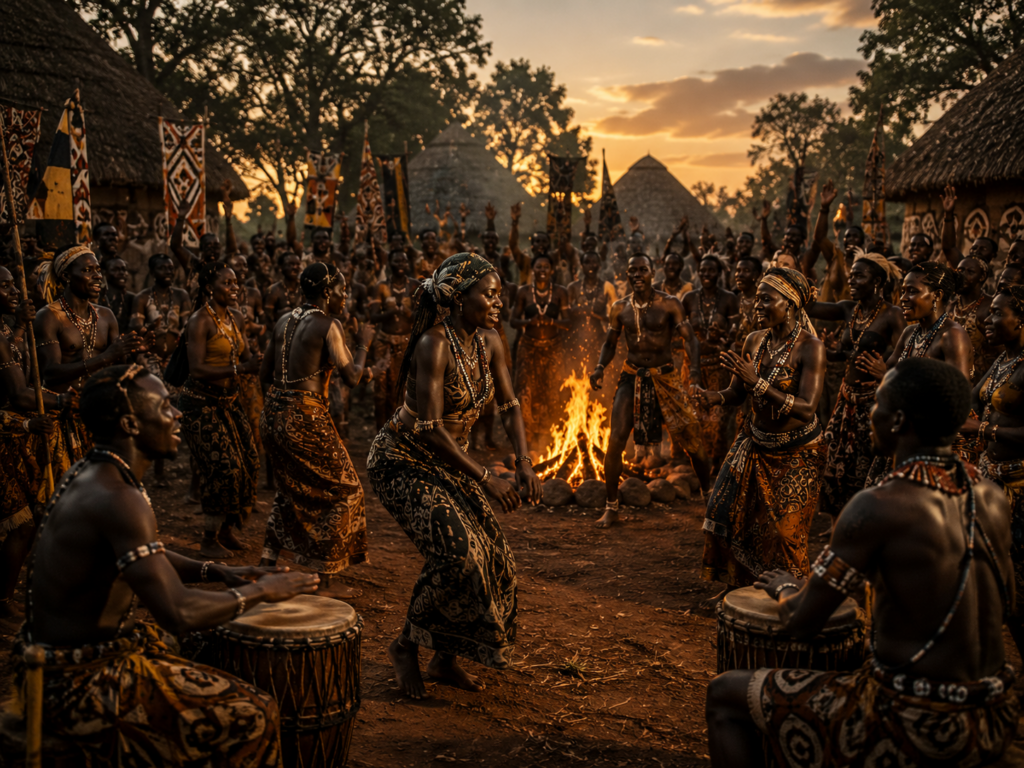
Furthermore, the internet has amplified many of these misconceptions. Instead of presenting balanced information, numerous websites and social media accounts rely on sensational headlines designed to attract attention rather than educate readers. Fear sells quickly, whereas historical context requires patience and careful explanation. Therefore, dramatic stories often receive far more visibility than thoughtful discussions about the religion itself.
Another important factor involves the influence of Christian symbolism on popular interpretations of Afro-Brazilian traditions. Because Exus are frequently represented with characteristics that outsiders associate with the Christian Devil, many people automatically conclude that Kimbanda revolves around devil worship. However, this conclusion reflects an external interpretation rather than the beliefs of Kimbanda practitioners themselves. Within the tradition, Exus and Pombagiras are understood as ancestral spiritual entities with distinct personalities and responsibilities, not as representations of the Christian concept of Satan.
In my opinion, much of the fear surrounding Kimbanda comes from a lack of genuine curiosity. Instead of studying the religion directly or speaking with experienced practitioners, many individuals repeat stories they have heard from others. Consequently, misinformation spreads faster than accurate knowledge, reinforcing stereotypes that have existed for decades.
Discover Exu Mirim, the little great warrior of Brazilian Kimbanda. Click here.
The History of Harmful Magic Is Much Older Than Kimbanda
One of the most common misconceptions is the belief that harmful forms of ritual magic somehow originated with Kimbanda. Historical evidence suggests otherwise. Anthropologists and historians have documented that many ancient civilizations across Africa, Europe, Asia, and the Americas developed spiritual practices intended for healing, protection, justice, prosperity, and, in some cases, conflict. Therefore, the idea of using spiritual rituals during disputes is far older than modern Brazilian religious traditions.
Likewise, many traditional societies believed that spiritual forces could influence everyday life, including relationships between families, communities, and rival groups. Whether these beliefs involved blessings, protection, curses, or symbolic rituals varied greatly from one culture to another. Nevertheless, similar concepts appear throughout human history, demonstrating that Kimbanda did not invent these ideas.
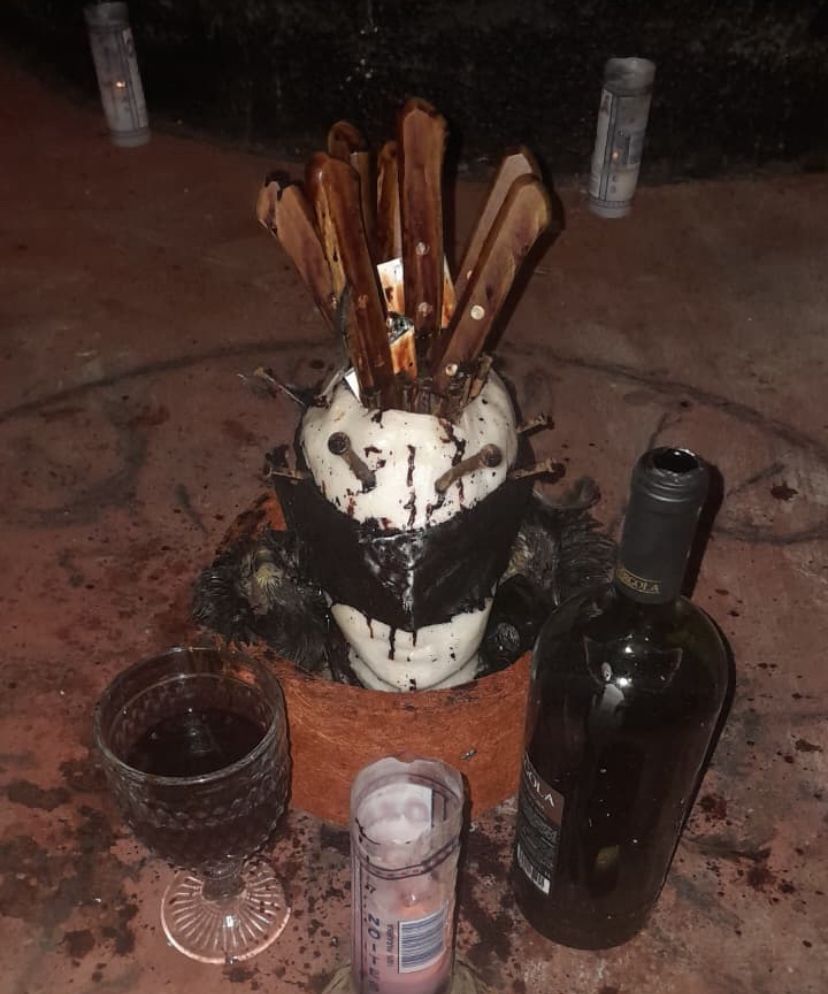
Because of this historical reality, it would be inaccurate to present Kimbanda as uniquely associated with harmful ritual practices. Instead, it should be understood within the broader context of humanity’s long history of spiritual beliefs. Every major civilization developed its own understanding of unseen forces, moral responsibility, justice, and protection. Accordingly, reducing Kimbanda to a single controversial topic ignores both history and the complexity of the religion itself.
From my perspective, critics often isolate one aspect of Kimbanda while ignoring identical patterns that have existed across countless religious and magical traditions throughout history. Such selective criticism creates an unfair standard that is rarely applied to other belief systems.
Myths That Continue to Surround Kimbanda
Perhaps the most famous myth claims that Kimbanda practitioners “sell their souls to the Devil.” Although this story appears repeatedly in movies, television programs, online videos, and conspiracy theories, it does not accurately represent the religion itself.
The first problem with this claim is simple: Kimbanda does not worship the Christian Devil. In fact, the concept of Satan belongs to Christian theology rather than to traditional Kimbanda cosmology. Since the religion developed from different historical and cultural foundations, applying Christian theological concepts directly to Kimbanda creates confusion instead of understanding.

Similarly, another persistent accusation involves alleged child sacrifices. This claim has circulated for decades despite the absence of credible evidence supporting it. Much like the “satanic panic” narratives that spread through different countries during the twentieth century, these stories often rely on fear rather than verified facts. Unfortunately, once such rumors become widespread, they are repeated so frequently that some people begin accepting them without questioning their origin.
In addition, sensational content creators frequently recycle these allegations because shocking stories generate more clicks than balanced explanations. As a result, conspiracy theories continue circulating long after historians, researchers, and practitioners have challenged them. Instead of encouraging meaningful dialogue, these narratives promote misunderstanding and deepen prejudice against communities that are already frequently misrepresented.
Do you believe in karma? Click here to explore Kimbanda’s perspective on karma.
My Personal Perspective on the Subject
After years of studying and practicing Kimbanda, I have come to believe that one of the greatest obstacles facing this religion is not its rituals but the way outsiders choose to describe them. Too often, discussions begin with fear instead of knowledge. Consequently, meaningful conversations become almost impossible because many people have already formed an opinion before learning anything about the tradition itself.
Personally, I do not believe that every story shared online deserves immediate credibility. On the contrary, I encourage readers to question extraordinary claims, verify their sources, and seek information from people who actually practice the religion. Although healthy skepticism is valuable, skepticism should apply equally to sensational accusations as well as to exaggerated promises made by self-proclaimed spiritual authorities.

Moreover, every religious tradition contains beliefs and practices that may seem unfamiliar to outsiders. Nevertheless, unfamiliarity should never be confused with criminal behavior or moral corruption. History repeatedly demonstrates that minority religions often become targets of rumors during periods of social tension. In many cases, these rumors reveal more about society’s fears than about the communities being accused.
At the same time, I believe practitioners also have a responsibility to present Kimbanda honestly. Romanticizing the religion can be just as misleading as demonizing it. Therefore, I prefer describing my experiences without exaggeration. Kimbanda is neither a fantasy nor a horror movie. Instead, it is a religious path that requires discipline, commitment, patience, and respect for ancestral traditions.
Want to learn how to prepare an attraction bath? Click here.
Looking Beyond Internet Sensationalism
Today, social media has made it easier than ever to spread dramatic stories. Unfortunately, many content creators have discovered that fear attracts attention more quickly than careful research. Because of this, videos and articles frequently portray Kimbanda using shocking titles, frightening images, or fabricated stories designed to maximize views rather than educate audiences.
For example, it is common to encounter videos claiming that every Exu represents evil or that every ritual is intended to harm someone. However, these broad generalizations ignore the diversity that exists within Afro-Brazilian religious traditions. Like any religion, Kimbanda includes different lineages, experienced practitioners, and individual interpretations. Therefore, simplistic conclusions rarely reflect reality.
Likewise, another growing problem involves individuals presenting themselves as secret “masters” who claim exclusive knowledge about the religion. In my opinion, readers should approach these claims with caution. Genuine learning usually comes through long-term study, personal experience, and respectful dialogue instead of sensational promises or mysterious marketing.
Furthermore, responsible education requires acknowledging complexity. Some aspects of Kimbanda may challenge readers who come from different religious backgrounds. Even so, understanding does not require agreement. Respectful disagreement is entirely possible when discussions are based on accurate information rather than stereotypes.
Conclusion
Kimbanda remains one of Brazil’s most misunderstood religious traditions. Although many people immediately associate it with fear, violence, or dark legends, these assumptions rarely capture its historical, cultural, and spiritual richness. As with many Afro-Brazilian religions, prejudice and misinformation have shaped public opinion for generations, making it difficult for outsiders to distinguish documented history from popular myth.
For that reason, I believe the best approach is education rather than sensationalism. Instead of repeating conspiracy theories or relying on fictional portrayals, readers should seek reliable information, compare different perspectives, and recognize that every religious tradition deserves to be understood within its own cultural context.

Finally, my hope is that this article encourages curiosity instead of fear. Whether you ultimately agree with Kimbanda’s beliefs or not, learning about another spiritual tradition with honesty and respect is always more valuable than accepting myths without question. Genuine knowledge begins when we replace assumptions with careful study, thoughtful conversation, and an open mind.
Deixe um comentário