
Herbs in Kimbanda: The Spiritual Power of Castor Leaves (Folha de Mamona)
What is Kimbanda?
Kimbanda is a practice focused on working with spiritual forces, ancestral energies, and natural elements. For beginners, it is important to approach it with respect and an open mind. Furthermore, herbs play a central role in Kimbanda rituals, as they help practitioners connect with the spiritual realm safely and effectively.
Want to understand Kimbanda? Click here to learn more.
Why Herbs Are Important in Kimbanda
In Kimbanda, spiritual herbs are considered powerful allies. Specifically, each herb carries its own energy, which can be used for multiple purposes, including protection from negative energies and energetic cleansing and purification.
Some of the most commonly used Kimbanda herbs include:
- Arruda (Rue): Protects and wards off negative energies
- Guiné (Celosia argentea): Used in cleansing rituals
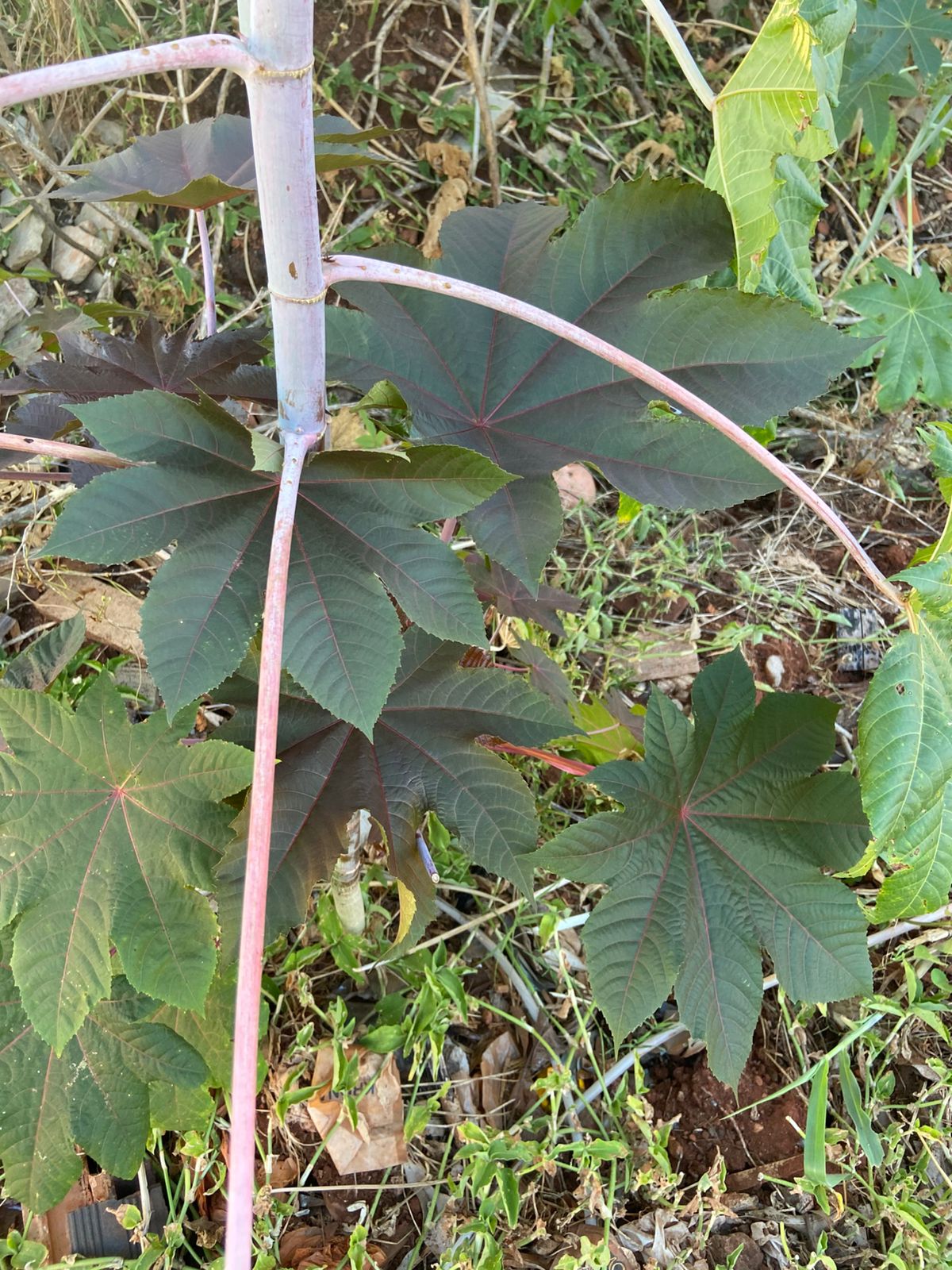
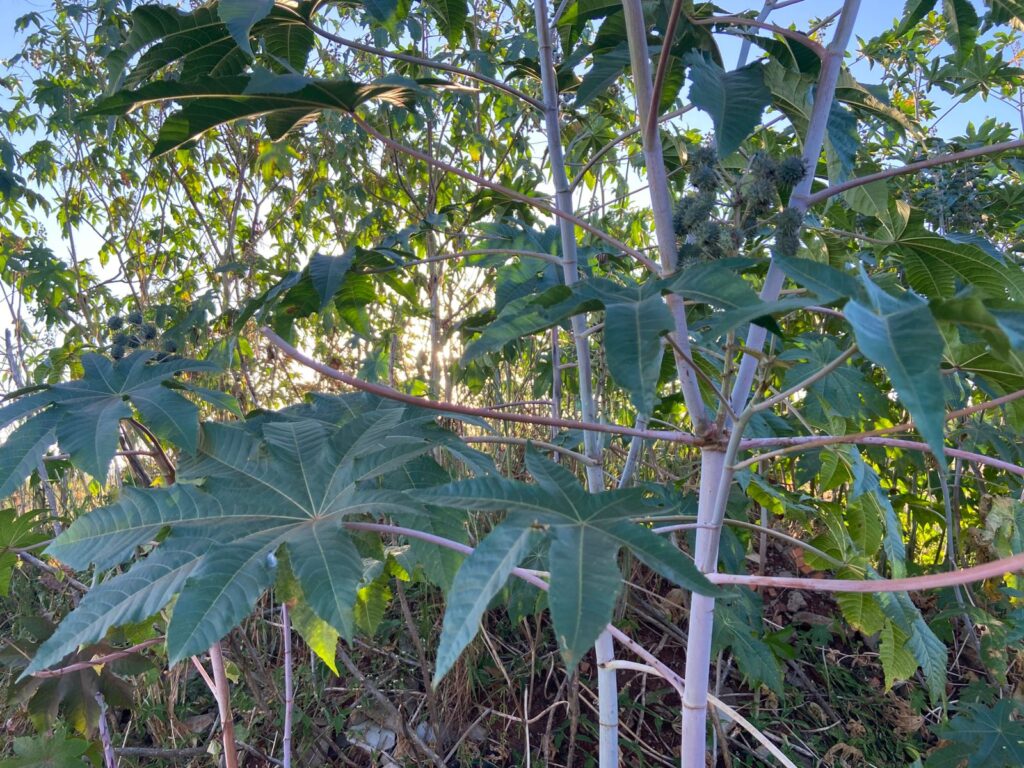
- Folha de Mamona (Castor Leaf): Shields against harmful energies and is used as a sacred prato natural (natural plate) for offerings in Afro-Brazilian rituals
By understanding the role of each herb, practitioners can enhance their spiritual practices and work more effectively with energies.
Castor Leaf (Folha de Mamona): Spiritual Uses
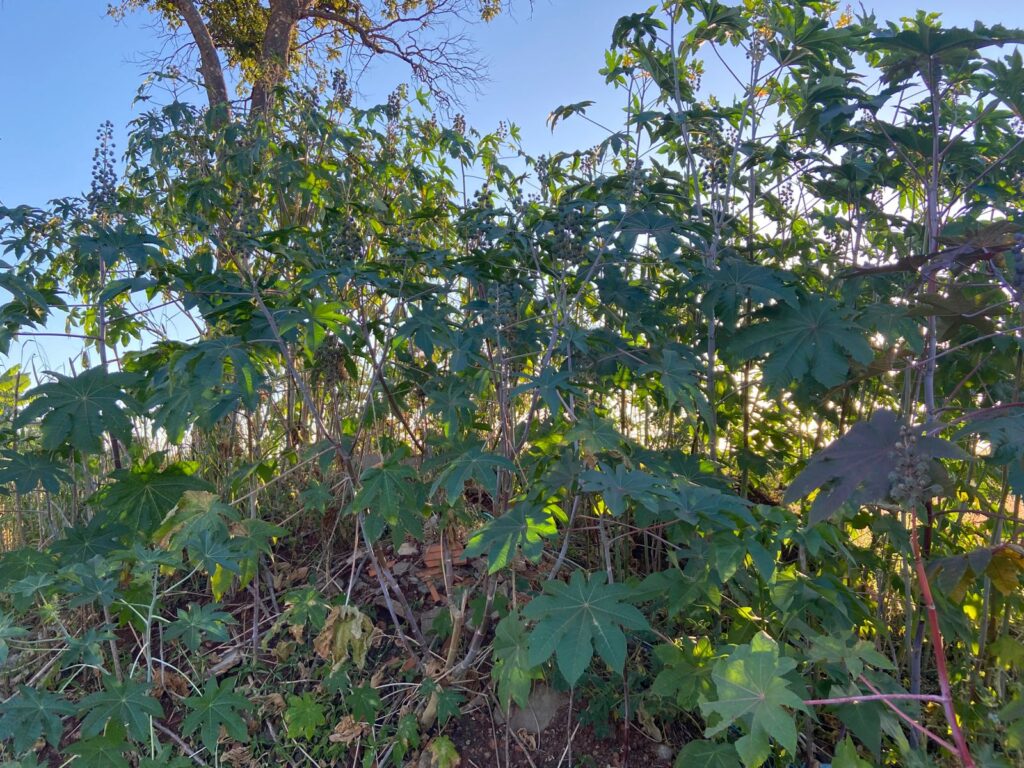
The castor leaf is highly respected in Afro-Brazilian spiritual practices for protection, energy cleansing, and use in offerings. In addition, its versatility makes it a key element in many Kimbanda rituals.
Protection from Negative Energies
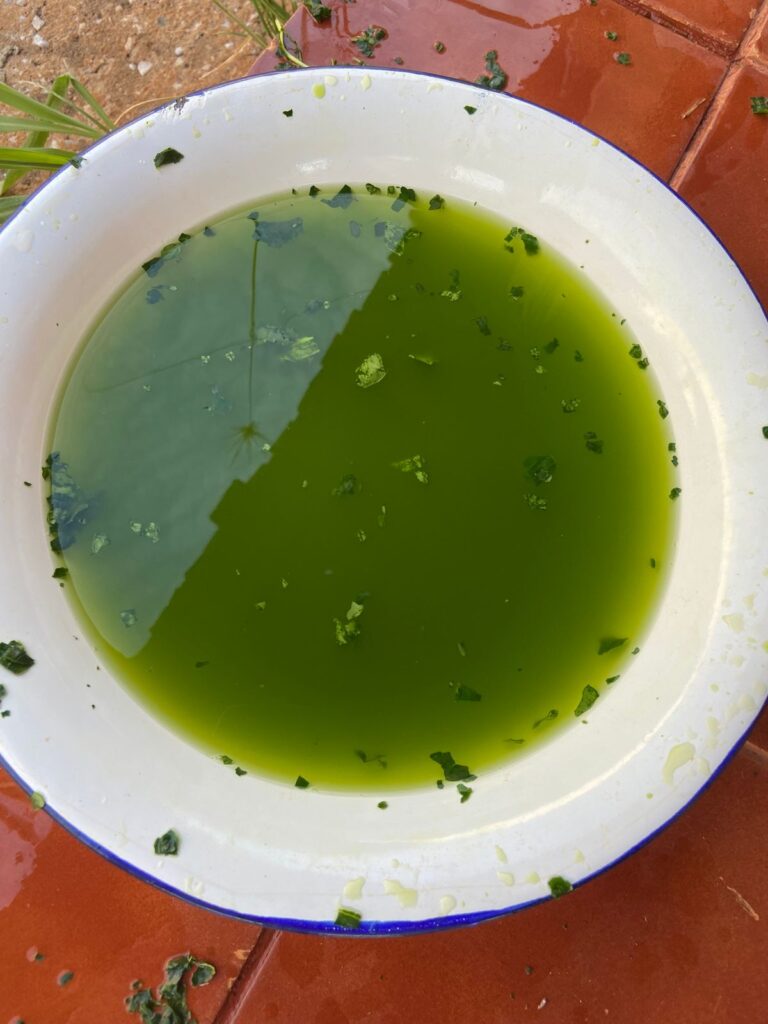
Castor leaves are believed to absorb and repel harmful energies, helping to cleanse your home and personal space. Moreover, practitioners often use them in spiritual baths to remove negative energy and restore balance.
Personal Experience with Castor Leaf Baths
From my own practice, I usually take baths with castor leaves combined with other herbs once a month, while using different cleansing herbs weekly. Through these experiences, I have found that castor leaves are excellent for energetic cleansing—they effectively help remove envy and other harmful energies. Therefore, anyone starting out in Kimbanda should remain open to learning, especially when working with sacred herbs.
Click here and learn how to prepare an herbal bath.
Using Castor Leaves as a “Prato Natural” / “Natural Plate”
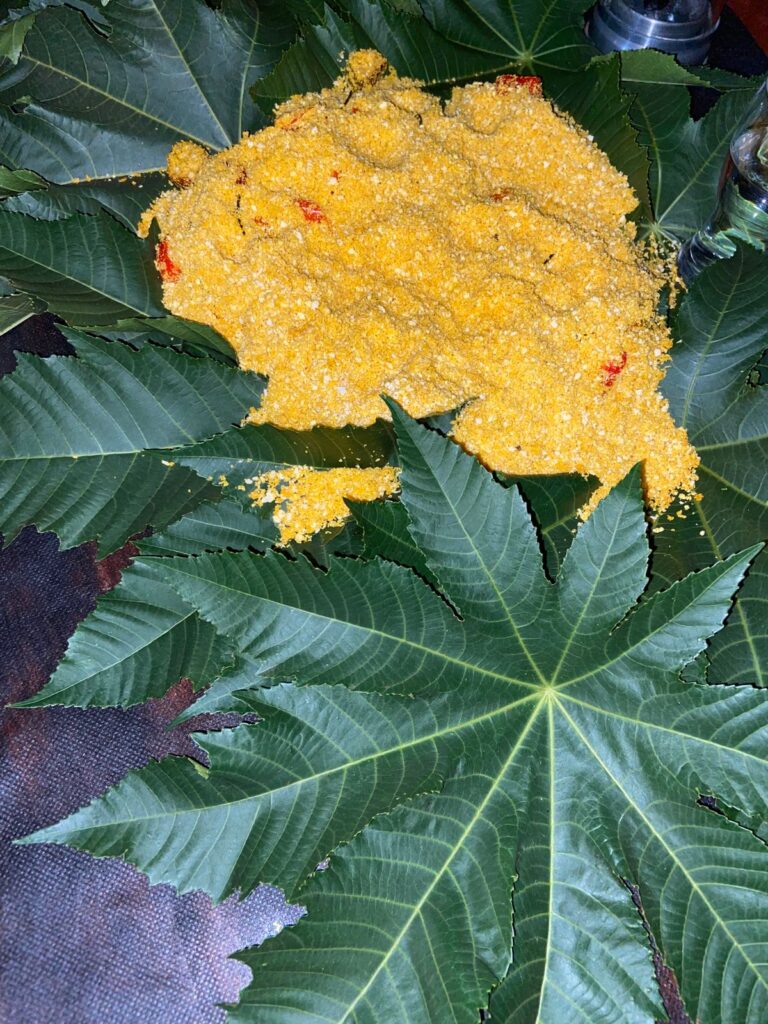
In Afro-Brazilian religious practices, the folha de mamona is often used as a sacred prato natural for offerings. This is particularly common in rituals honoring Exú, Pombagira, and certain orixás.
A prato natural can hold:
- Fruits: Bananas, oranges, guavas
- Farofas and grains: Prepared according to ritual instructions
- Peppers: Symbolizing energy, transformation, and protection
- Other ritual foods: Traditional dishes requested by the spirits
Additionally, the castor leaf acts as a spiritual conduit, transferring the energy of offerings to the spirits in a natural and respectful way. By using a prato natural, practitioners connect the material and spiritual worlds, honoring the spirits’ preferences while maintaining harmony.
How to Use Castor Leaves Safely
For those exploring Kimbanda-inspired spiritual practices, there are safe ways to use castor leaves, including:
- Using in spiritual baths (do not ingest, as castor is toxic if consumed)
- Using as a sacred prato natural (natural plate) for offerings to orixás, Exú, and Pombagira
- Combining with other herbs for energetic cleansing and purification
By following these guidelines, practitioners can work safely while fully benefiting from the spiritual power of castor leaves.
Conclusion: Embracing the Magic of Kimbanda Herbs
Herbs like the castor leaf (folha de mamona) are more than natural remedies—they are sacred tools in Afro-Brazilian spirituality. Learning about their use in rituals, cleansing baths, and sacred offerings provides valuable insight into the deep connection between nature, ritual, and spiritual energies.
FAQ – Common Questions About Castor Leaves and Kimbanda
Q: How do I use castor leaves in Kimbanda rituals?
A: Castor leaves can be used in spiritual baths for cleansing or as a prato natural (natural plate) to present offerings to spirits like Exú and Pombagira.
Q: Can I eat the castor leaves?
A: No, castor leaves are toxic if ingested. They should only be used for spiritual purposes.
Q: What other herbs are commonly used in Kimbanda?
A: Herbs like arruda (rue) for protection and guiné for cleansing are commonly used in rituals and baths.
Q: How often should I use castor leaves in baths?
A: Many practitioners, including myself, use them once a month combined with other cleansing herbs, while other herbs can be used weekly.
Deixe um comentário