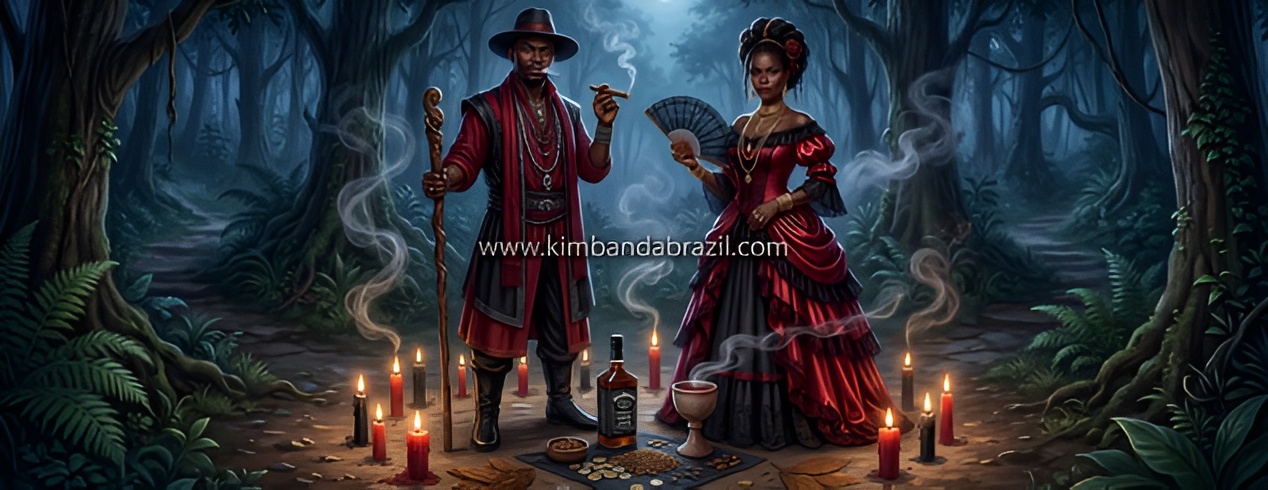
What is Kimbanda?
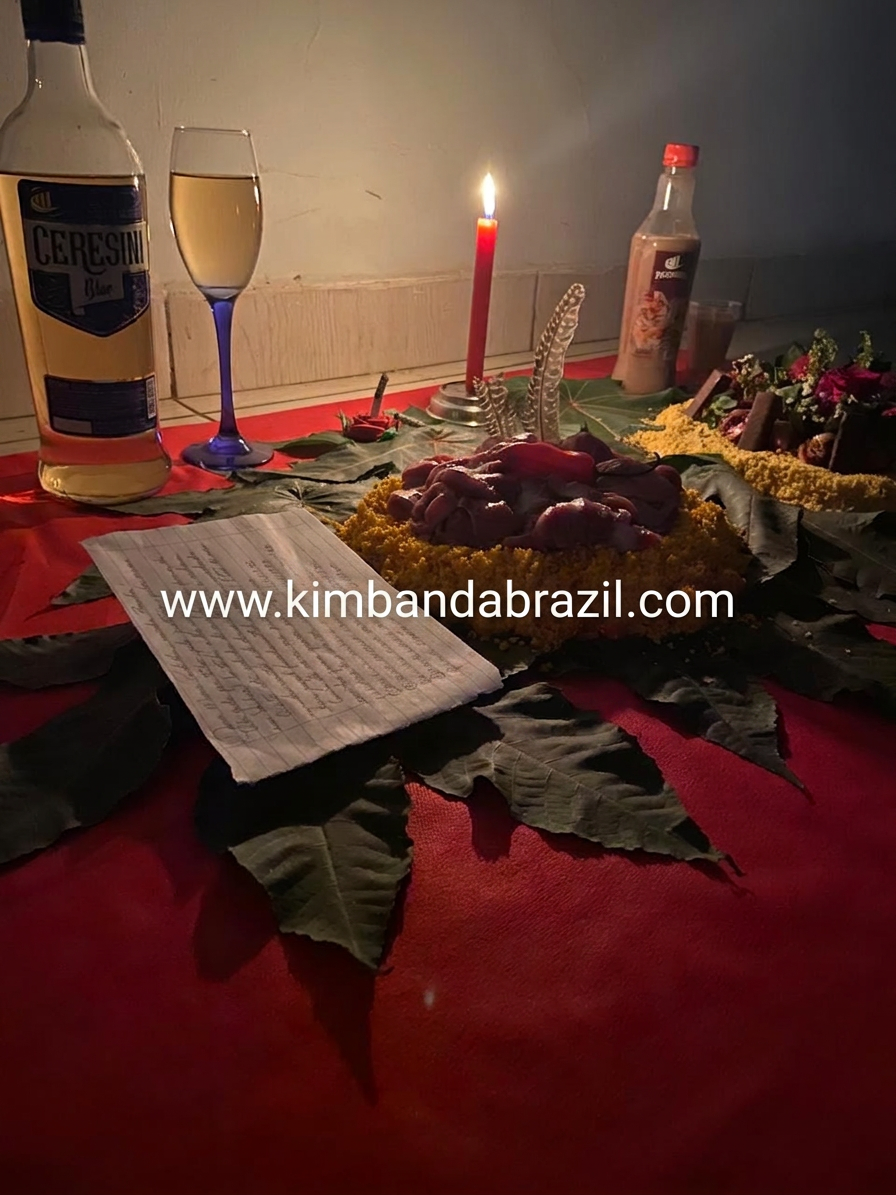
Kimbanda is more than simple sorcery; it’s an initiatory tradition where followers undergo rituals and make pacts with ancestral spirits known as Exus and Pombagiras. These rituals teach practitioners to channel spiritual energy, honor ethical codes, and build a deep connection with the unseen world, making the practice both safe and effective.
This tradition blends elements from candomblé and European magic. It was also shaped by the knowledge of Brazil’s indigenous people, who taught the essential use of herbs and plants for rituals. Without these natural elements, Kimbanda wouldn’t exist in its authentic form. The practice combines protective magic with black magic, used for protection, justice, and spiritual balance under the guidance of Exus and Pombagiras.
The Power of Pombagira
One of the most powerful figures in Kimbanda is Pombagira, a female spirit who embodies indomitable strength and empowerment. She is known for her ability to open and close paths, influencing material and spiritual situations quickly and effectively. Pombagira represents freedom, confidence, and desire, often called upon to solve love conflicts, personal problems, or spiritual blockages. She shows just how powerful feminine energy can be.
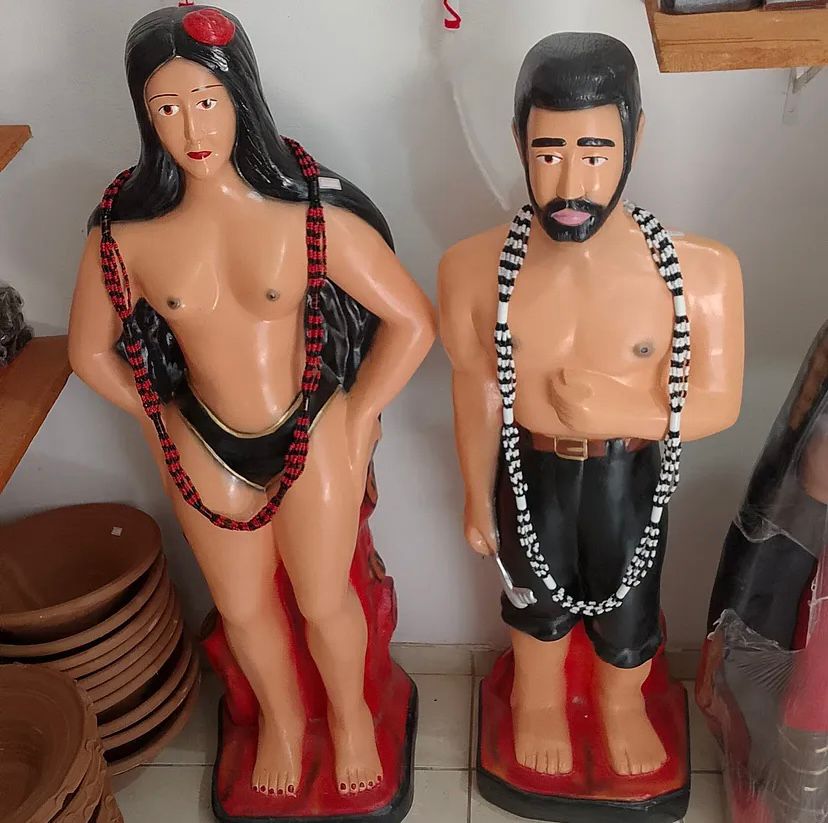
Pombagira also symbolizes independence and courage, challenging societal norms and expectations. She serves as a guide for those seeking liberation, clarity, and strength in difficult times, acting as an intermediary between the living and the spiritual world. In Kimbanda, feminine magic is not symbolic—it is practical, powerful, and direct.
Exu: Guardian of Daily Life
Exu is another central entity in Kimbanda. These spirits are ancient, existing long before colonizers arrived in Brazil, and some may have lived centuries ago. Despite their age, Exus deeply understand everyday struggles, such as family challenges, financial issues, and personal decisions. Their role is to balance paths, protect, and open opportunities, connecting ancestral wisdom with modern life.
Many Exus and Pombagiras had difficult lives. Some were enslaved Black people who endured colonial oppression; others were indigenous healers and herbalists; many were women ahead of their time, such as midwives, curandeiras, or community leaders. These life experiences shaped their spiritual energy, making them empathetic guides who understand human struggles.
Black Magic as Protection
Black magic in Kimbanda is not about causing harm; it’s a tool for defense and balance. Historically, marginalized people—enslaved Africans, indigenous peoples, and women on the edges of society—used black magic to protect their families, fight injustice, and survive oppression. In this sense, black magic became a practical way to reclaim power and resist societal constraints.
Kimbanda is considered an amoral tradition. Actions are not judged as right or wrong but by their effectiveness and intention. The line between black and white magic is flexible; what matters most is achieving harmony with spiritual forces. This approach allows the practice to adapt to each practitioner’s needs, whether for protection, justice, or problem-solving.
Examples of Black Magic in Practice
Exus and Pombagiras are known for performing a variety of magical workings that target both protection and influence in the material world. For example, they can conduct spells to remove rivals, whether in personal relationships or professional environments, helping the practitioner reclaim stability and reduce conflict. These rituals often involve offerings, chants, and the use of herbs or symbolic objects to focus spiritual energy toward the intended outcome.
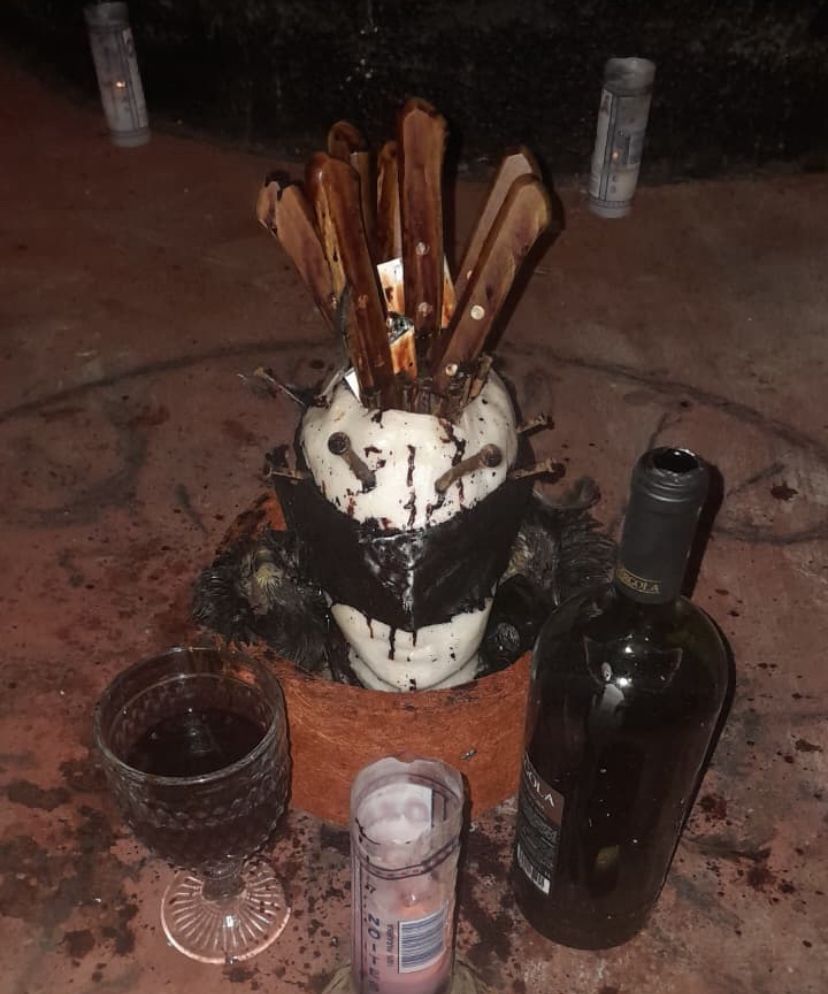
They are also called upon to open paths for new opportunities. This includes attracting clients or customers to increase financial flow, improving business prospects, and creating favorable conditions for success. By working with Exus and Pombagiras, practitioners can align unseen forces to facilitate growth, remove obstacles, and bring positive momentum to projects or ventures.
Boost Your Wealth with a Money Attraction Bath – Click here to Learn How!
Additionally, Exus and Pombagiras can perform rituals to “close the paths” of enemies or harmful influences. These protective spells neutralize threats and shield the practitioner from negative energy or malicious intentions. In all cases, the focus is on balancing forces, achieving justice, and ensuring that spiritual work produces practical outcomes in everyday life.
Even today, black magic in Kimbanda remains a form of cultural and spiritual resistance. It honors Exus and Pombagiras, who often endured injustice in life, while showing that spiritual power can overcome obstacles, open paths, and transform challenges into opportunities.
Historical Persecution
In U.S. the Salem witch trials in 1692 highlight how society can react with fear to magic. Over 200 people were accused of making pacts with the devil, and 20 were executed, most of them women. Similarly, in colonial Brazil, many were persecuted by the Inquisition for witchcraft, pacts with spirits, and heresy. Unlike these persecutions, Kimbanda treats magic as a tool for protection and spiritual balance, reflecting a cultural difference in how witchcraft is understood.
Women at the Center of Magic
Women have always played a central role in witchcraft, serving as keepers of magical knowledge and ritual practice. Their bodies are seen as sources of life force, linked to the uterus, capable of generating energy and transformation. This vital energy is essential for spells, charms, and healing rituals, giving women leadership in magical circles.
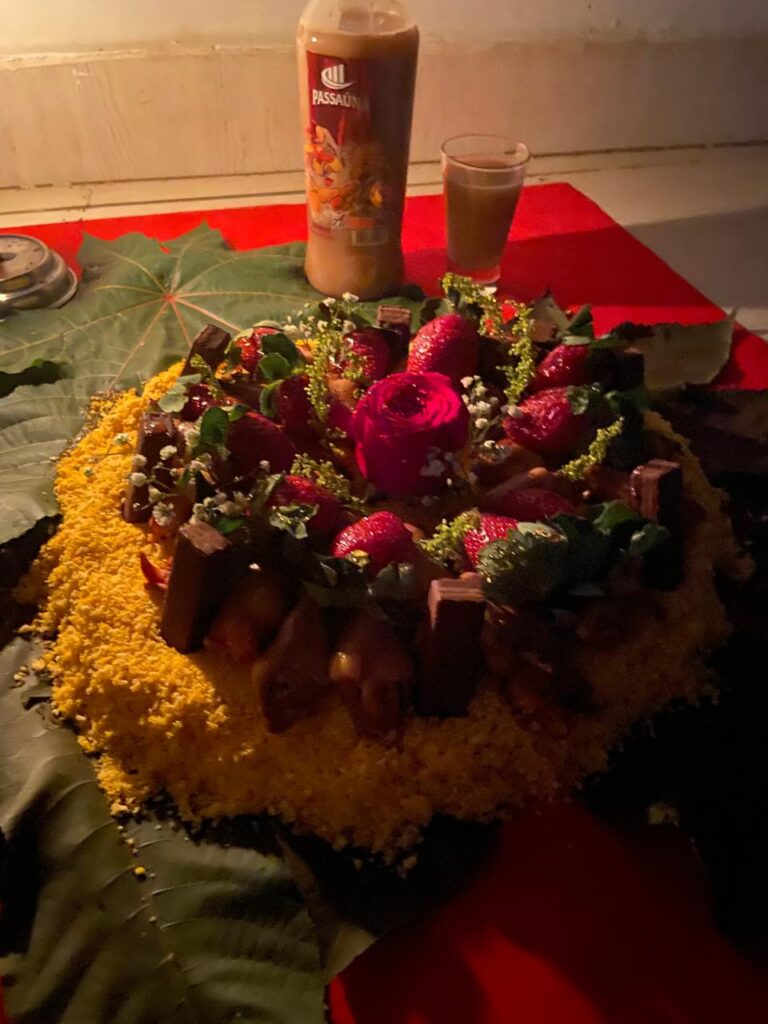
In Kimbanda, women often act as mediums or spiritual leaders, channeling communication with Exus and Pombagiras. Their energy helps balance spiritual forces in both protective and black magic. Women are not just participants—they are conduits of mystical knowledge, connecting creation, intuition, and spiritual power.
Want to learn how to prepare a love attraction and seduction bath? Click here!
Spirits in Brazil vs. the United States
In Brazil, people have a deep, respectful relationship with ancestral spirits. Exus and Pombagiras are seen as guides, protectors, and advisors. They are part of daily life, helping resolve conflicts and guide decisions. Communicating with ancestors is considered a source of wisdom and a way to maintain cultural traditions across generations.
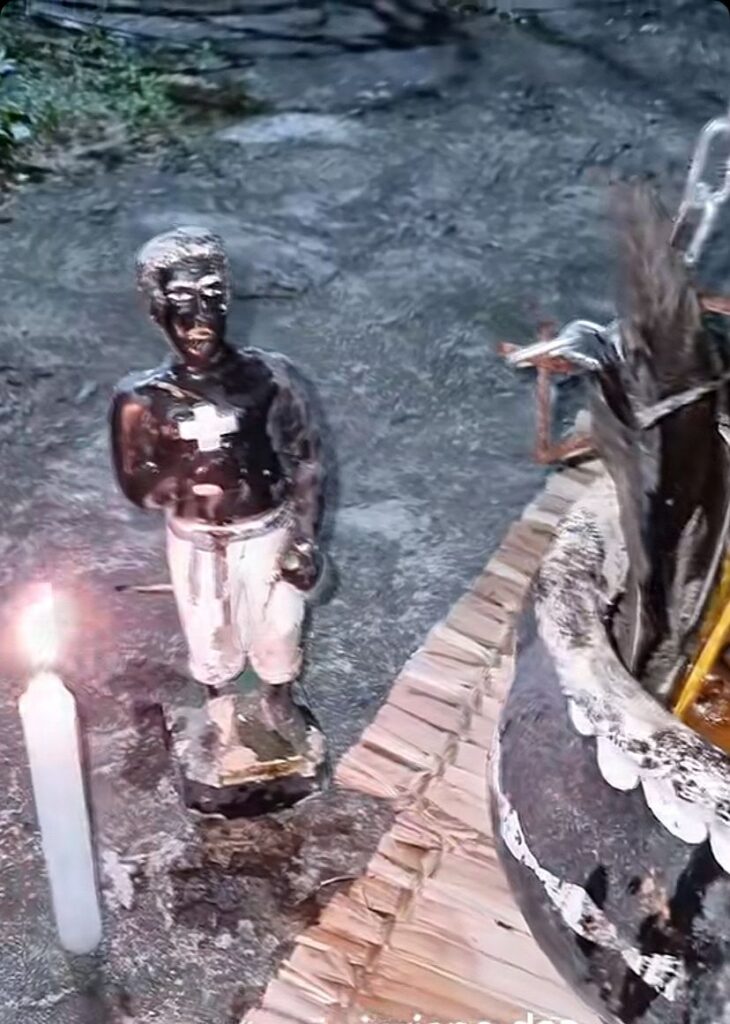
In the United States, spirits are often approached with fear or treated as entertainment. Movies, TV shows, and books popularized the idea of haunted ghosts, creating a perception that is sometimes childish or exaggerated. Spirits are often seen as objects of horror rather than practical guides, limiting understanding of their spiritual role.
This contrast highlights the richness of Brazilian spiritual culture. While spirits in the U.S. are often fictionalized, in Brazil they are respected and integrated into daily life. Kimbanda connects practitioners with their ancestors, showing that honoring spirits leads to self-awareness, balance, and spiritual strength.
Conclusion
Witchcraft spans cultures and centuries as a dynamic force. From archaeological discoveries to the Salem trials and the practice of Kimbanda, magic reflects societal values, fears, and spiritual structures. Kimbanda demonstrates how black magic can coexist with ethical practice, balancing spiritual and social forces.
The central role of women, the power of Pombagira and Exu, and their difficult life experiences highlight the importance of feminine life force and ancestral connections. Witchcraft in Kimbanda is not just a spiritual practice; it is a form of power, resilience, and creativity throughout history. Studying it offers insight into both the unseen world and the diverse cultural ways humans engage with it.
Deixe um comentário