
What Is Kimbanda?
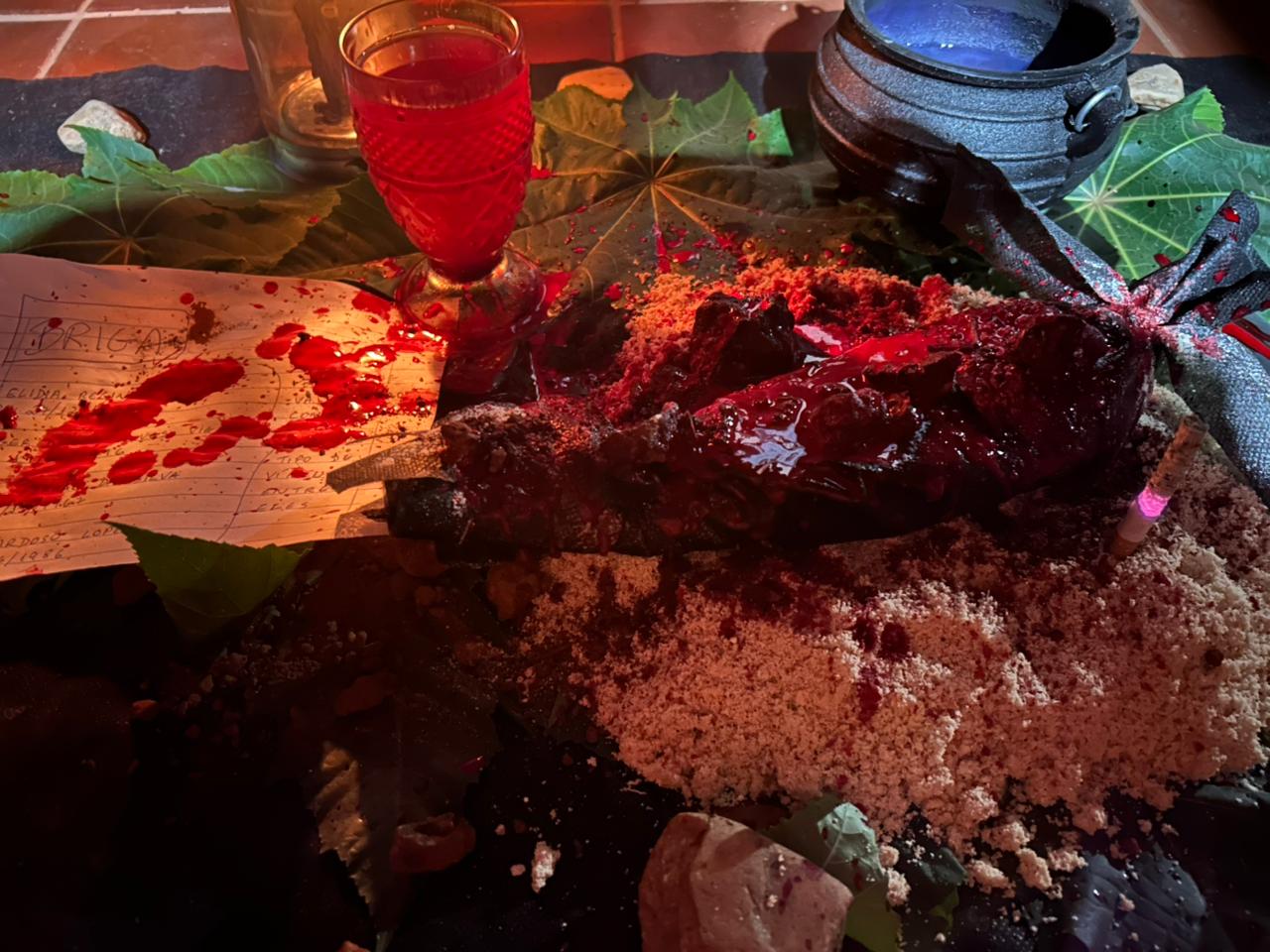
Kimbanda is an Afro-Brazilian spiritual tradition that focuses on working with ancestral spirits, particularly Exus and Pombagiras. Unlike many modern spiritual movements, Kimbanda does not divide reality into absolute concepts of good and evil. Instead, it teaches that life is complex and that spiritual work should be evaluated according to the circumstances of each situation. Within this tradition, practitioners seek guidance, protection, prosperity, justice, and personal transformation through ritual practices that have been preserved for generations. One subject that frequently attracts curiosity is destruction spells, which are often misunderstood by people who are unfamiliar with Kimbanda.
Want to Understand Who Exu and Pombagira Are? Click Here.
What Are Destruction Spells?
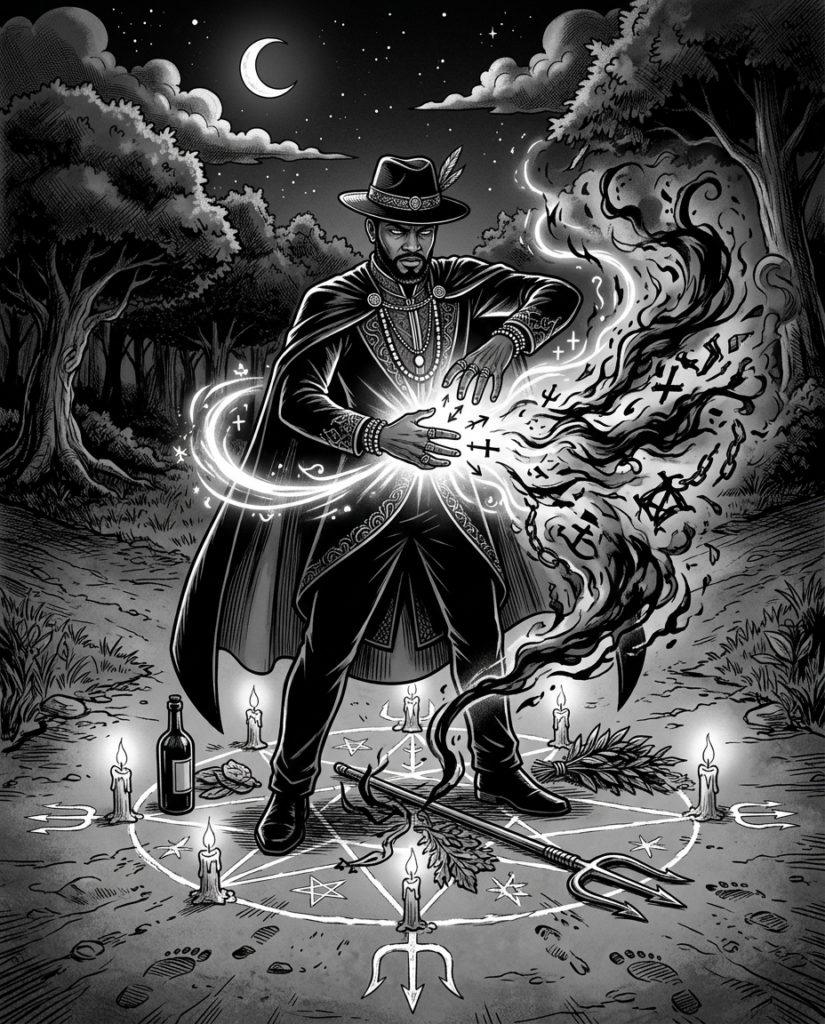
Destruction spells are rituals intended to break, dismantle, weaken, or remove a specific obstacle or harmful influence. Contrary to popular myths, they are not necessarily designed to physically harm another person. In many cases, practitioners perform destruction work to eliminate spiritual blockages, destroy negative influences, interrupt persistent conflicts, or break unhealthy situations that seem impossible to resolve through ordinary means.
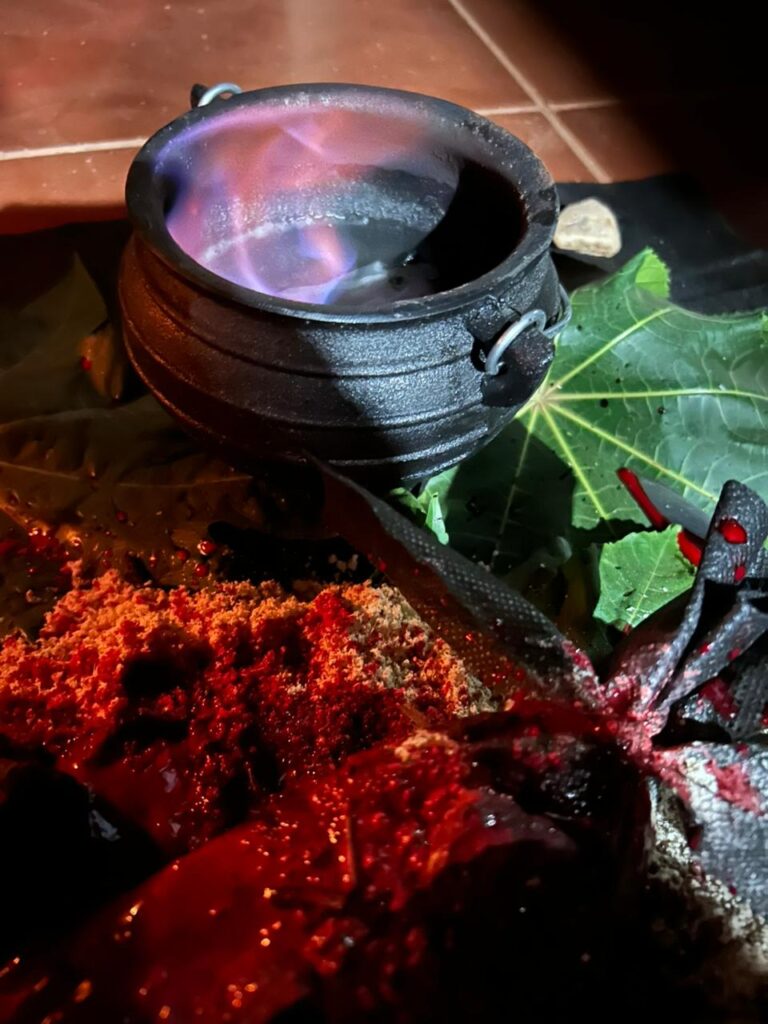
As a result, the purpose of destruction spells depends entirely on the intention behind the ritual. Some practitioners believe these ceremonies should only be used after careful reflection, while others consider them a legitimate spiritual tool whenever they are judged to be necessary.
Learn How to Prepare a Seduction Bath – Click Here.
Does Karma Exist?
One of the biggest philosophical differences between Kimbanda and many modern spiritual movements concerns the idea of karma. In religions such as Hinduism and Buddhism, karma is generally described as a universal law in which every action eventually returns to the person who performed it.
However, Kimbanda practitioners reject this concept entirely. From this perspective, karma is not viewed as an objective spiritual law. Instead, it is often considered a belief system that encourages people to fear invisible punishment for their actions.
According to this interpretation, the widespread teaching of karma has become a mechanism of spiritual control. Rather than empowering individuals to make conscious decisions, it encourages obedience through fear of future consequences. Many kimbandeiros believe that every person should assume responsibility for personal choices without relying on the expectation of automatic cosmic punishment or reward. Therefore, they see individual accountability—not karma—as the true foundation of spiritual responsibility.
Discover Kimbanda’s Perspective on Karma – Click Here.
When Are Destruction Spells Considered Appropriate?
Every practitioner develops personal ethical standards. For that reason, there is no universal rule in Kimbanda determining exactly when destruction spells should or should not be performed.
Instead, each kimbandeiro establishes personal limits according to religious experience, spiritual guidance, and individual conscience. One practitioner may refuse certain rituals that another considers acceptable. Likewise, two experienced practitioners may reach completely different conclusions about the same situation.
Because of this diversity, the moral standard of the kimbandeiro is personal rather than universal. Consequently, every ritual decision reflects the practitioner’s own ethical judgment instead of a fixed religious code that applies equally to everyone.
Traditional Ingredients Used in Destruction Spells
People are often curious about the ritual materials traditionally associated with destruction spells. Although every lineage follows its own customs, several symbolic elements appear repeatedly in historical descriptions of Kimbanda rituals.

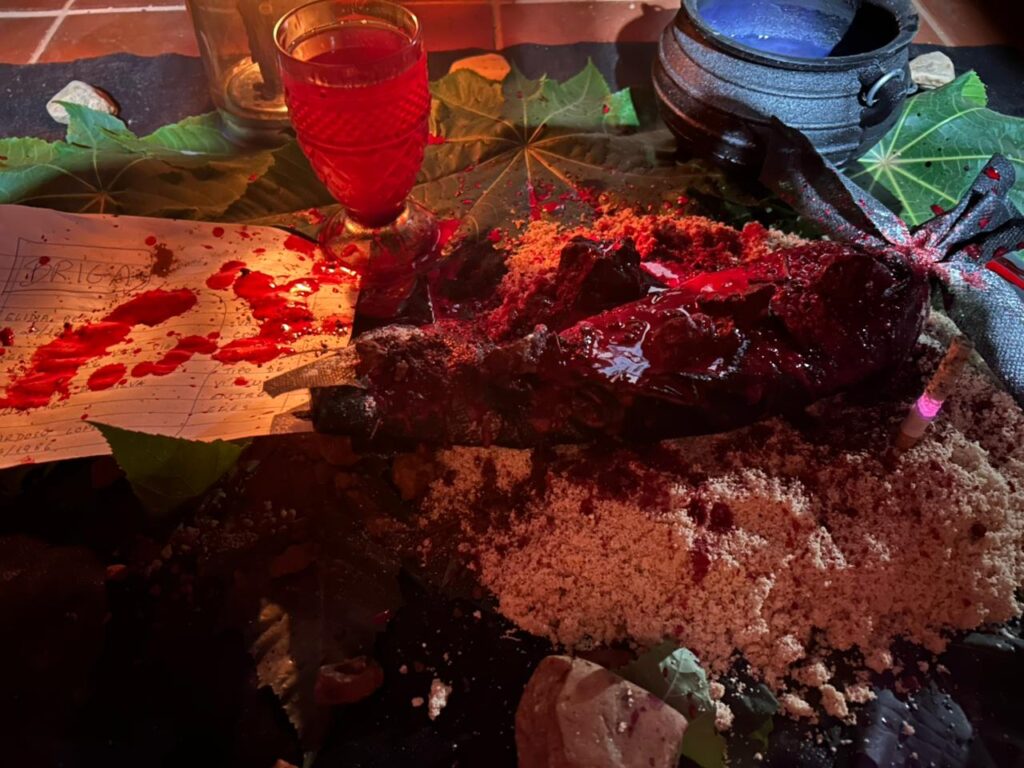
Among the most common ingredients are various ritual powders, including powders prepared specifically for symbolic destruction. Sulfur is another frequently mentioned material because it represents intense transformation and purification through fire.
Practitioners may also use anthill soil, which symbolizes relentless activity and gradual dismantling through persistence. Likewise, termite mound soil represents slow internal erosion, illustrating how even strong structures can eventually collapse from within.

Different candle colors are commonly selected according to the purpose of the ritual. Rusted nails symbolize deterioration, fixation, and irreversible change. In addition, pieces of glass collected from automobile accident sites have traditionally represented broken paths, sudden interruptions, and dramatic transformations.
Other ritual components may include charcoal, ashes, cemetery soil, iron objects, herbs, alcoholic beverages, cigars, ropes, chains, and natural minerals. However, the exact combination depends on the practitioner’s lineage, spiritual guidance, and ritual objective.
Why Symbolism Matters More Than the Ingredients
Many outsiders believe the physical ingredients themselves possess supernatural power. However, practitioners generally explain the subject differently.
The materials used in destruction spells function primarily as symbols. They express intention, communicate spiritual meaning, and help focus the ritual. Therefore, sulfur, earth, rusted iron, powders, and other objects derive their importance from their symbolic role within the ceremony rather than from any independent magical property.
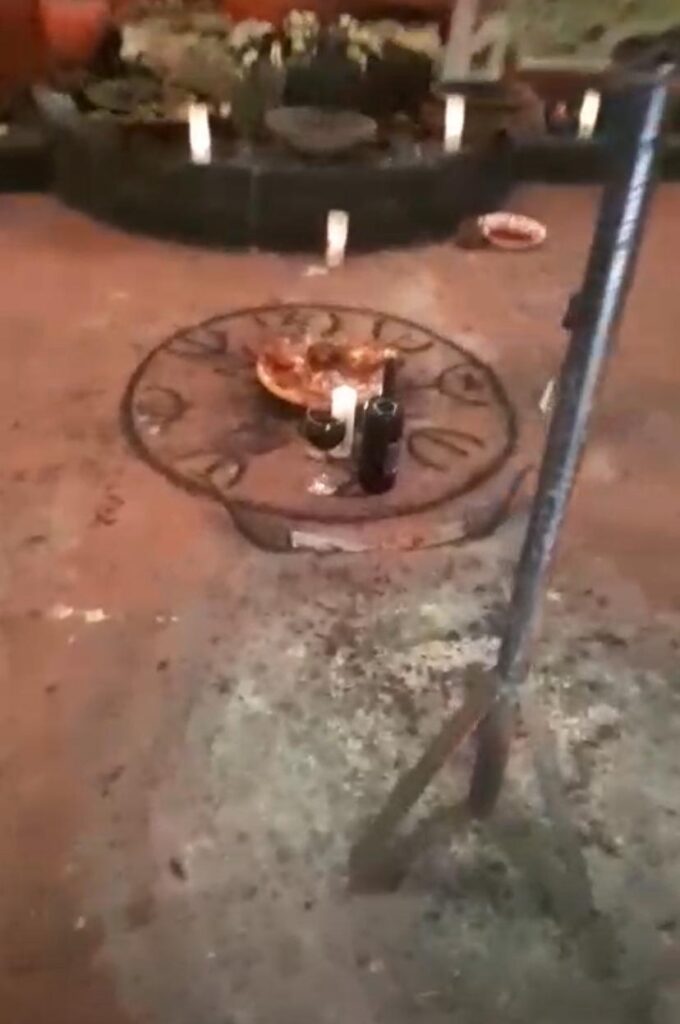
Without the ritual structure, these objects remain ordinary physical materials. Consequently, their significance depends on the religious context in which they are used.
Common Misconceptions About Destruction Spells
Movies, television programs, and social media often portray destruction spells as instant acts of revenge that automatically produce dramatic consequences. Nevertheless, these portrayals rarely reflect the beliefs of experienced practitioners.
In reality, many kimbandeiros emphasize preparation, spiritual consultation, discipline, and careful evaluation before performing important rituals. Furthermore, destruction work is not always directed toward another individual.
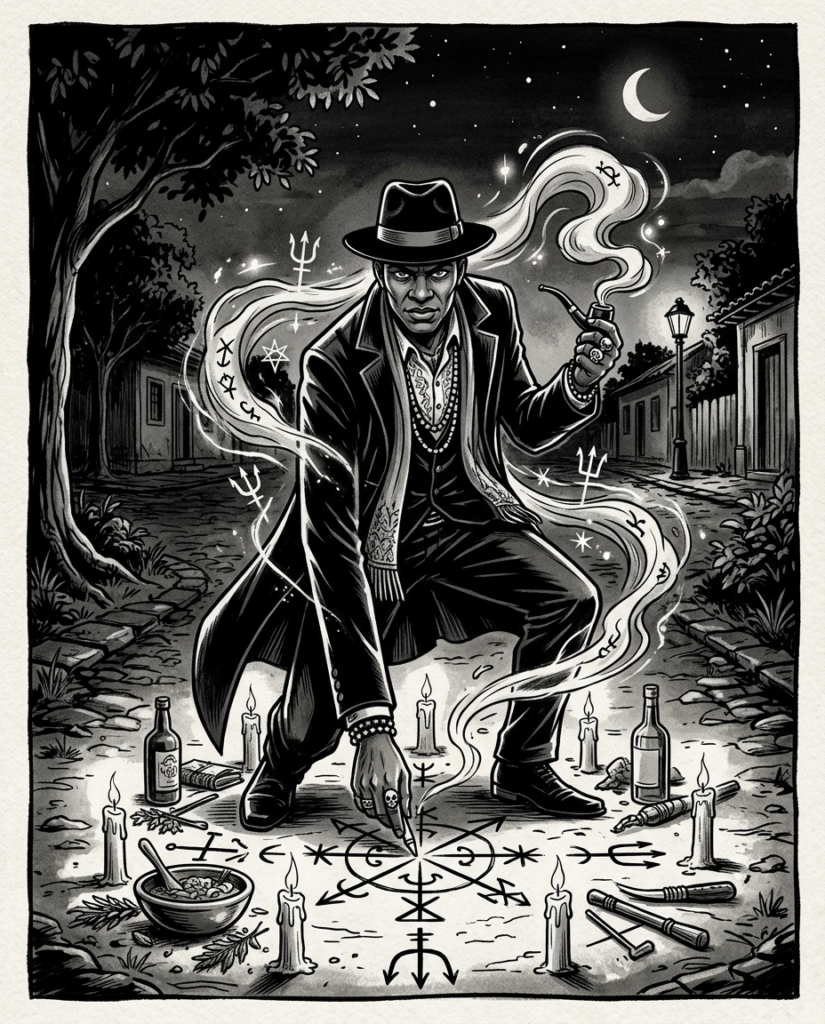
Instead, the objective may be to destroy fear, remove spiritual obstacles, eliminate harmful influences, interrupt repeated failures, or dismantle destructive circumstances. Therefore, the meaning of the ritual depends largely on the intention of the practitioner.
Kimbanda Is Not a Single Uniform Tradition
It is important to understand that Kimbanda has no central authority capable of establishing one official doctrine for every practitioner.
Different temples, teachers, and lineages preserve different ritual traditions. As a result, opinions about destruction spells, ethics, ritual materials, and spiritual responsibility vary considerably throughout the religion.
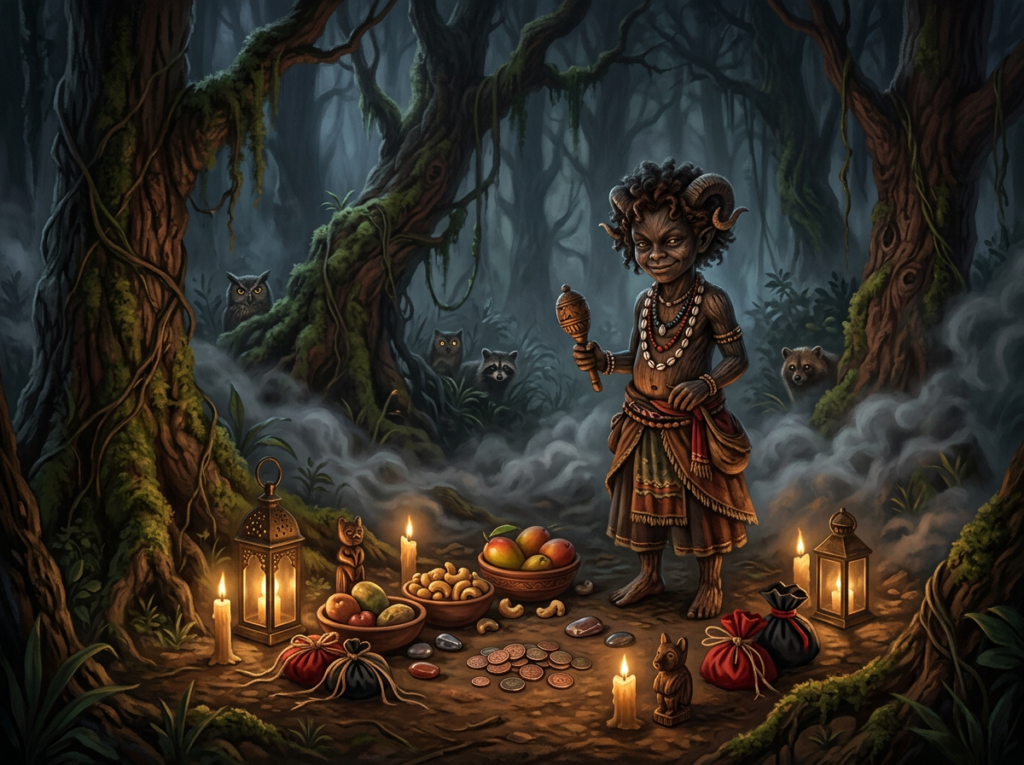
Some practitioners adopt a conservative approach and reserve destruction rituals for exceptional situations. Others consider them ordinary spiritual tools when used responsibly and according to personal ethical principles.
Final Thoughts
Destruction spells remain one of the most misunderstood aspects of Kimbanda. Much of this misunderstanding comes from popular culture rather than from the religion itself.
Within Kimbanda, these rituals are generally understood as symbolic spiritual operations intended to dismantle obstacles, harmful situations, or unwanted influences. Moreover, many practitioners reject the concept of karma and instead emphasize personal responsibility and conscious decision-making.
Whether someone agrees with these beliefs or not, understanding destruction spells within their cultural and religious context offers a more balanced perspective. Rather than relying on stereotypes, readers can better appreciate the diversity and complexity of Kimbanda as an Afro-Brazilian spiritual tradition.
Frequently Asked Questions
Are destruction spells always intended to harm someone?
No. Many practitioners use destruction spells to symbolically eliminate obstacles, harmful influences, unhealthy relationships, or persistent spiritual blockages rather than to target a specific individual.

Do all Kimbanda practitioners reject karma?
No. While many practitioners reject the concept of karma and view it as incompatible with their religious worldview, beliefs can differ between lineages and individual practitioners.
Are the ritual ingredients believed to have magical powers by themselves?
Generally, practitioners explain that the ingredients are symbolic tools. Their importance comes from their role within the ritual rather than from any inherent supernatural property.
Can destruction spells be performed without spiritual training?
Traditional practitioners generally believe that important rituals should be performed only by individuals with proper religious knowledge, experience, and guidance.
Looking to remove obstacles, unlock new opportunities, boost your career, or grow your business? Request a personalized spell today. Contact me through my contact form or send me a message on Instagram by clicking here.
Deixe um comentário