Understanding Lottery Luck Beyond Probability
Lottery luck has always been surrounded by mystery, cultural beliefs, and interpretations that go far beyond mathematical logic. Although lottery results are officially determined by probability and randomness, there is a strong symbolic and cultural layer that connects unexpected winnings to invisible forces, rituals, and spiritual practices often described as magic or luck spells.

In this article, I explore this universe from an informative perspective while also sharing my personal viewpoint: I believe that lottery luck is not only a matter of chance, but something that can be influenced—or at least attracted—through intention, energy, and spiritual alignment.
The Mathematical Reality of Lotteries
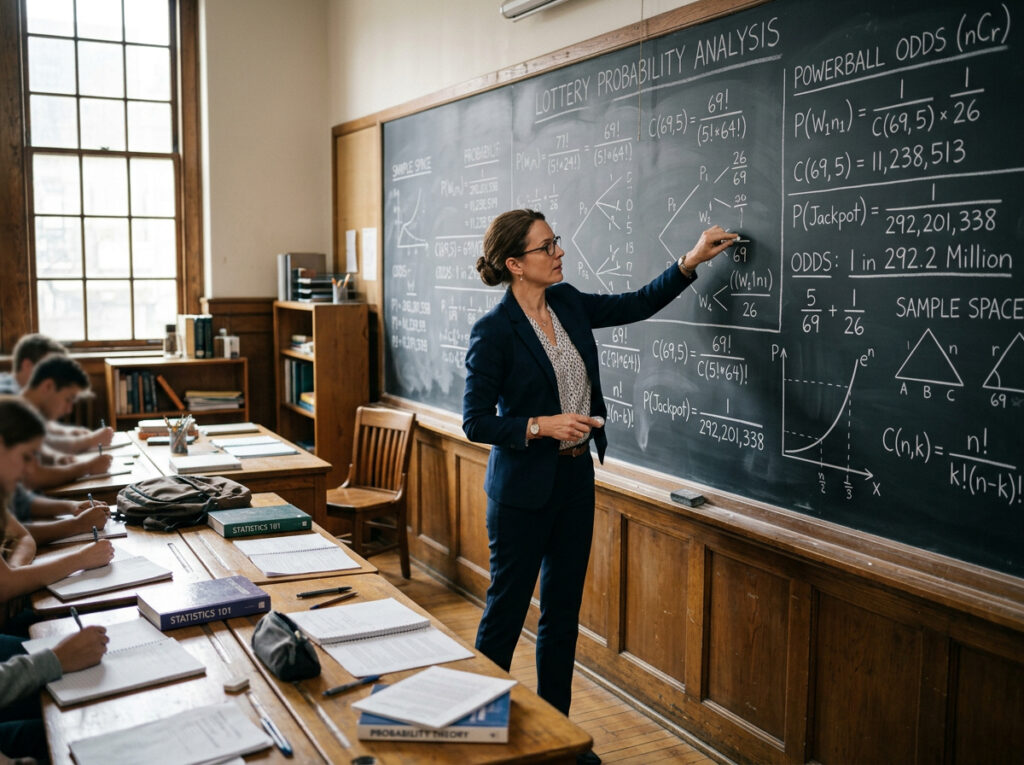
From a rational standpoint, lotteries are games defined by extremely low probabilities. In major U.S. lotteries such as Powerball and Mega Millions, the odds of winning the jackpot are extremely small, making success statistically rare. Mathematicians and statisticians emphasize that every number has the same probability of being drawn, regardless of external influence.
However, human perception is not limited to mathematics. People naturally search for meaning, patterns, and signs, especially when money and life-changing opportunities are involved. This is where belief systems, rituals, and spiritual interpretations begin to play an important role.
Rituals, Symbols, and Luck Practices
Across cultures, people have developed countless rituals to influence luck. In the United States, many lottery players reportedly choose numbers based on birthdays, significant dates, or personal meanings. Others rely on symbolic objects or routines performed before purchasing tickets.
One common practice involves candle rituals. People light white or golden candles while focusing on financial requests or personal transformation. Fire is often interpreted as a symbolic bridge between intention and spiritual forces. In a similar way, some individuals write lottery numbers on paper and place them under a glass of water overnight, associating this act with mental focus and energy alignment.
Herbs and cleansing rituals are also widely used. Baths with rosemary, rue, or salt are believed by some to remove negative energy and open paths for prosperity. Bay leaves placed in wallets or pockets are another popular symbol of financial attraction. Likewise, objects such as horseshoes, four-leaf clovers, and protective charms are traditionally associated with luck in different cultures.

Religious practices also play a role in this belief system. Many people make prayers or promises to saints associated with protection and prosperity, such as Saint Expedite or Saint Cyprian. These rituals are often accompanied by fasting or gratitude promises in case of financial success.
Learn how to prepare an herbal bath here.
Afro-Brazilian Spiritual Beliefs and Luck
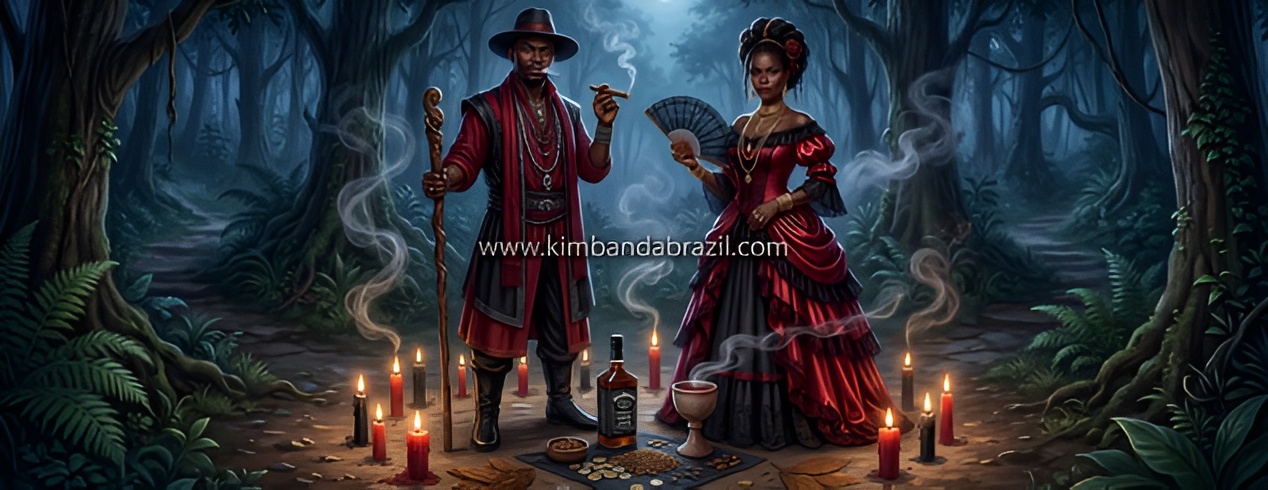
In addition to these practices, Afro-Brazilian spiritual traditions offer a deeper interpretation of luck and life changes. Within Kimbanda and related belief systems, spiritual entities such as Exu and Pombagira are understood as powerful forces responsible for opening and closing life paths.
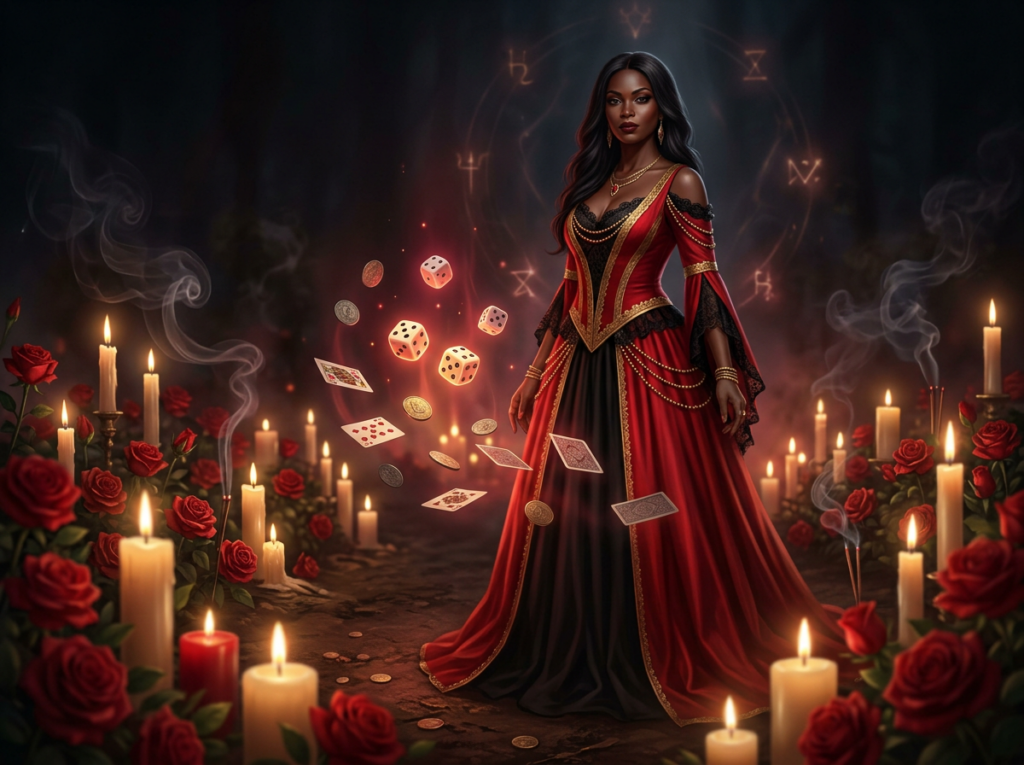
From this perspective, these entities are believed to influence opportunities, remove obstacles, and facilitate sudden changes in life circumstances. Offerings, candles, and rituals are used as symbolic communication with these forces, aiming to create balance and attract positive flow in life.
In my personal interpretation, I associate this spiritual current with the figure of Maria Padilha, who is widely known in popular tradition as a powerful Pombagira connected to transformation, desire, and changes in destiny. From my point of view, this presence represents a symbolic force linked to turning points in life, including moments where unexpected financial opportunities appear.
Learn about the Exus and Pombagiras in Brazilian Kimbanda by clicking here.
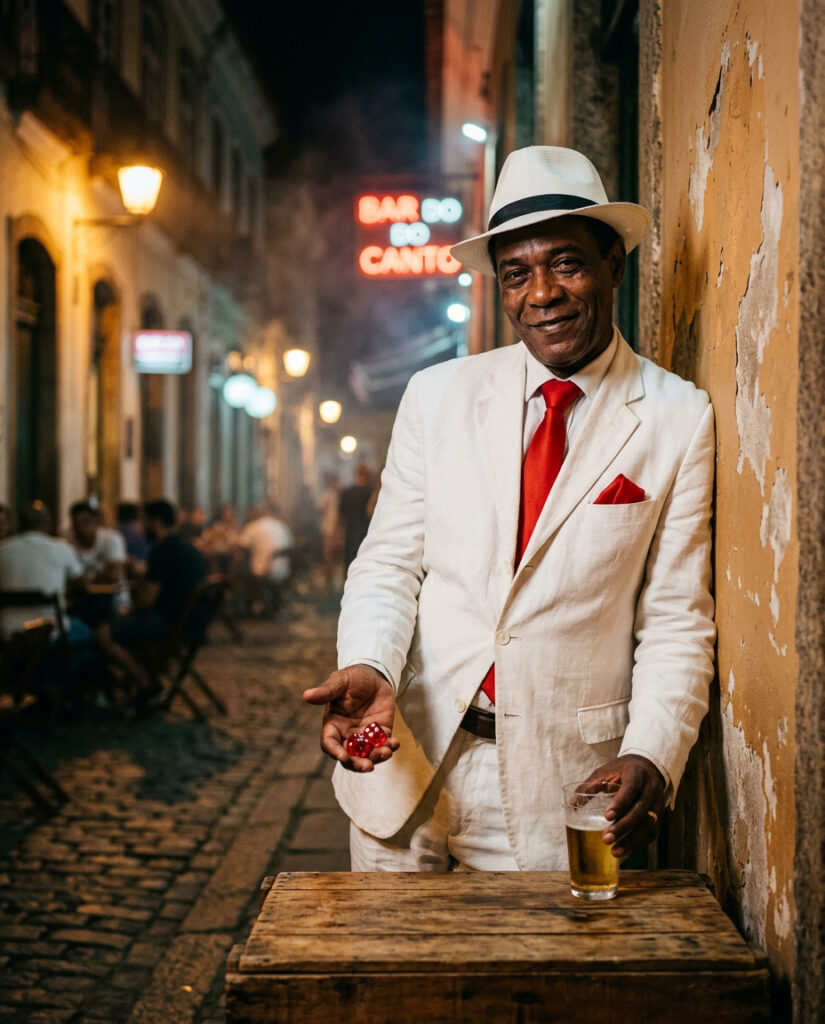
Rather than treating this as a purely literal mechanism, I see it as part of a broader spiritual and psychological framework in which belief, intention, and symbolism shape human experience and perception of luck.
Extraordinary Lottery Stories and Spiritual Luck
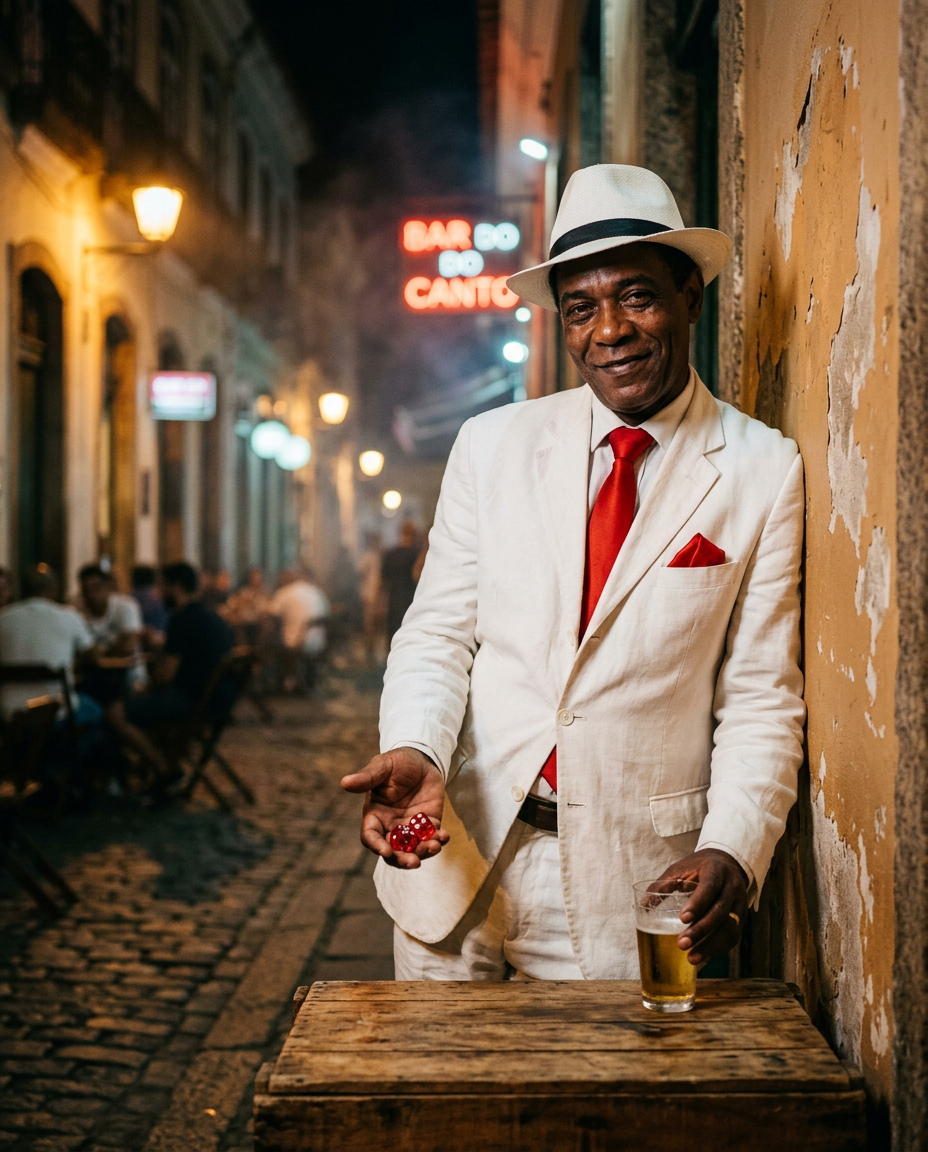
There are also extraordinary stories that circulate in popular culture, reinforcing the idea that luck can be influenced by forces beyond chance. One well-known account from Brazil describes a priest in Rio de Janeiro who allegedly received winning lottery numbers through communication with an ancestral spirit connected to his family line.
According to the story, after winning the prize, he performed a ritual cleansing and used the money to build a small village of houses for his relatives. While such accounts cannot be verified scientifically, they remain powerful within cultural storytelling and reinforce the symbolic link between spirituality and financial transformation.
Lucky Numbers and Personal Meaning
Another important aspect of lottery belief systems is the use of lucky numbers. Many people choose numbers based on dreams, birthdays, family events, or emotionally significant moments. Others rely on numerology, believing that numbers carry vibrational meanings that influence outcomes.
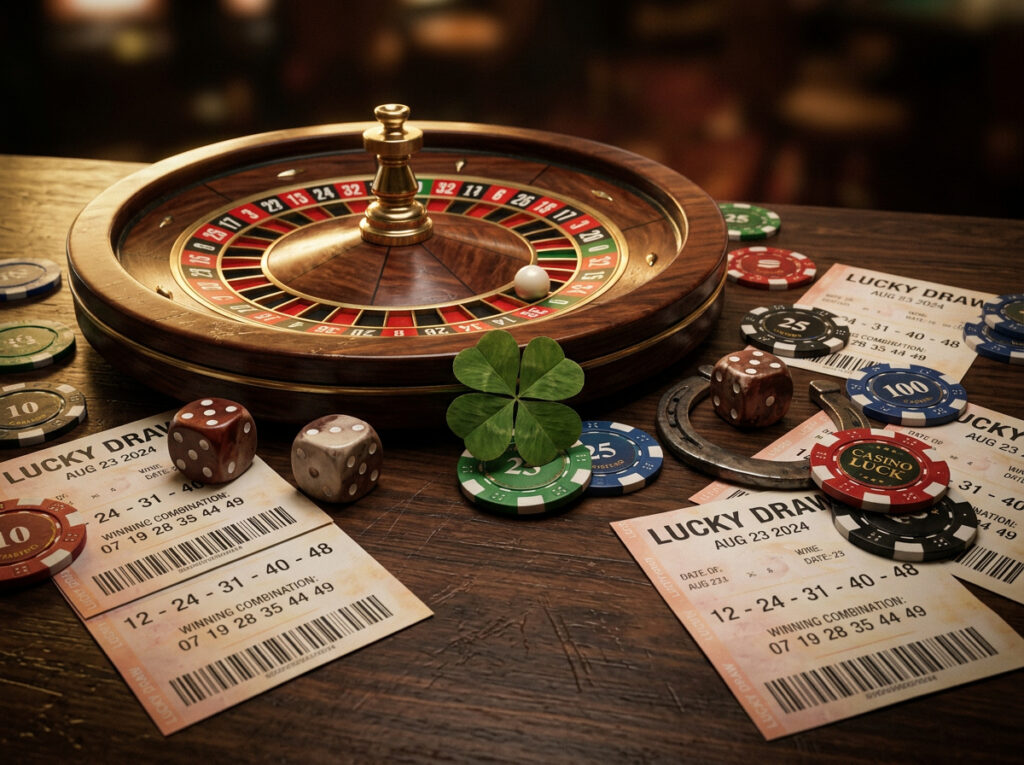
The number seven, for example, is widely considered lucky in many cultures. On the other hand, some numbers are avoided due to personal or cultural associations. Each selection therefore becomes more than a random choice—it becomes a reflection of personal history and belief.
Personal Perspective on Lottery Luck and Energy
From my personal perspective, these practices are not simply superstition, but a meaningful way of connecting intention, consciousness, and reality. I believe that luck is not entirely random as commonly assumed. Instead, there may be a subtle energetic dimension that responds to human focus, belief, and emotional alignment.
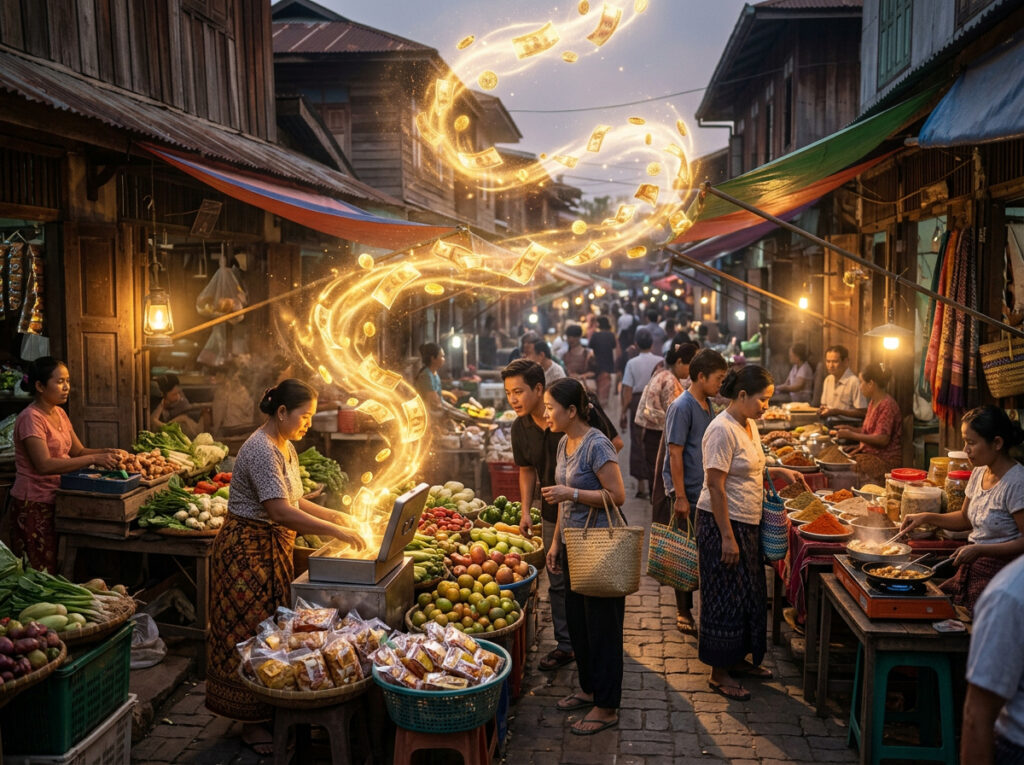
When someone performs a ritual, prays, or selects meaningful numbers, they are not only hoping for luck—they are directing attention and intention toward a specific outcome. This mental state can influence behavior, decision-making, and emotional readiness, which ultimately shapes how the person experiences chance events.
Although science often dismisses these ideas due to lack of measurable evidence, not everything in human experience can be quantified. Emotions, intuition, and perception play a major role in decision-making and life outcomes, even if they cannot be fully explained through mathematics.
Psychological Impact of Rituals
Even from a psychological perspective, rituals can have a powerful effect. They reduce anxiety, increase focus, and create a sense of control in uncertain situations. This means that even if rituals do not directly influence lottery outcomes, they influence the individual’s mindset and behavior.

In this sense, magic may not act on the lottery numbers themselves, but rather on the person engaging with the process, shaping their confidence, hope, and emotional state.
Conclusion: Luck as a Blend of Chance, Belief, and Meaning
In conclusion, lottery luck can be understood as a complex intersection of probability, culture, psychology, and spirituality. While mathematics defines the structure of the game, human belief systems add layers of meaning that influence how people interact with chance.

Whether through rituals, symbols, spiritual entities, or personal beliefs, many individuals experience luck not as pure randomness, but as something that can be influenced or aligned with intention.
Ultimately, whether one believes in these forces or not, they remain deeply present in human culture across the world—from Powerball and Mega Millions in the United States to spiritual traditions in Brazil. This suggests that luck is not perceived solely as chance, but as something that can be shaped through meaning, belief, and personal connection to the unknown.
Need a bath for attraction and seduction? Click here to learn how.
Deixe um comentário