
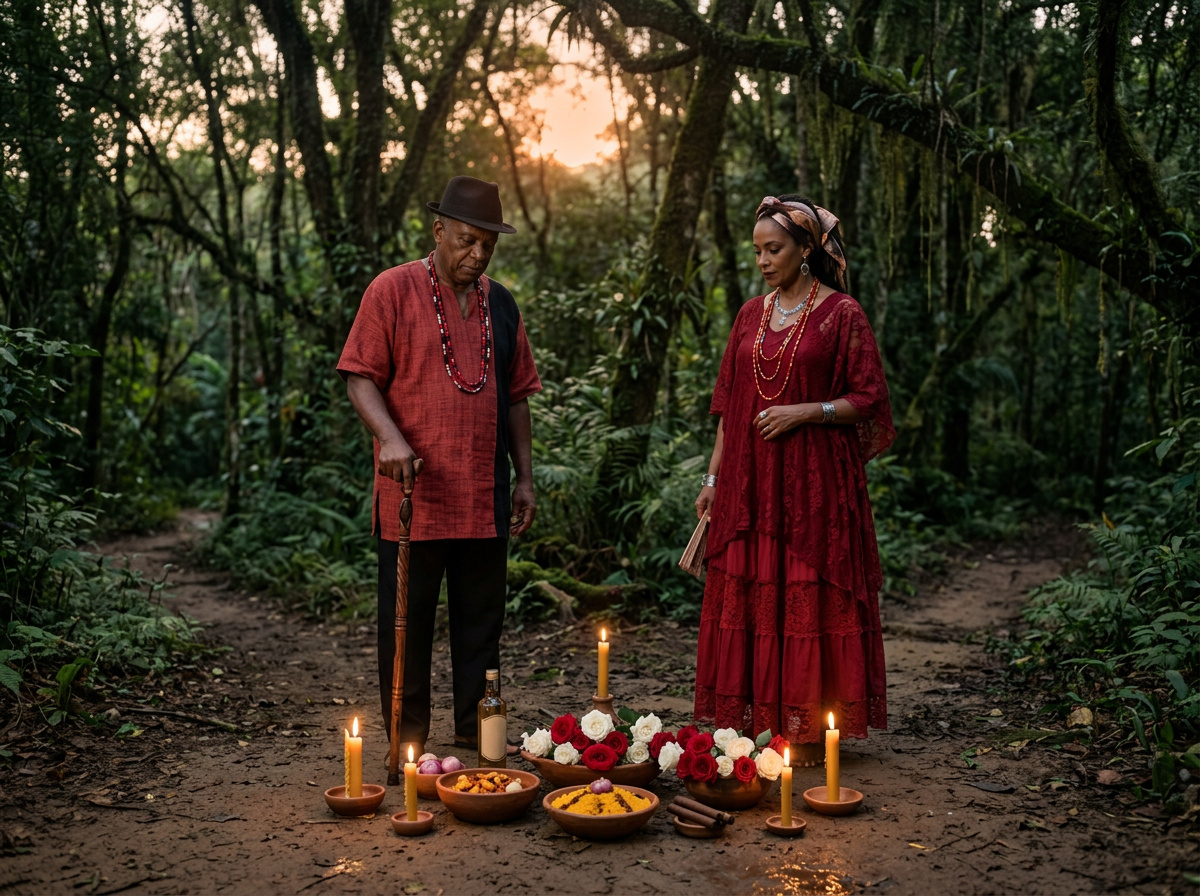
Padê is a ritual offering central to Kimbanda, an Afro-Brazilian religion rooted in Yoruba spirituality. It is closely associated with spiritual entities such as Exú and Pombagira, serving as a vital tool for communication between the physical and spiritual worlds. In practice, padê is not just a material offering—it represents intention, respect, and energetic alignment.
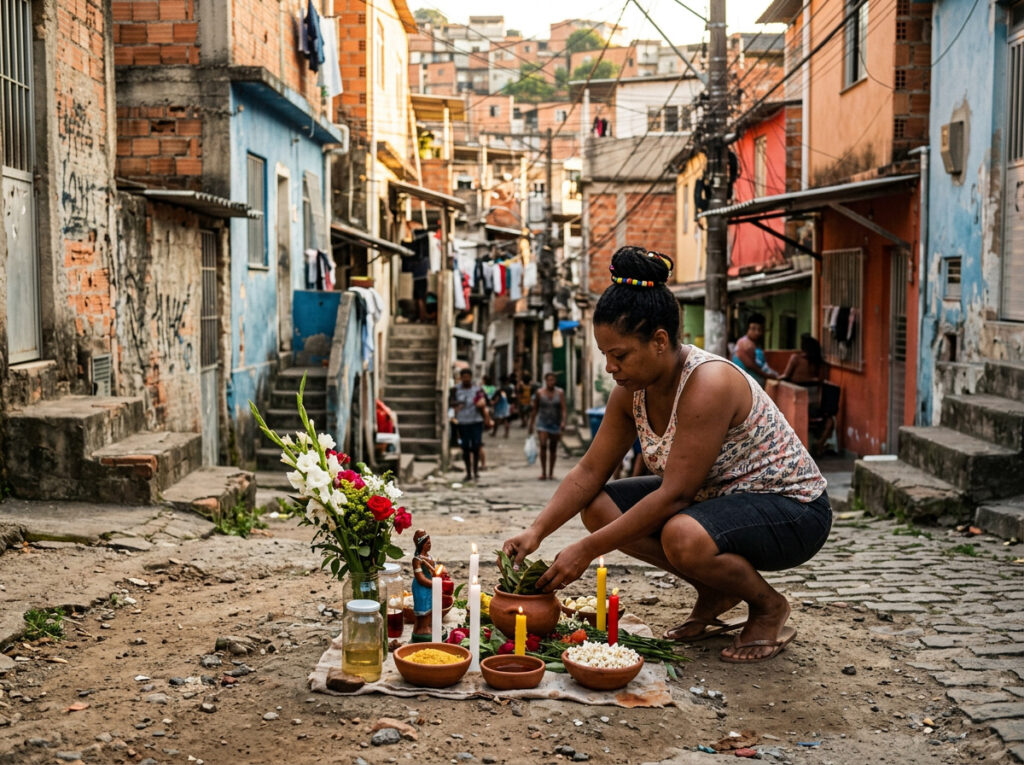
Historically, padê originated from African traditions brought to Brazil through the diaspora. Over time, it evolved into a structured ritual used in Quimbanda offerings, with each ingredient carefully chosen to convey specific spiritual meanings. Whether used to open paths, remove obstacles, or harmonize energy, padê remains a cornerstone of spiritual rituals in Afro-Brazilian religions.
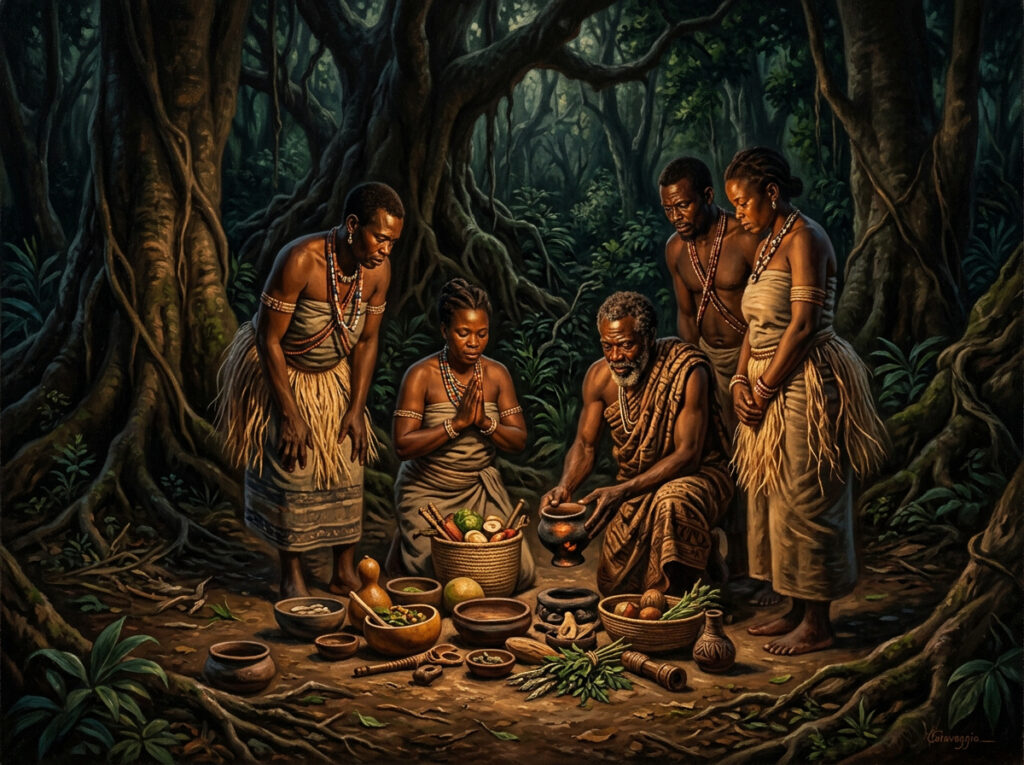
Understanding the Role of Padê in Afro-Brazilian Religions
In Afro-Brazilian religions, padê is essential for both Umbanda and Kimbanda, though its purpose differs between traditions. In Umbanda, padê is often part of a syncretic system combining African spirituality, Catholic influences, and brazilian native influences. Here, it is used primarily as an opening ritual, stabilizing spiritual environments and inviting harmonious energies.
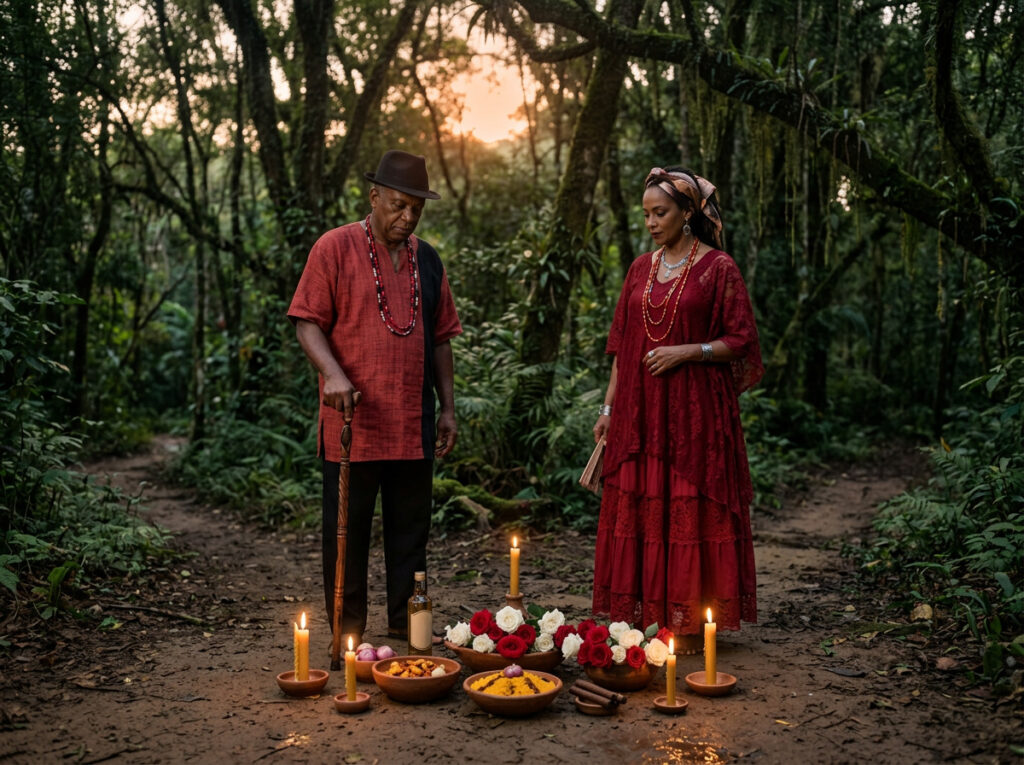
In Kimbanda, however, padê takes on a more active role. It is a dynamic offering used to connect directly with Exu and Pombagira, activate spiritual forces, and perform targeted energetic work. Rather than being a simple formality, padê functions as a potent spiritual tool that amplifies intentions, strengthens offerings, and ensures that Kimbanda rituals are effective.
By understanding the spiritual significance of padê, practitioners ensure that their offerings align with the energies of the entities involved, making each ritual more precise and impactful.
Types of Padê in Kimbanda: Hot, Cold, Sweet, and Salty Offerings
Padê can be categorized based on its spiritual purpose. In Kimbanda, these categories are essential for directing energy effectively:
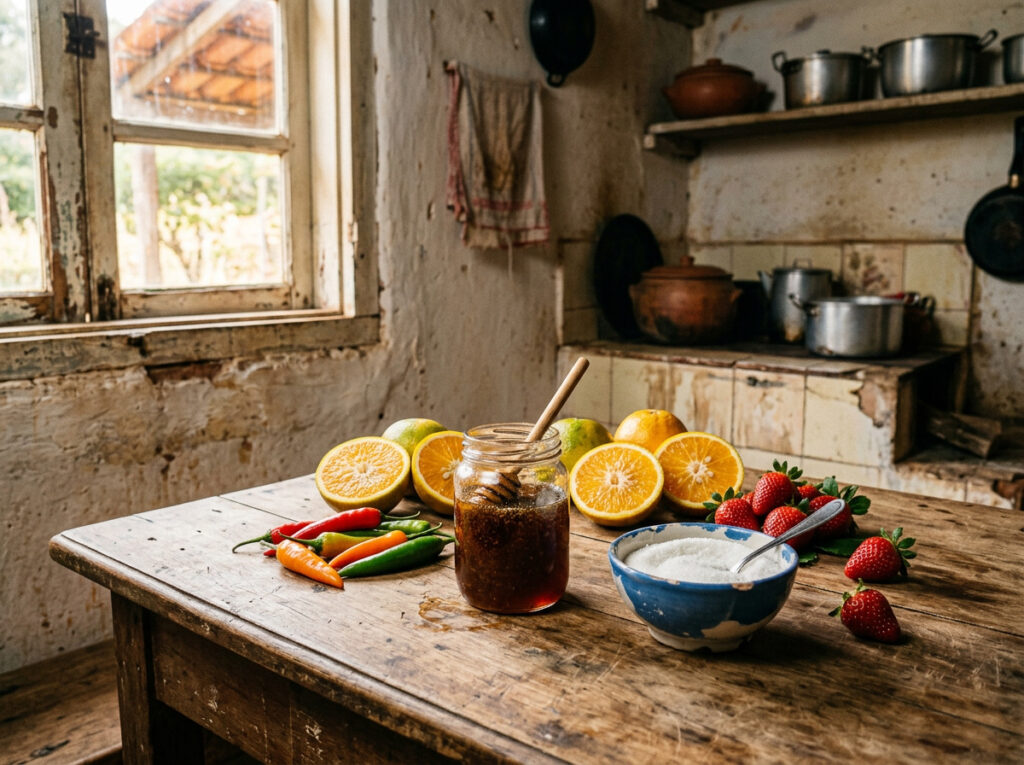
- Hot Padê: Symbolizes action, transformation, and movement. It is used in rituals that involve opening paths, breaking energetic blocks, and accelerating results in spiritual work.
- Cold Padê: Represents harmony, peace, and energetic stabilization. It is used to calm situations, resolve conflicts, or purify spaces and energies.
- Sweet Padê: Composed of honey, sugar, ripe fruits, and flowers. Sweet padês attract harmony, love, and reconciliation.
- Salty Padê: Includes manioc flour, palm oil (dendê), cachaça, onions, and peppers. Salty padês are often used in protection, spiritual cutting, and direct interventions in challenging situations.
Each type of padê corresponds to specific spiritual goals and is carefully chosen according to the Exu or Pombagira being honored. Correct preparation ensures that Exu rituals and Pombagira offerings align with the intended spiritual outcome.
Key Ingredients in Padê and Their Spiritual Significance
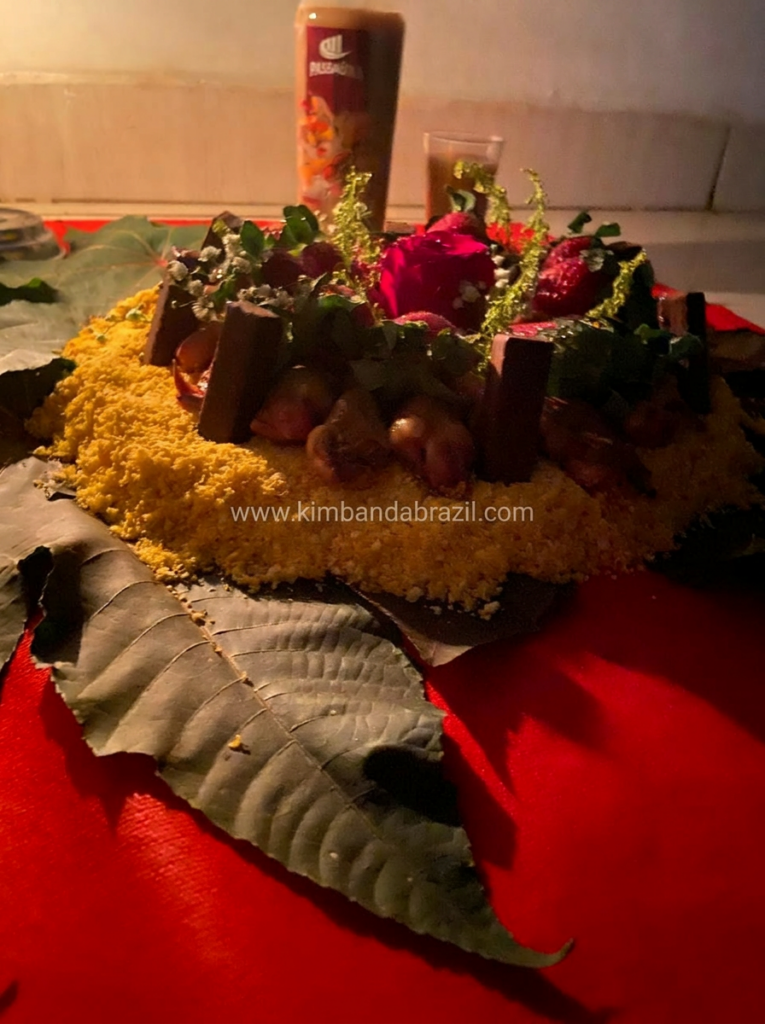
The ingredients in padê are not chosen at random. Each element holds deep symbolic meaning and contributes to the overall energy of the offering:
- Palm Oil (Dendê): Acts as a spiritual conductor, amplifying energy and maintaining alignment with the entity. It is a vital ingredient in both hot and salty padês.
- Peppers: Represent protection, spiritual cutting, and energetic activation. Peppers energize padês, enhancing their potency and ensuring the offering’s effectiveness.
- Flours (Manioc, Corn, or Cassava): Provide a physical base for padês and symbolize grounding and connection to the earth.
- Fruits and Flowers: Represent abundance, spiritual growth, and attraction. Popular choices include bananas, coconuts, grapes, and roses.
- Liquids (Cachaça, Wine, Honey, Oils): Serve as energetic carriers, transmitting intentions to the spiritual realm.
- Animal Elements: Occasionally included in traditional Kimbanda rituals, symbolizing ancestral energy, life force, and spiritual exchange.
The combination of these ingredients ensures that padê functions as a complete spiritual tool, capable of aligning energies, communicating intentions, and supporting Kimbanda offerings with precision.
The Importance of Clay Bowls and Natural Supports in Padê Rituals
Padê is traditionally presented in a clay bowl, known as an alguidar, which carries symbolic significance. Clay represents the earth, grounding, and ancestral connection. Using clay bowls in rituals ensures that the offering is energetically stable and spiritually effective.
When clay bowls are unavailable, natural alternatives such as banana leaves or castor leaves can be used. Banana leaves are flexible, durable, and naturally sacred, providing a strong foundation for padê ingredients. Castor leaves are another alternative, representing adaptability and connection to the living energy of nature.
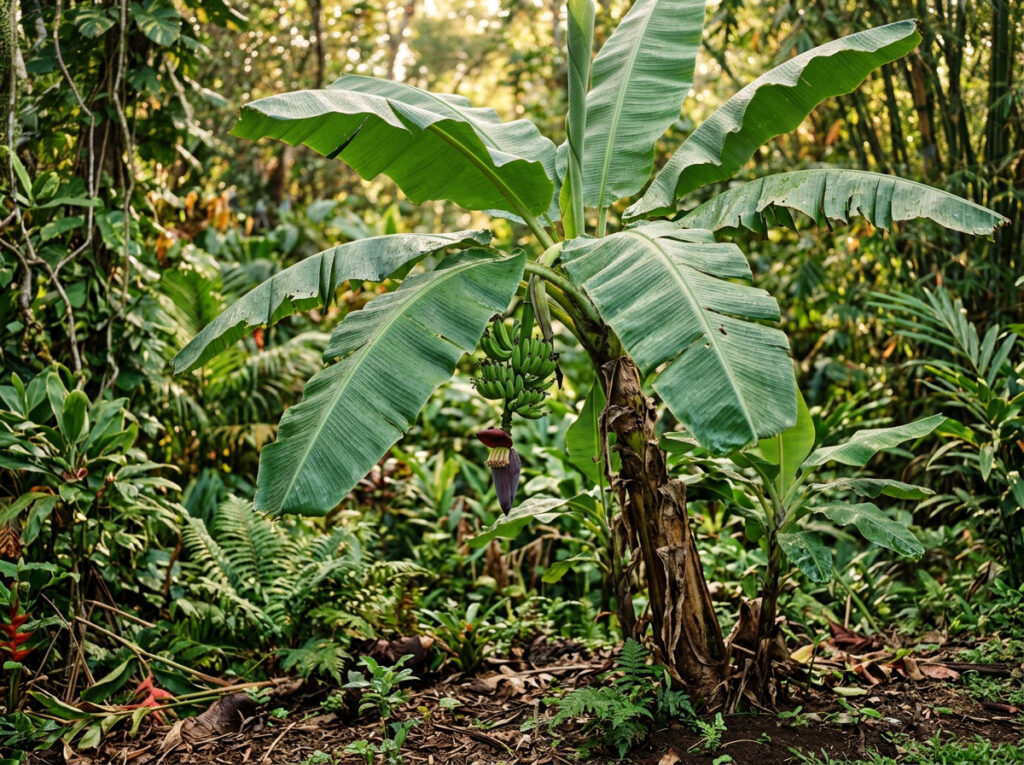
Whether using clay bowls or natural leaves, the essential principle remains the same: padê is a living offering, combining intention, natural elements, and ritual precision to honor Exu and Pombagira in Kimbanda.
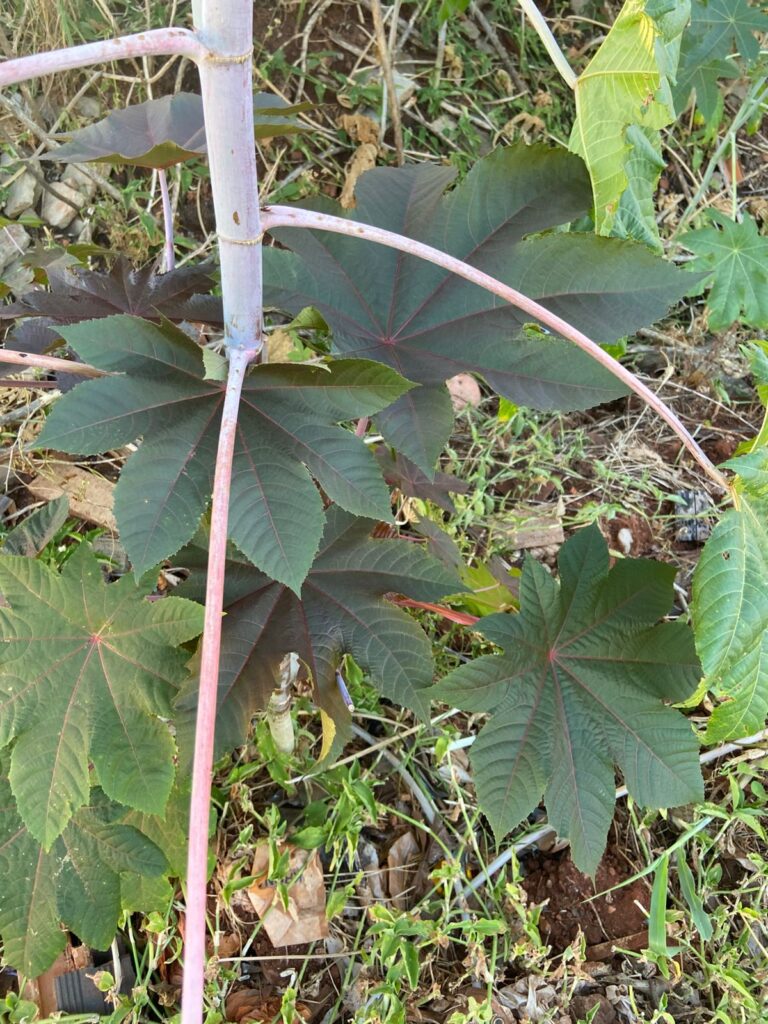
Learn more about the castor leaf by clicking here.
How Peppers and Palm Oil Enhance the Energy of Padê
One of the most powerful combinations in padê is the use of peppers and palm oil (dendê). This pairing amplifies the energetic potency of the offering:
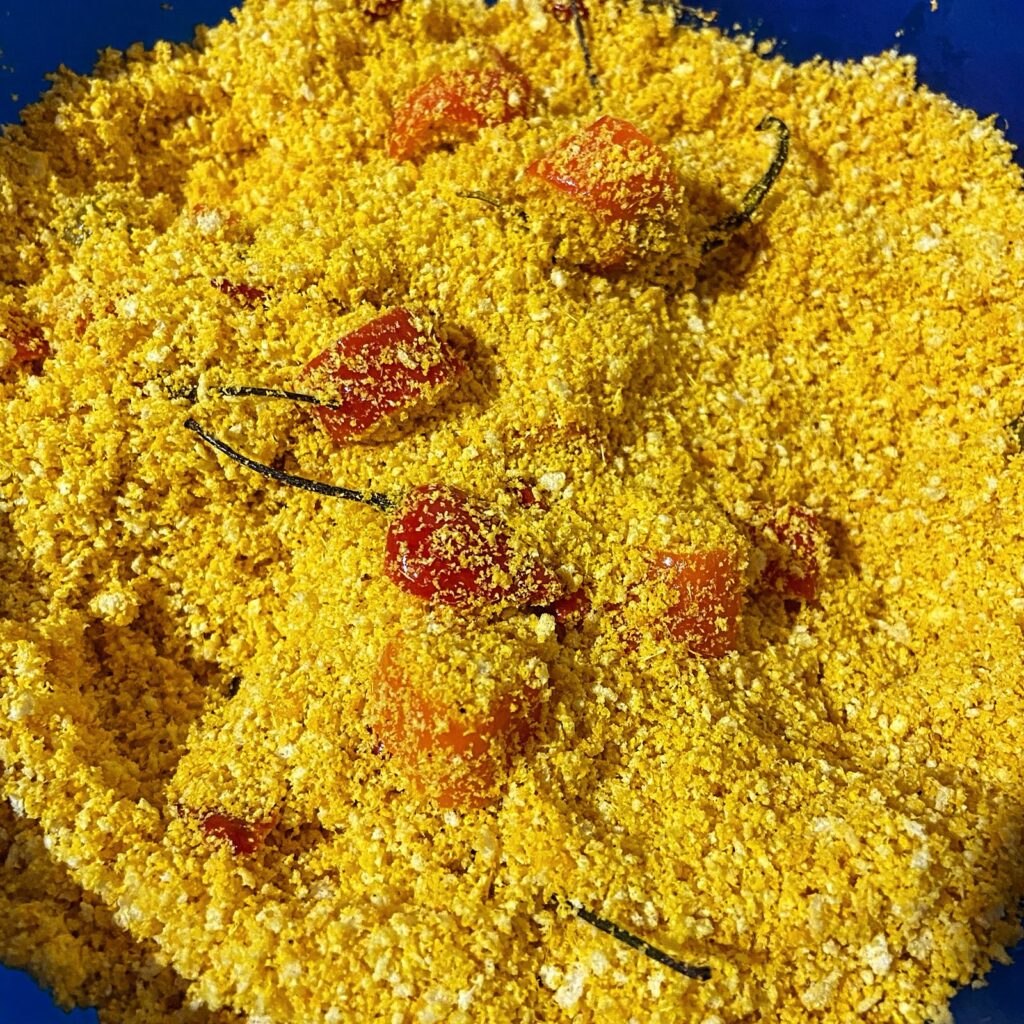
- Peppers bring sharp, active energy to cut negative influences, remove obstacles, and protect the practitioner.
- Palm oil carries and amplifies this energy, transmitting it effectively to the spiritual entities.
- Together, they create a focused energetic channel, enhancing the results of Exu rituals and Pombagira offerings.
This combination is widely used in hot and salty padês, ensuring that the offering is both protective and highly effective.
Preparing Padê for Spiritual Rituals: Best Practices
To maximize the effectiveness of padê, practitioners follow careful preparation guidelines:
- Choose ingredients according to the ritual’s purpose and the entity being honored.
- Assemble the offering in a clay bowl or on natural leaves.
- Combine energizing elements like peppers with conductive elements like palm oil.
- Speak intentions aloud while arranging the ingredients, reinforcing the energetic connection.
- Leave the padê in a sacred space or present it during the ritual, allowing the energy to be absorbed by the spiritual entities.
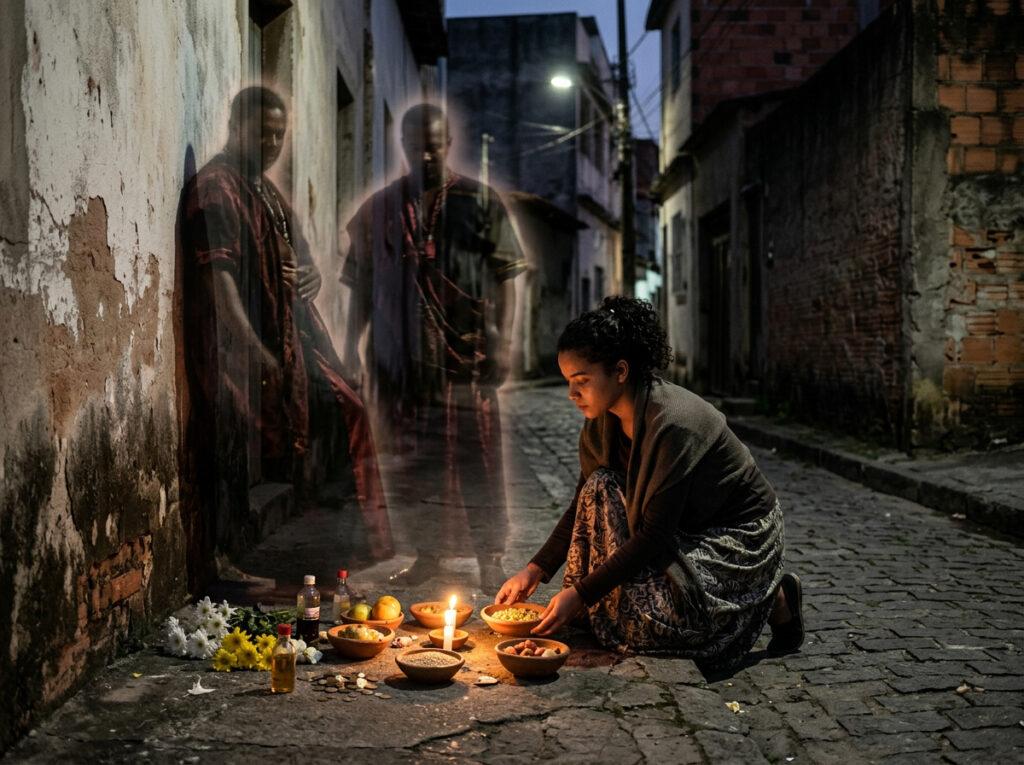
Following these practices ensures that Kimbanda padê offerings maintain their spiritual power and fulfill their intended function.
Interested in Exú Mirim? Click here to learn more.
Deixe um comentário