
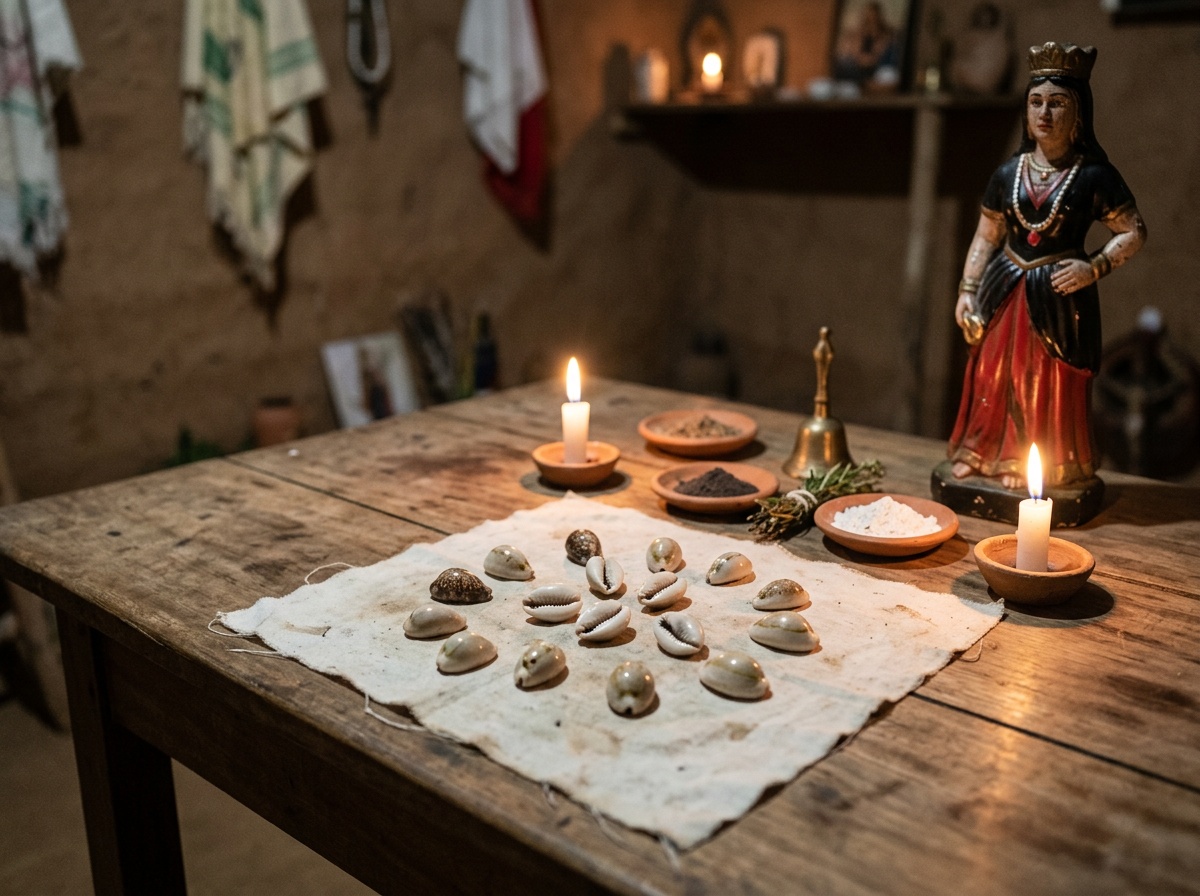
How Much Does a Kimbanda Spell Cost? A Complete Guide to Ritual Expenses
If you are researching Kimbanda and wondering how much a spell costs, you will quickly discover that there is no simple answer. The cost of a Kimbanda ritual depends on many factors, including the materials required, the complexity of the work, the spiritual instructions received during divination, and the experience of the practitioner. Furthermore, every spiritual case is considered unique. Because of this, ritual expenses can vary significantly from one situation to another.
Understanding Kimbanda and Its Spiritual Path
Kimbanda is an initiatory Afro-Brazilian spiritual tradition in which practitioners develop a close relationship with spiritual entities known as Exu and Pombagira. According to the beliefs of many initiates, these entities are connected to ancestral forces, crossroads, personal transformation, and the magical arts. Entering the path of Kimbanda is often described as a lifelong commitment that requires discipline, study, and spiritual responsibility.
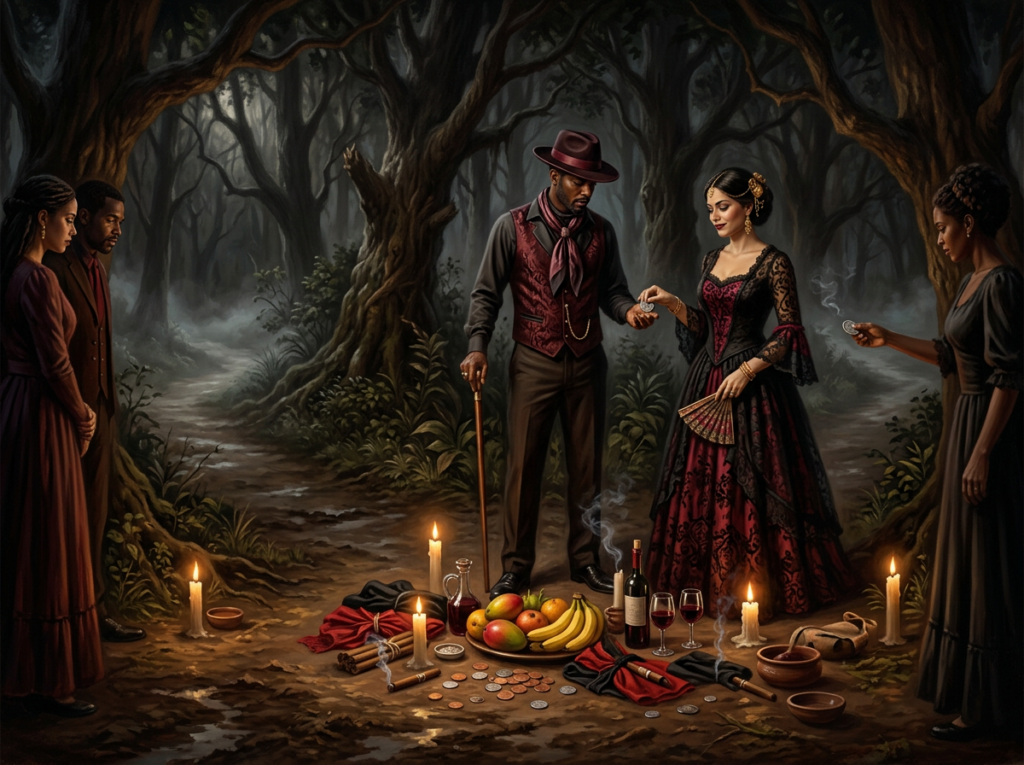
Unlike popular misconceptions, Kimbanda is not simply about performing spells. Instead, it involves years of learning, ritual obligations, offerings, and ceremonial work. As a result, maintaining a serious relationship with Exu and Pombagira can require a considerable financial investment over time. Ritual materials, temple expenses, initiation ceremonies, sacred objects, and ongoing obligations all contribute to the overall cost of practicing Kimbanda.
Learn how to make a powerful herbal bath. Click here.
Why Kimbanda Rituals Are Not Free
One of the most important distinctions between Kimbanda and Umbanda involves their approach to spiritual work. While many Umbanda temples are known for providing charitable spiritual assistance without charging for consultations, Kimbanda generally operates according to the principle of exchange.
In the view of many practitioners, relationships between human beings and spiritual entities are built upon reciprocity. Therefore, when spiritual assistance is requested, offerings and ritual obligations are often expected in return. This concept is not necessarily viewed as a commercial transaction. Rather, it reflects the belief that spiritual work requires balance, commitment, and energetic exchange.
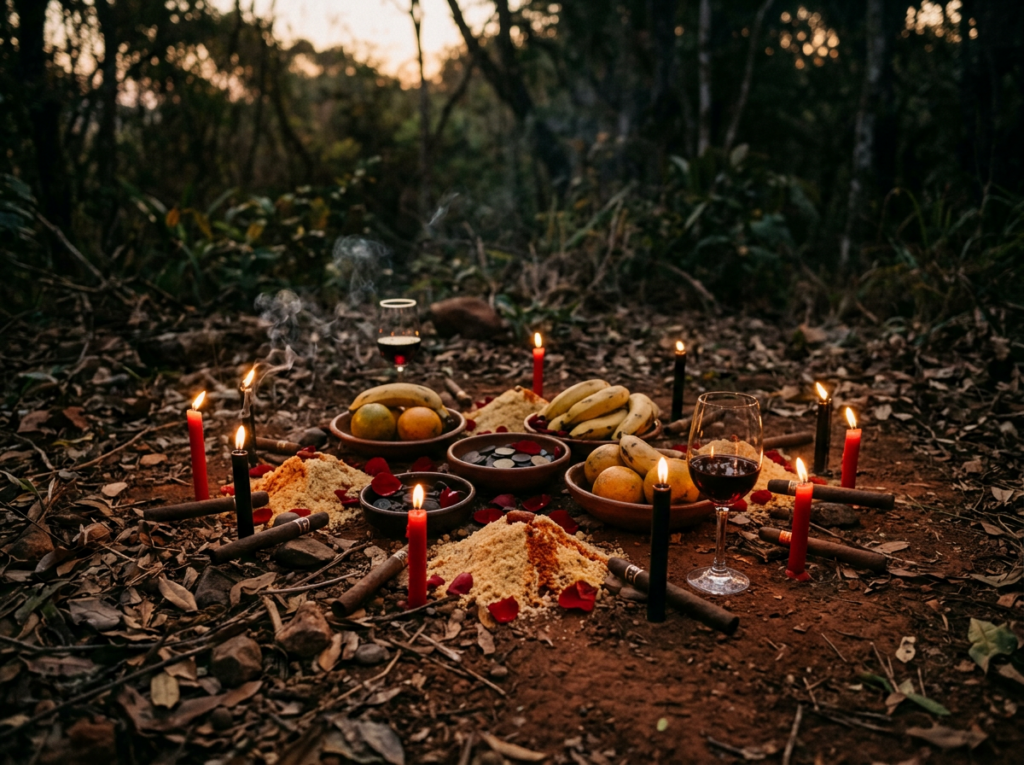
Because of this philosophy, Kimbanda ritual expenses frequently include both ceremonial materials and the time, knowledge, and preparation required by the practitioner. Consequently, the cost of a ritual often reflects much more than the physical objects used during the ceremony.
The Importance of Divination Before Any Spell
Before any ritual, spell, or spiritual work is performed, most Kimbanda practitioners consider divination an essential step. Through oracular consultations, the practitioner seeks guidance regarding the client’s situation and the spiritual conditions surrounding the request.
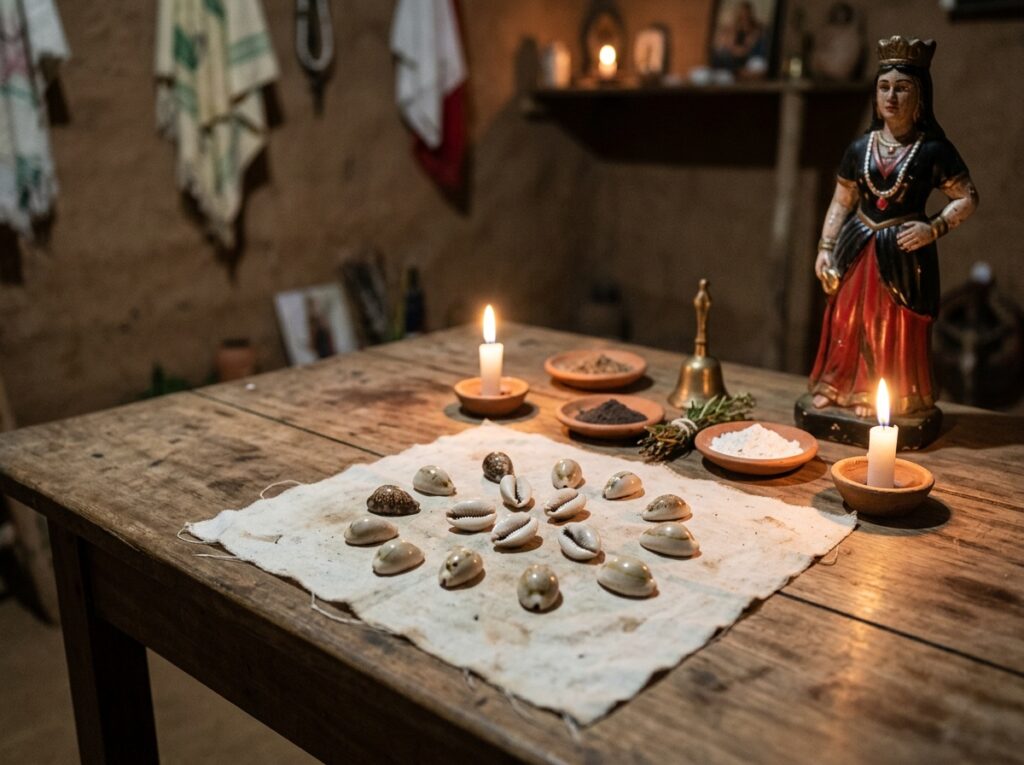
For this reason, many Kimbanda houses do not perform any ritual without first consulting an oracle. According to practitioners, divination helps determine whether the requested objective is spiritually viable, whether obstacles exist, and which ritual procedures may be appropriate. Furthermore, the consultation is often used to identify the offerings, materials, and ceremonial actions that may be required.
As a result, divination is frequently one of the most important stages of the entire process. It allows the practitioner to evaluate the situation before any ritual expenses are incurred and helps establish realistic expectations regarding the spiritual work being requested.
How Exu and Pombagira Influence Ritual Requirements
Following divination, practitioners often believe that Exu and Pombagira indicate the specific requirements for the ritual. Therefore, the practitioner does not simply choose materials based on personal preference.
Depending on the objective, the ritual may require simple offerings or highly elaborate ceremonial preparations. In some Kimbanda traditions, animal sacrifice may be prescribed as part of certain religious obligations, while other traditions may utilize different approaches. Every case is viewed as unique.
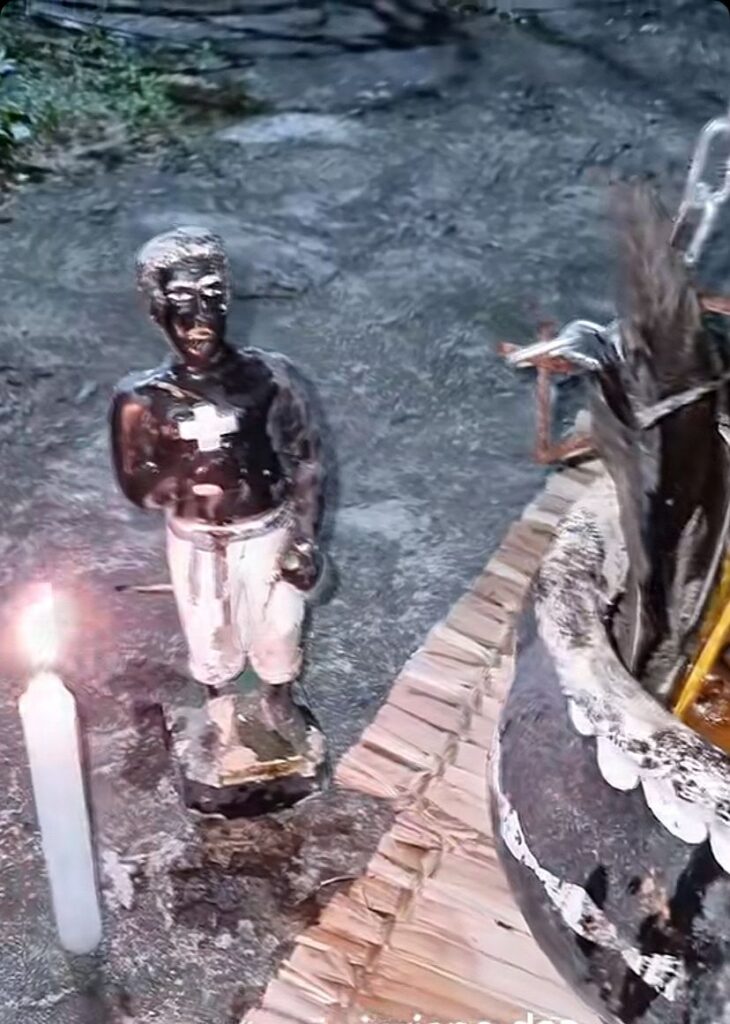
Because of this individualized approach, two people seeking assistance for similar situations may receive completely different ritual recommendations. Consequently, the cost of a Kimbanda spell can vary significantly from one case to another.
Can a Kimbanda Ritual Be Performed Remotely?
Many people assume they must travel to meet a practitioner in person. However, this is often not necessary.
According to many Kimbanda practitioners, spiritual work can frequently be performed for individuals who live in different cities, states, or even countries. As modern communication has made long-distance consultations easier, remote ritual work has become increasingly common.
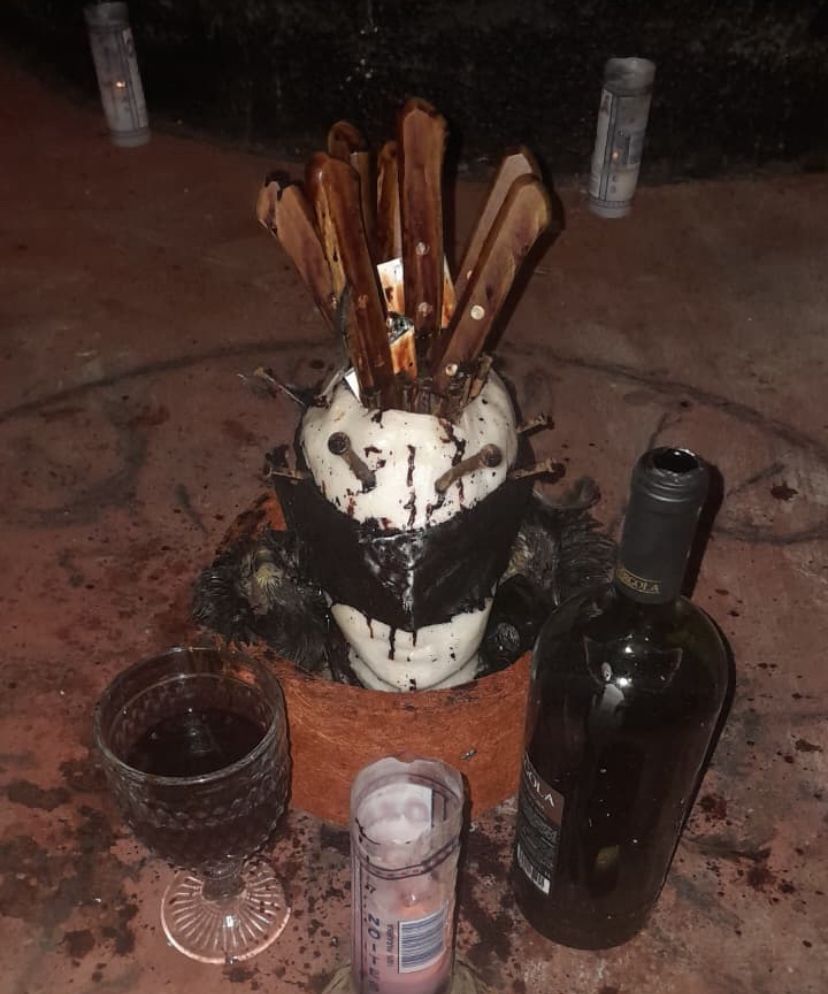
In many cases, the client provides personal information, photographs, names, or other symbolic links that practitioners consider relevant to the ritual process. Because of this, it is often possible to reduce costs associated with travel, accommodations, and logistics.
Curious about Exu and Pombagira? Click here to learn more.
Love Spells and Long-Distance Ritual Work
A common example involves love-related rituals. A person may seek spiritual assistance regarding a former spouse, an ex-partner, or a desired romantic relationship.
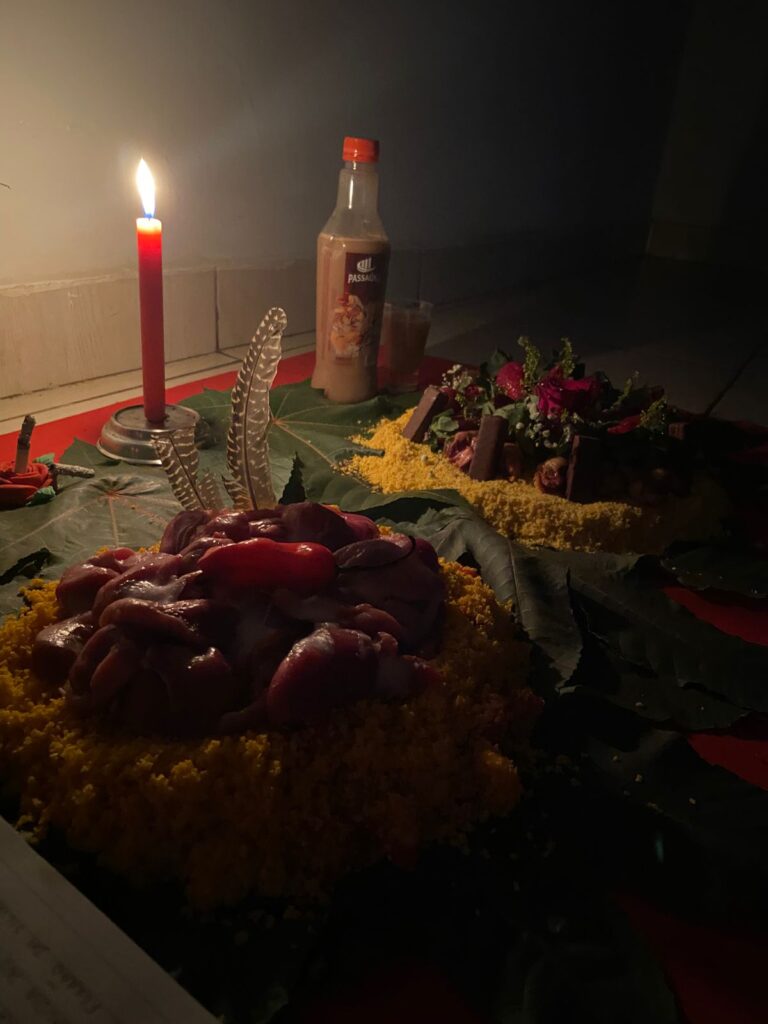
In these situations, the other individual is typically not physically present during the ceremony. Nevertheless, many practitioners believe that the ritual can still be conducted using symbolic connections and the instructions received through divination. Consequently, physical distance is not always considered an obstacle to spiritual work.
Interested in a divination consultation to see whether a love or attraction spell may be possible? Feel free to reach out through my contact form.
Need an attraction and seduction bath? Click here to get started.
Materials Commonly Used in Kimbanda Rituals
One of the primary factors influencing the cost of a Kimbanda spell is the quantity and complexity of the required materials.
Depending on the ritual, offerings may include meats, fruits, herbs, roots, grains, candles, cigars, beverages, perfumes, oils, flowers, fabrics, powders, minerals, and ritual tools. In addition, some ceremonies require sacred earth collected from locations that hold symbolic significance within the tradition.
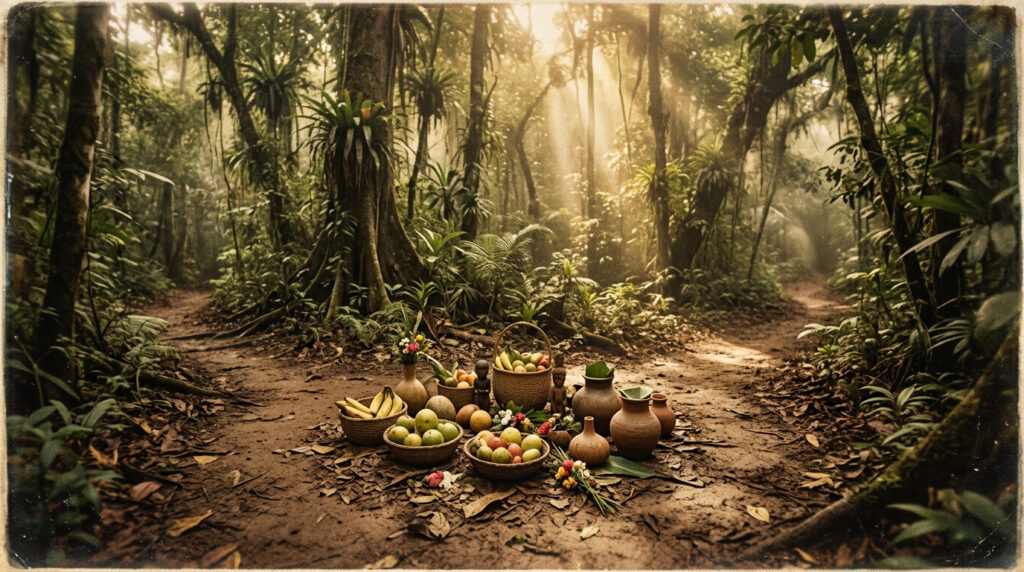
For example, practitioners may gather soil from crossroads, forests, rivers, cemeteries, or other places associated with particular spiritual forces. Likewise, specific ritual items may need to be prepared, consecrated, and transported according to ceremonial requirements.
As the number of materials increases, so does the overall cost of the ritual.
Hidden Costs Behind Kimbanda Practice
Many people focus exclusively on ritual materials when evaluating the cost of a spell. However, there are numerous hidden expenses associated with maintaining an active Kimbanda practice.
A dedicated practitioner may spend years studying ritual procedures, learning sacred chants, acquiring ceremonial tools, and receiving instruction from elders. Furthermore, initiation rites, altar maintenance, ritual clothing, temple contributions, and travel expenses all represent ongoing investments.
Because of this, the fee associated with a ritual often reflects not only the materials used but also the practitioner’s training, experience, and spiritual responsibilities accumulated over many years.
Factors That Influence the Cost of a Kimbanda Spell
Several factors can influence the final cost of a Kimbanda ritual.
These factors may include:
- The complexity of the request.
- The results of divination.
- The quantity of required offerings.
- The duration of the ritual process.
- Whether multiple ceremonies are necessary.
- The practitioner’s experience.
- Regional traditions and customs.
- Transportation and logistical expenses.
- Special ritual requirements identified during consultation.
Therefore, it is impossible to establish a universal price for every Kimbanda spell. Each case must be evaluated individually.
Why Prices Vary Between Practitioners
Another important consideration is that there is no central authority that regulates ritual pricing across all Kimbanda traditions.
Different houses, lineages, and practitioners may follow distinct customs and ceremonial methods. Additionally, material costs can vary greatly depending on geographic location and local availability.
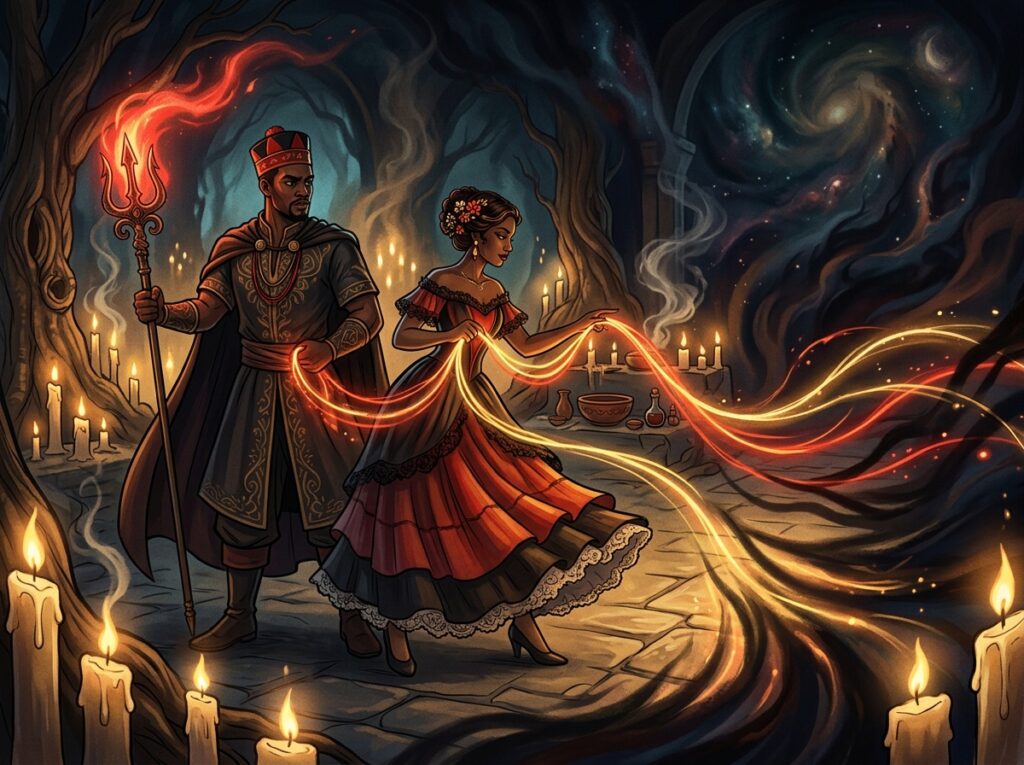
For this reason, two practitioners may charge different amounts for what appears to be a similar request. Consequently, prospective clients should always seek transparency regarding what is included in the ritual process and how expenses are determined.
Final Thoughts on Kimbanda Ritual Pricing
Ultimately, the cost of a Kimbanda spell cannot be reduced to a single number. Rather, it is influenced by a combination of spiritual, ceremonial, logistical, and practical factors.
According to practitioners, ritual expenses often reflect much more than the visible materials placed on an altar. They also represent years of training, religious obligations, ceremonial preparation, and the unique requirements identified through divination.
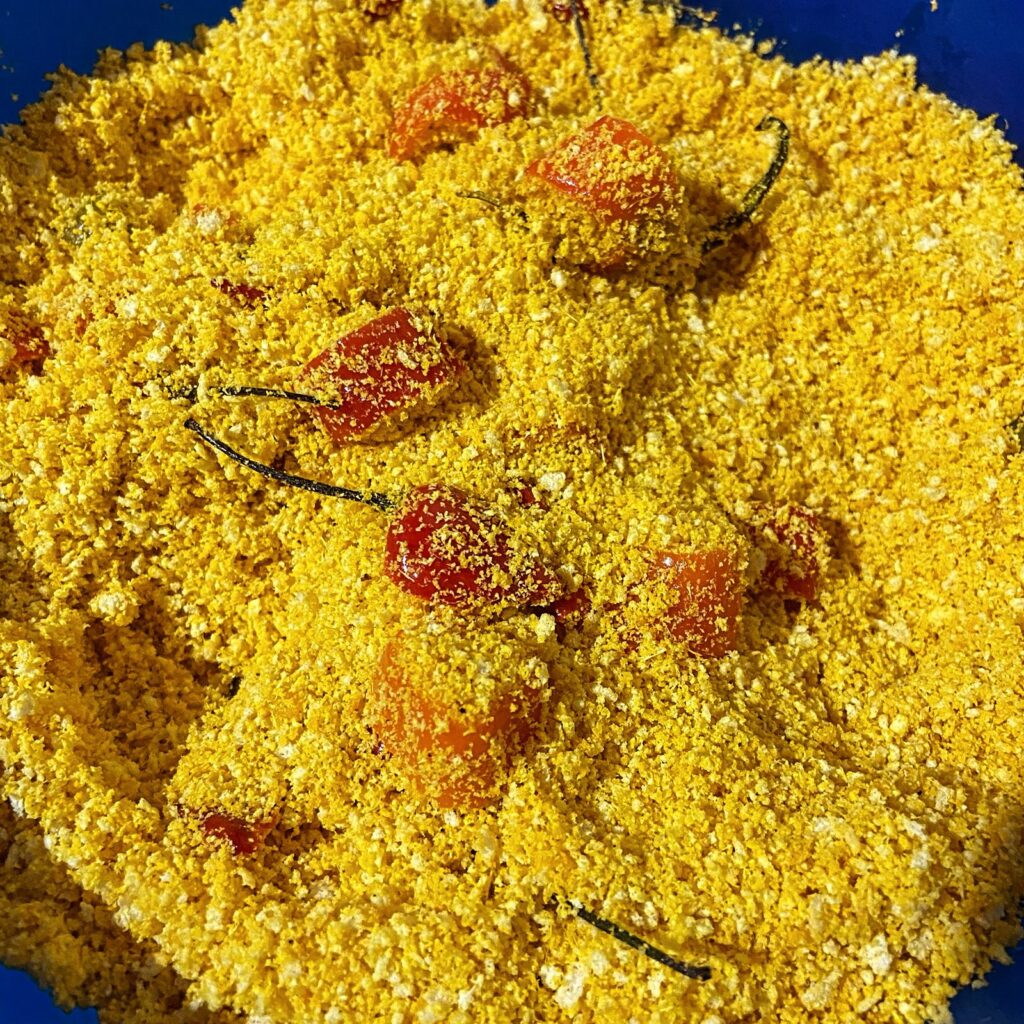
Whether one approaches Kimbanda from a spiritual, cultural, or academic perspective, understanding these factors provides valuable insight into why ritual costs can range from relatively modest amounts to significant investments. As a result, anyone seeking spiritual work within the Kimbanda tradition should take the time to understand the process, ask questions, and evaluate the practitioner with care before making a commitment.
I perform rituals focused on love, attraction, road opening, and prosperity. Through my spiritual work with ancestral entities known as Exu and Pombagira, I use traditional practices and rituals aimed at helping clients pursue a variety of personal goals.
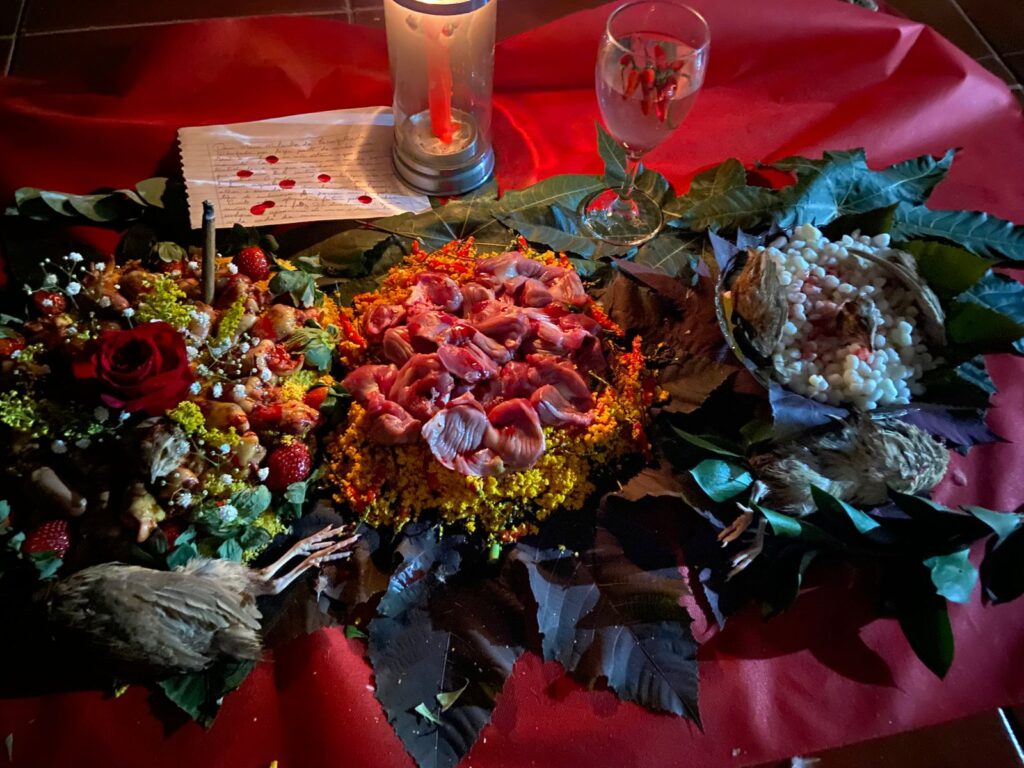
In matters related to finances and prosperity, these rituals may be used with the intention of supporting opportunities such as finding employment, attracting more customers to a business, encouraging professional growth, or fostering greater financial abundance. Every situation is unique, and spiritual work is approached according to the specific needs of each client.
On average, a road-opening and prosperity ritual costs around $230 USD. Because the U.S. dollar is generally much stronger than the Brazilian real, this is often considered an affordable price for international clients.
Need help removing obstacles and opening new opportunities? Contact me through the contact form or visit my Instagram for more information.
Deixe um comentário