What Is Kimbanda?
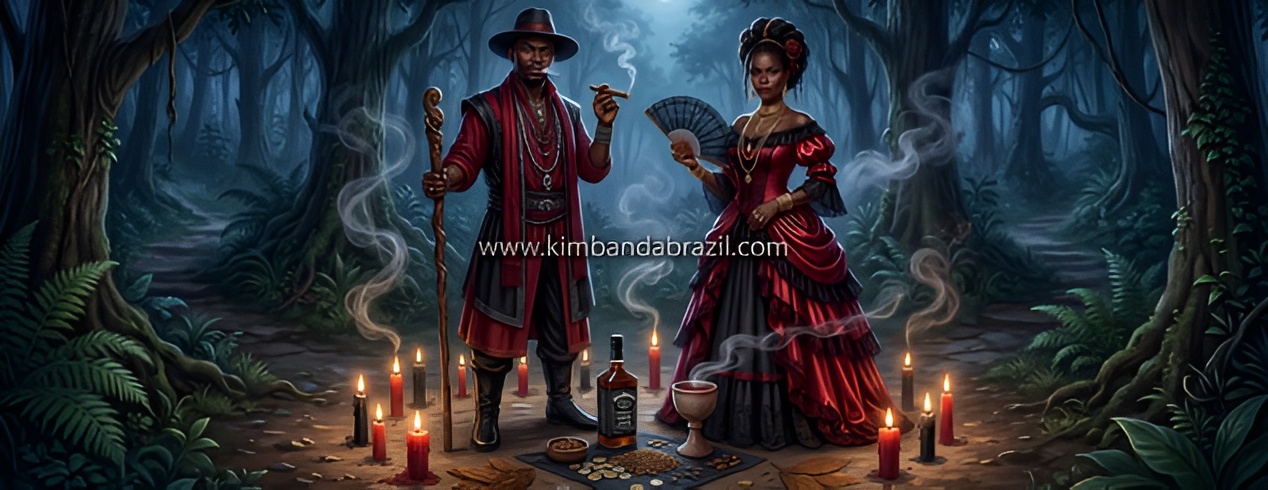
When discussing Kimbanda, many people outside Brazil still have only a limited understanding of what this spiritual tradition truly represents. Unlike popular interpretations that reduce it to spells, rituals, or supernatural folklore, Kimbanda is an initiatory cult centered on the relationship between human beings and ancestral spirits.
Within this tradition, practitioners develop connections with spiritual entities known as Exus and Pombagiras. These entities are understood as ancestral witches, sorcerers, healers, and masters of hidden spiritual knowledge. Rather than being worshipped as gods, they are respected as ancestors who accumulated wisdom, experience, and spiritual power throughout many generations.
As a result, initiation in Kimbanda involves learning how to build a respectful relationship with these ancestral spirits while developing a deeper understanding of spiritual forces and the unseen world.
In the United States, people often use the words “spirit” and “ghost” almost interchangeably when referring to someone who has died. While this perspective makes sense within modern Western culture, it can appear overly simplistic—and sometimes even amusing—to many other cultures around the world.
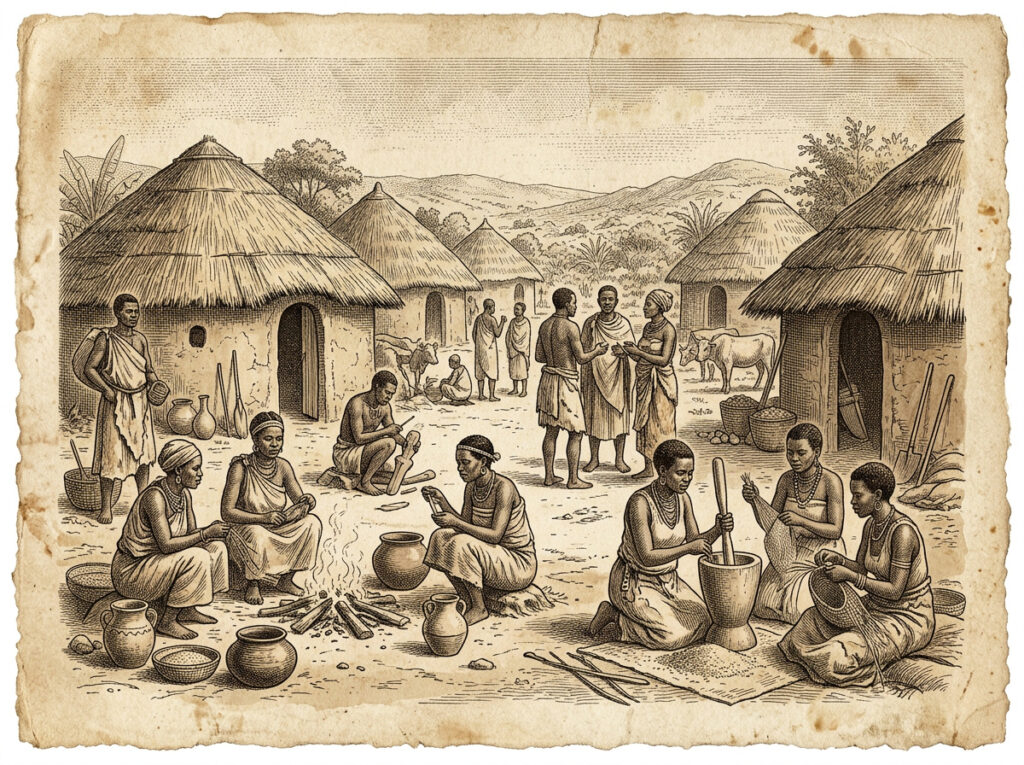
Throughout history, civilizations have maintained complex relationships with their ancestors. Ancient Greece honored heroes and departed family members through rituals and offerings. Likewise, the Romans preserved household cults dedicated to ancestral spirits. In many African, Asian, and Indigenous American traditions, ancestor veneration remains an important part of spiritual life today.
Therefore, the idea that all spirits are simply ghosts wandering aimlessly through the afterlife finds little support within these traditions. Instead, ancestors are viewed as active participants in the lives of the living, capable of offering wisdom, protection, guidance, and spiritual assistance.
Want to learn more about Exu and Pombagira in Kimbanda? Click here.
Who Is Maria Padilha?
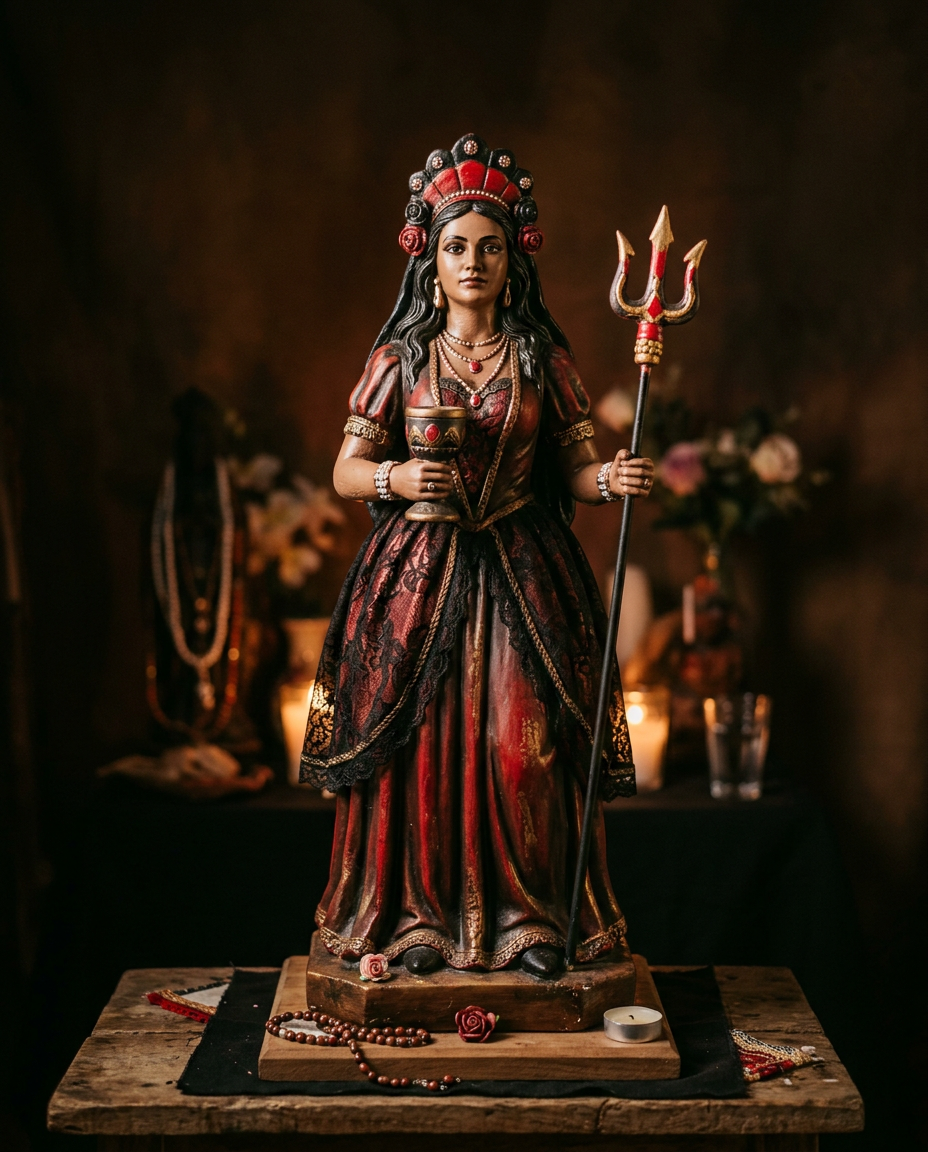
Among the most famous entities in Kimbanda is Maria Padilha. Today, her name is recognized not only throughout Brazil but also by people interested in Brazilian spirituality, spirit work, and ancestral witchcraft around the world.
Maria de Padilla and Her Historical Origins
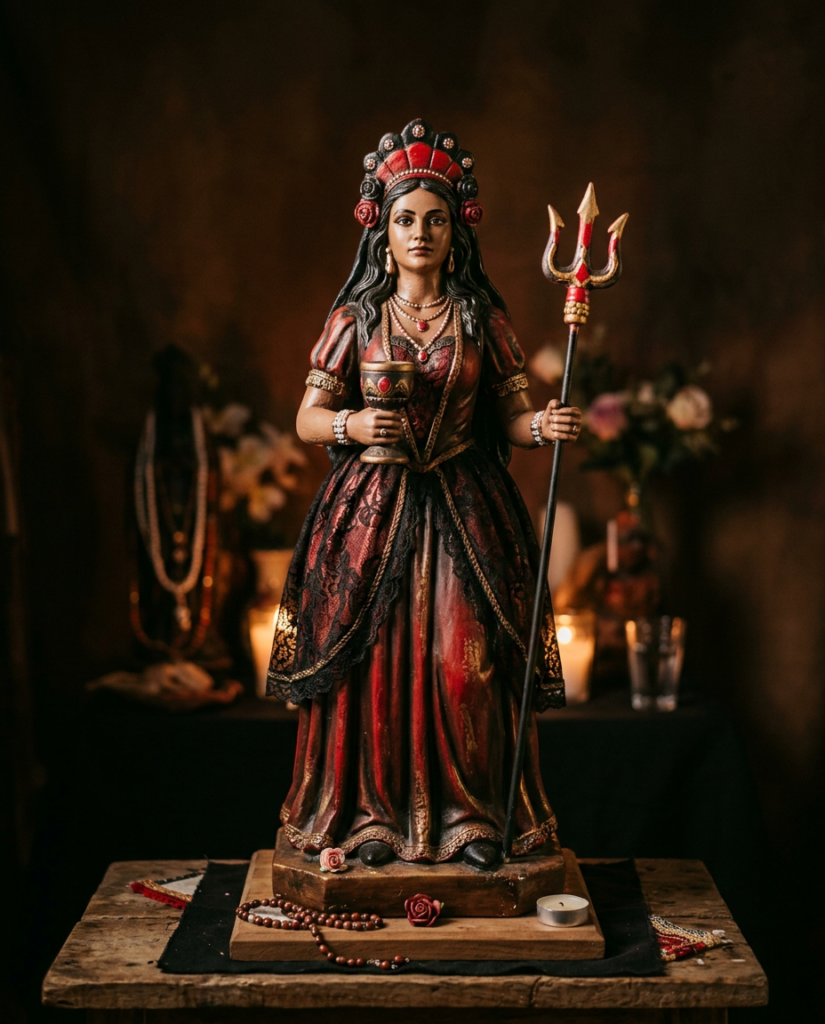
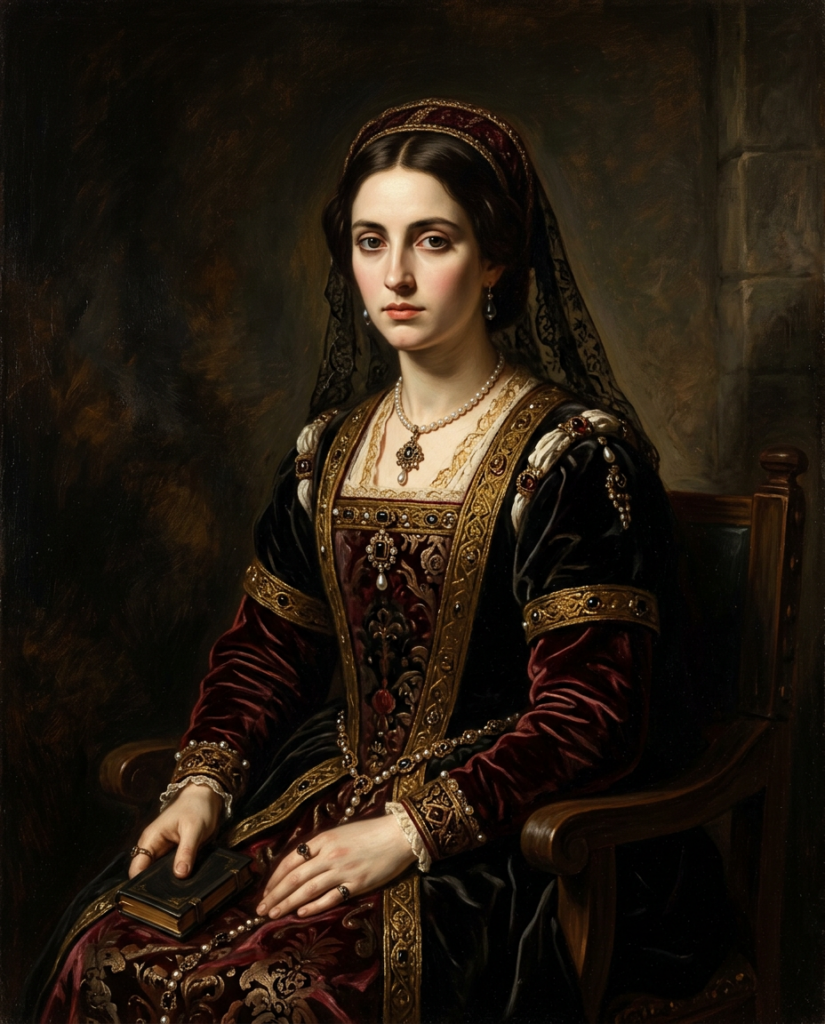
The historical roots of Maria Padilha can be traced back to medieval Spain. María de Padilla was a real woman who lived during the fourteenth century and became famous through her relationship with King Pedro I of Castile.
Over time, her story became intertwined with folklore, legends, and popular imagination. Consequently, she evolved into a figure associated with feminine power, beauty, influence, mystery, and seduction.
As Brazilian spiritual traditions developed their own forms of mediumship and ancestral work, the name Maria Padilha gradually became associated with a specific category of female spirits.
How Maria Padilha Became a Spiritual Phalanx
Within Kimbanda, practitioners generally do not believe that every spirit called Maria Padilha is literally the historical María de Padilla. Instead, the name came to identify an entire spiritual phalanx composed of ancient and highly intelligent ancestral witches.
These spirits share several defining characteristics. For example, they are associated with profound magical knowledge, strategic thinking, leadership, independence, and mastery of spiritual practices.
In other words, Maria Padilha functions less as the name of a single spirit and more as the title of a spiritual lineage composed of numerous ancestral entities working under a common identity.
The concept of a phalanx is fundamental to understanding Kimbanda. A phalanx can be described as a group of spirits operating under the same symbolic name while sharing similar energetic and spiritual characteristics.
Just as members of the same family may share similarities without being identical individuals, spirits belonging to the same phalanx retain unique personalities while following common ancestral principles.
Consequently, when a medium channels a Maria Padilha, it does not necessarily mean the exact same spirit is manifesting every time. Rather, it signifies a connection to a particular ancestral lineage.
Want to learn how to prepare a seduction bath? Click here.
The First Female Phalanx of Kimbanda
According to oral traditions preserved by many Kimbanda practitioners, the Maria Padilha phalanx occupies a unique position within the religion. It is frequently described as the first great female phalanx of Kimbanda.
Because of this status, many practitioners believe that the spirits belonging to this lineage possess extraordinary knowledge of ancestral witchcraft.
Why Maria Padilha Is Associated with Witchcraft
The reputation of Maria Padilha extends far beyond the love spells that often dominate popular culture. Instead, these spirits are traditionally associated with prosperity work, protection rituals, road-opening magic, spiritual development, influence, and justice.
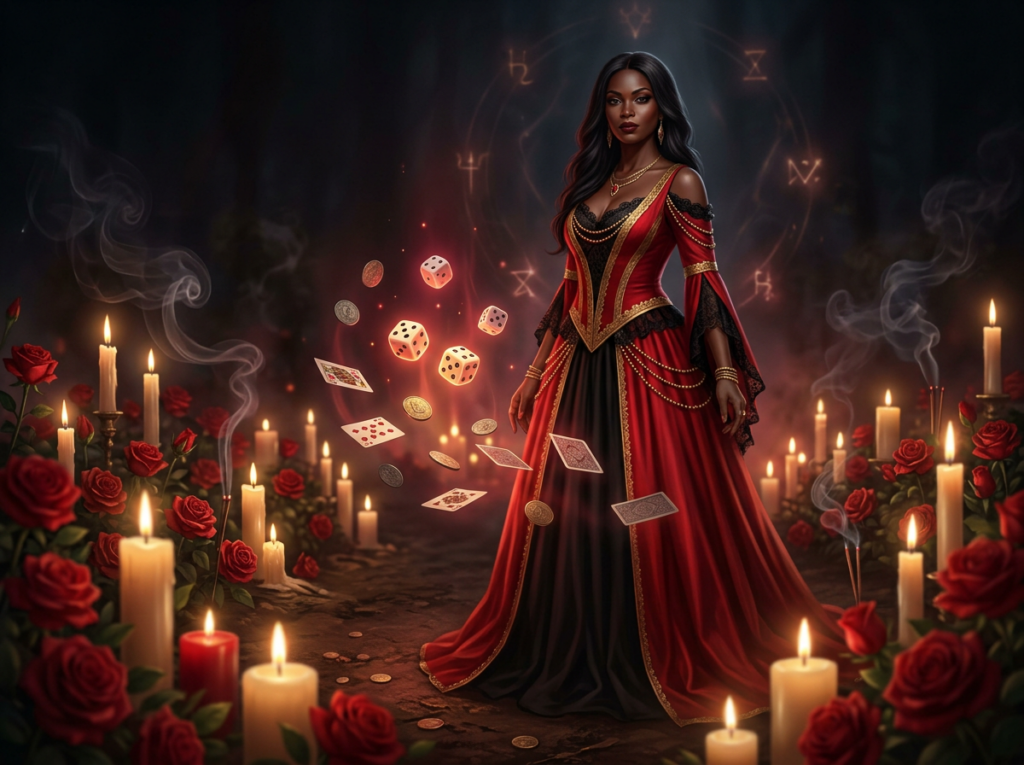
As a result, many newcomers are surprised to discover that Maria Padilha’s role extends far beyond romance and attraction. Within traditional Kimbanda circles, these entities are often described as spiritual strategists capable of analyzing complex situations and identifying hidden influences.
For many practitioners, the presence of a Maria Padilha represents experience, authority, wisdom, and a deep understanding of occult mysteries.
Maria Padilha and Spiritual Justice
Many people first hear about Maria Padilha through stories involving love spells and romantic rituals. However, limiting her role to matters of the heart overlooks the broader reputation she holds within Kimbanda.
Practitioners frequently describe members of the Maria Padilha phalanx as spirits capable of influencing many aspects of life, including prosperity, protection, justice, and personal transformation.
Their reputation has been built not only upon their ability to attract opportunities but also upon their willingness to confront obstacles and expose deception when necessary.
Maria Padilha as a Symbol of Feminine Power
In addition to her reputation for spiritual work, Maria Padilha is also seen as a symbol of feminine autonomy and empowerment.
Although Kimbanda possesses a highly structured spiritual framework, many of its female entities are portrayed as independent, intelligent, and capable of making decisions without subordination to male figures.
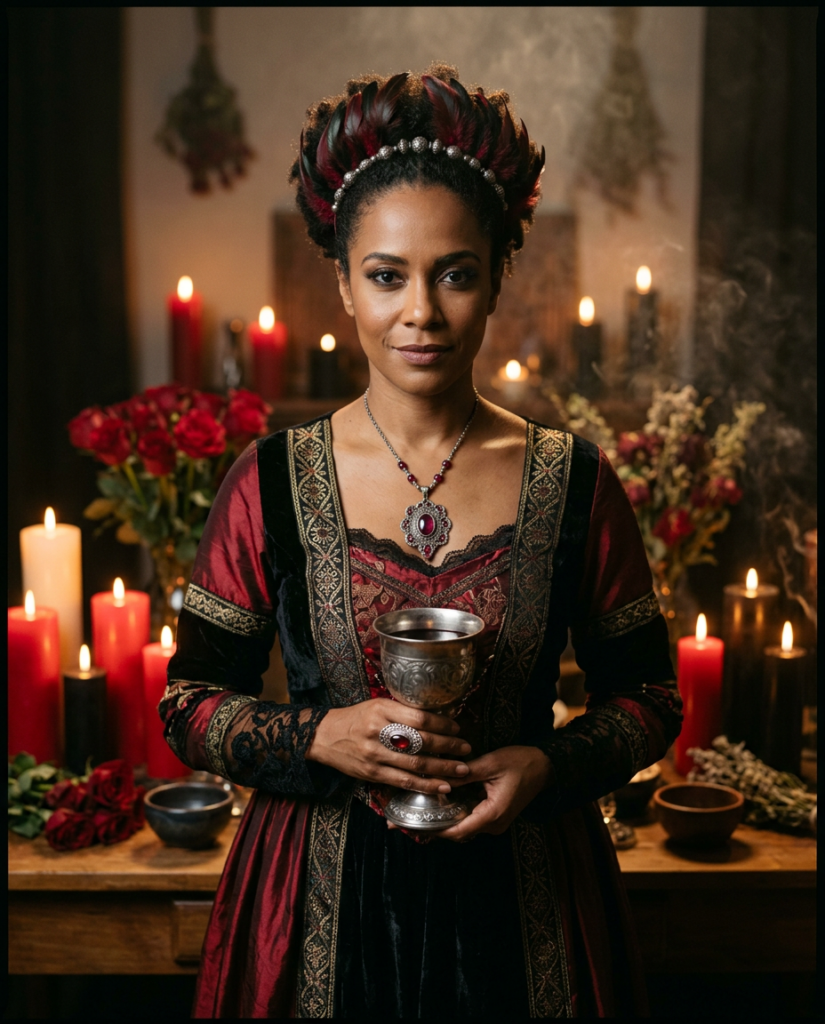
Because of these characteristics, Maria Padilha has become especially popular among practitioners seeking confidence, resilience, emotional strength, and personal transformation.
Her image often combines elegance, sophistication, charisma, intelligence, and power. These qualities help explain why she remains one of the most beloved and respected figures in Brazilian spirituality.
Why Americans Are Becoming Interested in Maria Padilha
Furthermore, the growth of the internet has allowed the name Maria Padilha to reach audiences far beyond Brazil’s borders.
Today, searches for terms such as “Maria Padilha,” “Kimbanda spirits,” “Brazilian witchcraft,” “Pombagira,” “ancestor spirits,” and “spirit work” are increasingly common in the United States, Canada, the United Kingdom, and other countries.
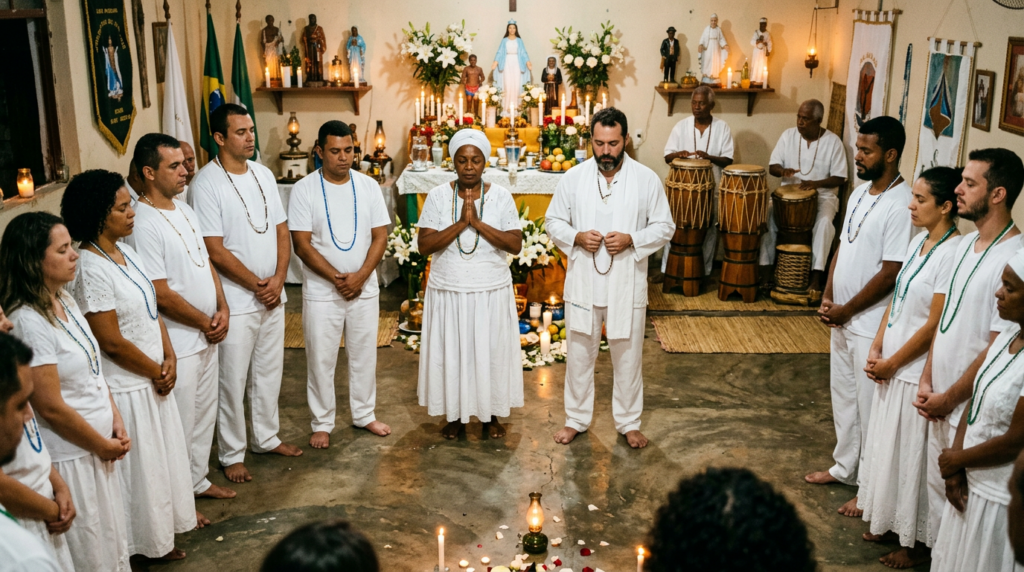
This growing international interest reflects a broader curiosity about alternative spiritual traditions and practices that emphasize ancestral relationships.
At the same time, it highlights the need for accurate information capable of presenting these entities beyond the stereotypes and misconceptions that often dominate online discussions.
Common Misconceptions About Maria Padilha
One of the biggest misconceptions surrounding Maria Padilha is the belief that she works exclusively with matters of love and romance.
In reality, many Kimbanda practitioners associate her with protection, spiritual justice, prosperity, personal transformation, and the exposure of hidden truths.
This broader understanding helps explain why Maria Padilha remains one of the most respected spirits within Kimbanda and why her popularity continues to grow internationally.
My Personal Experience with Maria Padilha
Beyond the historical and spiritual aspects, my own experience with Maria Padilha played a major role in shaping my understanding of Kimbanda.
A Workplace Conflict and an Unexpected Outcome
The first time I sought Maria Padilha’s assistance, I was facing an extremely difficult situation at work. For nearly a year, I endured humiliation, gossip, and persistent attempts to damage my professional reputation.
Eventually, I felt that I had exhausted every conventional solution available to me. Therefore, I decided to seek spiritual help.
My request was simple. I asked Maria Padilha to deal with two individuals who were causing significant problems in my life and to bring justice in whatever way she considered appropriate. I did not specify what should happen. Instead, I left the matter entirely in her hands.
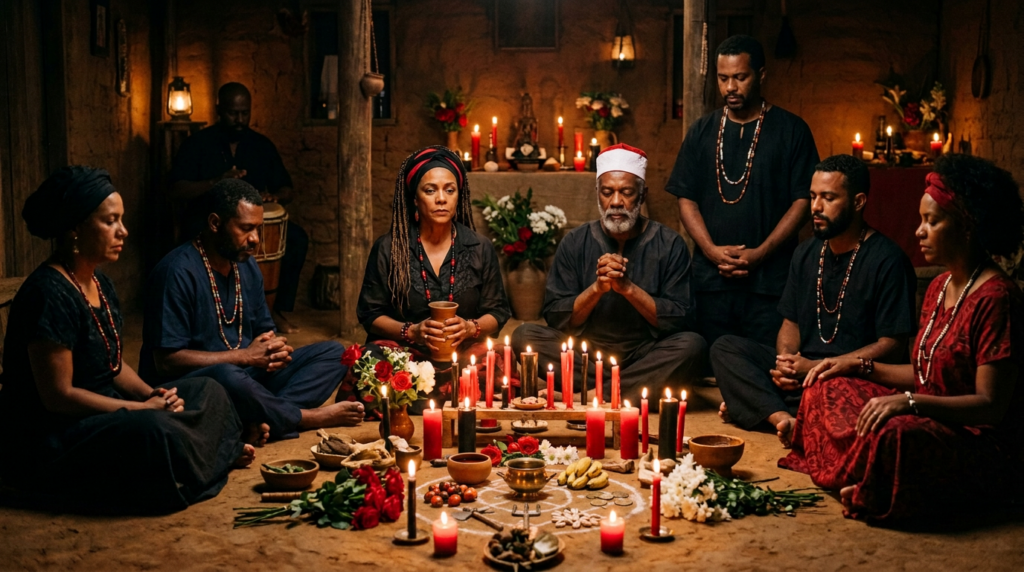
Approximately forty days later, unexpected events began to unfold.
The first person involved was a recently married woman who had actively participated in spreading rumors about me. She cultivated an image of virtue and religious devotion, yet many people in town were familiar with a very different side of her past.
Before her marriage, she had converted to the Mormon Church and quickly met a man willing to build a future with her. However, information about her past eventually surfaced.
As a result, her husband learned details she had concealed, and the marriage ended in divorce shortly afterward.
To me, the situation reinforced something many Kimbanda practitioners often say: spirits such as Maria Padilha see beyond appearances and have very little tolerance for hypocrisy.
The Second Case That Made Me Question Coincidence
The second incident was even more surprising and, admittedly, somewhat humorous.
The other person who had spent months spreading gossip and defamatory stories about me was a middle-aged woman known for her difficult temperament.
Several weeks after my request to Maria Padilha, she experienced a serious dental problem and lost her upper front teeth.
I clearly remember seeing her arrive at work wearing a mask for several days while she searched for a solution to the problem.
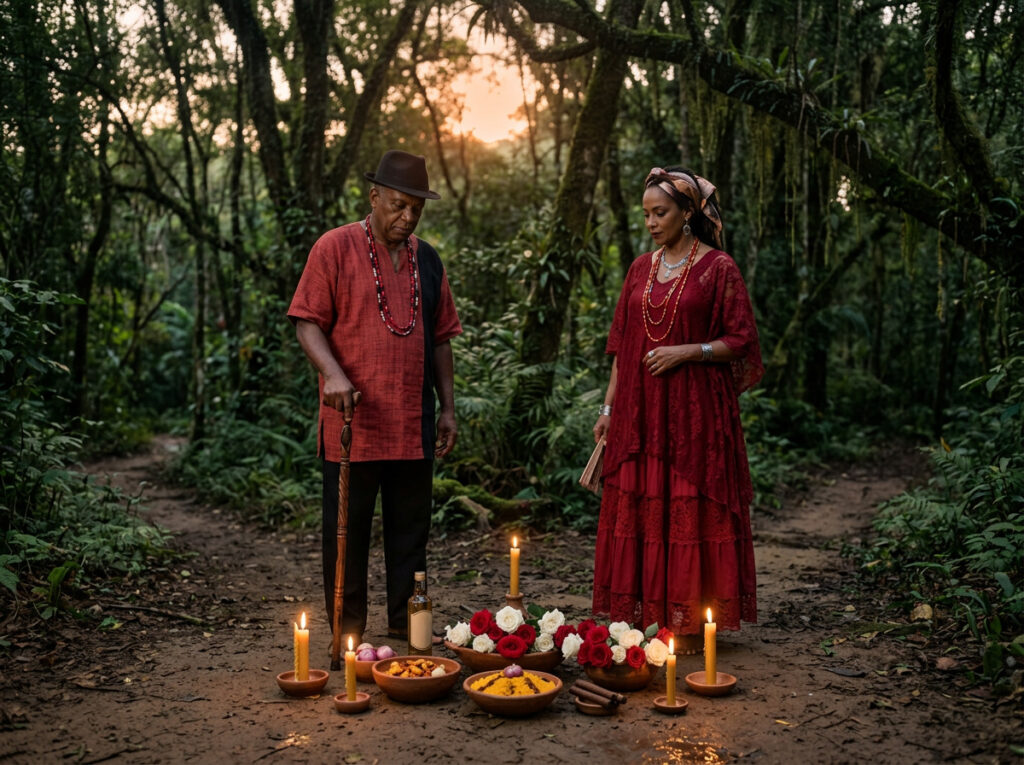
In Brazil, dental procedures can be extremely expensive, especially when implants are involved. Consequently, the situation quickly became the subject of workplace conversations.
What impressed me most was how quickly both situations unfolded. Within roughly forty days, both cases had reached their conclusion.
Naturally, some people will view these events as mere coincidences, and I fully respect that perspective. Nevertheless, my personal experience led me to interpret them differently.
From that moment forward, I began to understand why so many practitioners regard the Maria Padilha phalanx as one of the most powerful in Kimbanda.
Many people associate these spirits exclusively with love magic and relationship work. However, my own experiences suggested that they are also sought for protection, spiritual justice, and the removal of harmful influences.
For many initiates, stories such as these represent only a small glimpse of the knowledge, strategy, and spiritual power attributed to the ancestral witches of the Maria Padilha phalanx.
My Opinion on Maria Padilha and Kimbanda
In my view, understanding Maria Padilha requires abandoning the narrow assumption that all ancestral spirits are merely ghosts.
Human history demonstrates that nearly every major civilization developed some form of relationship with its honored dead, spiritual ancestors, and legendary figures.
Kimbanda belongs to this long and fascinating tradition of ancestor veneration.
Within this tradition, Maria Padilha represents far more than a historical woman or a spirit associated with romance and attraction.
She embodies an ancestral lineage of spiritual witches whose reputation has been built through generations of practice, wisdom, and accumulated experience.
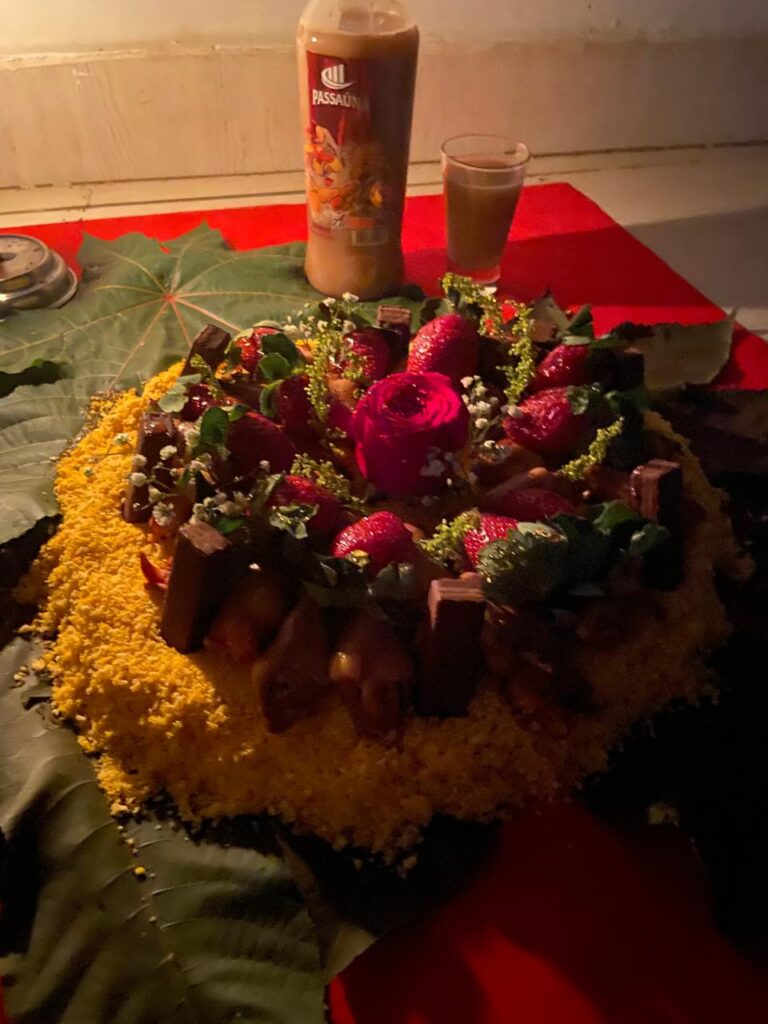
Regardless of one’s personal beliefs, studying Maria Padilha offers a unique opportunity to explore how different cultures understand ancestry, spirituality, magic, and the continuity of consciousness beyond physical death.
Ultimately, it may be this unique combination of history, mystery, feminine power, ancestral wisdom, and spiritual influence that has transformed Maria Padilha into the most recognized and respected Queen of Kimbanda.
For those interested in Brazilian spirituality, ancestor spirits, and Kimbanda, her story remains one of the most fascinating examples of how ancestral traditions continue to shape the modern spiritual world.
Discover Exu Mirim, the ancestral spirit known for its playful and creative nature. Click here.
Deixe um comentário