
What is a herbal bath?
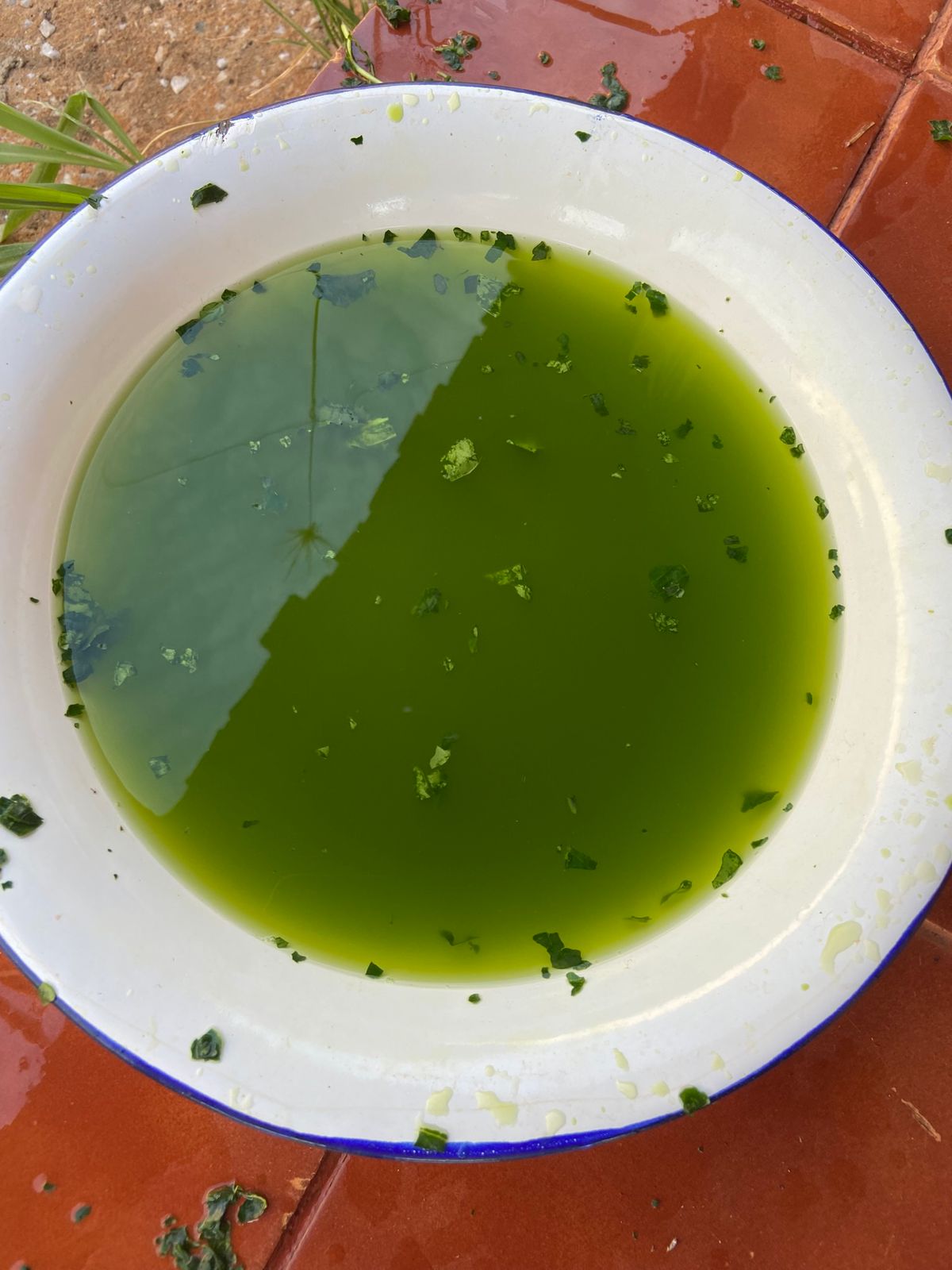
A herbal bath is technically bathing with the juice of herbs together with water or another liquid component, such as, for example, aguardente (a type of Brazilian liquor). In other words, it is a natural way to combine the properties of herbs with liquid for ritualistic or personal cleansing purposes.
In Kimbanda, we use herbs for various functions, such as energetic cleansing, protection, concentration and focus, vitality, keeping enemies away, and among others.
In Brazil, herbal baths were already used by the native population before the country was colonized. Indeed, indigenous people have always used what nature can provide, and since Quimbanda is a mixture of African, native, and European practices, the herbal bath is an inheritance that has been left to us by the indigenous peoples of this land.
Which herbs should I use?
Depending on your objective, you can use a specific herb. However, it is not practical for English-speaking readers to list baths with herbs that probably exist only in Brazil. Nevertheless, for curiosity’s sake, I will mention some herbs I use in my daily life:
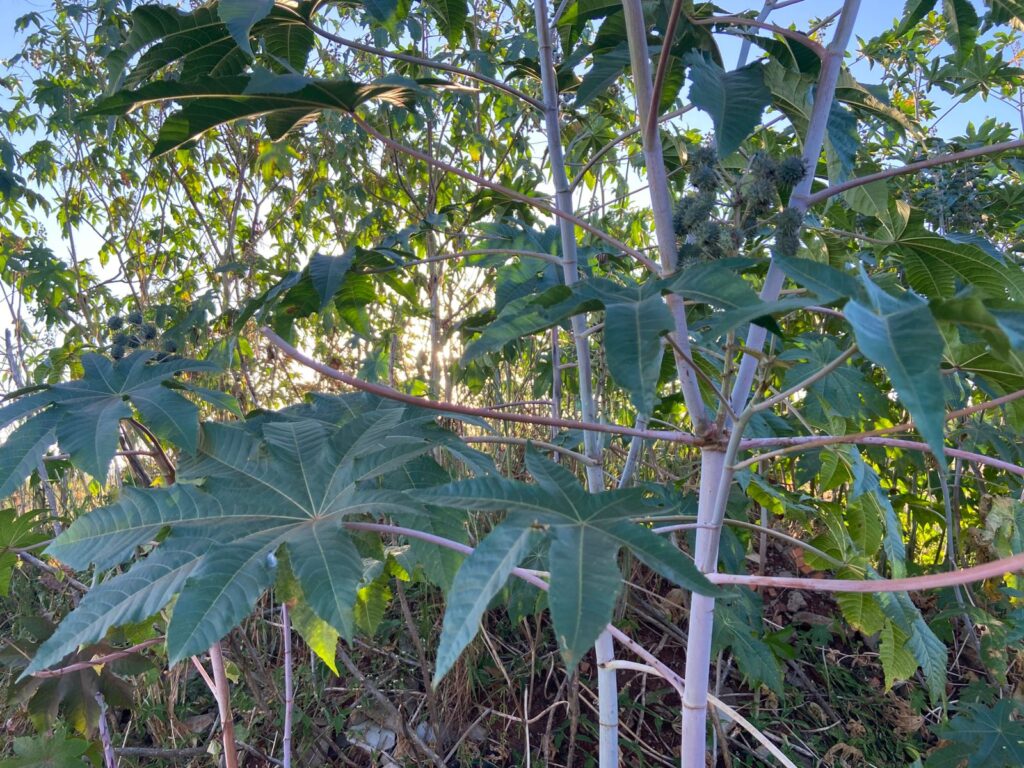
- Castor leaf (Ricinus communis L.): used for spiritual connection with your witch ancestor and energetic cleansing. Specifically, this herb is perfect for weekly baths if used without adding other herbs. However, when other herbs with the same purpose are added, it is ideal that the bath be monthly. Click here to learn more about the castor leaf.
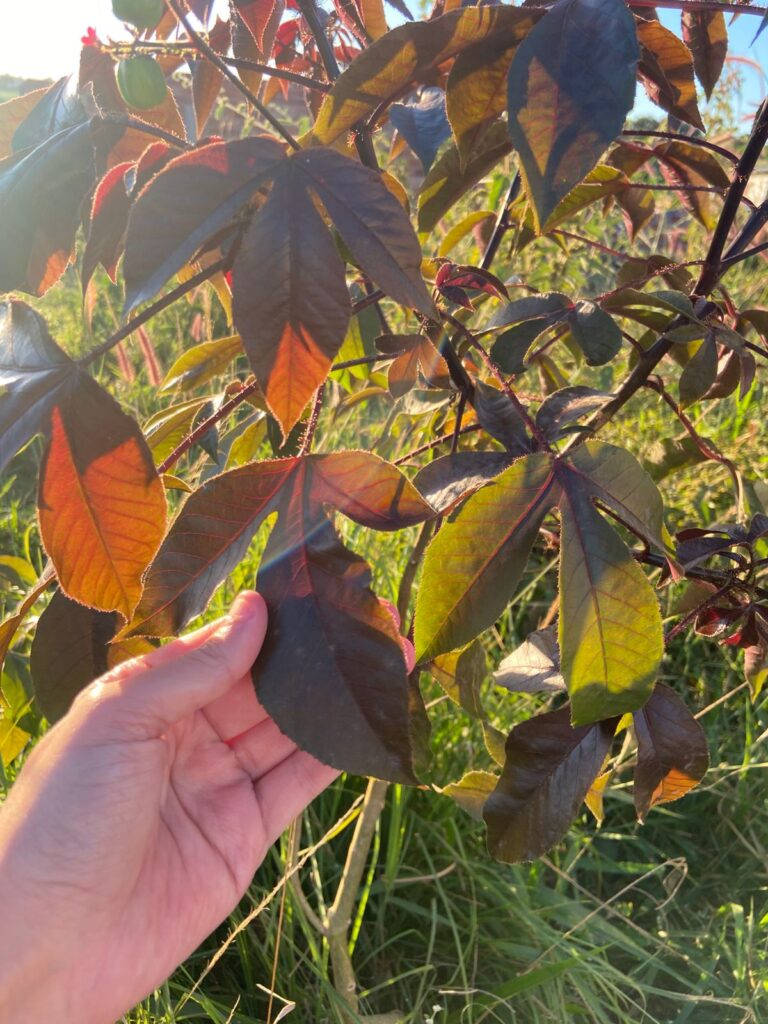
- Jatropha leaf (Jatropha gossypiifolia): also an excellent herb for energetic cleansing. It is believed that this herb has the power to create a spiritual shield that repels negative energies, unwanted influences, and harmful spiritual forces. This helps to keep the practitioner safe and balanced.
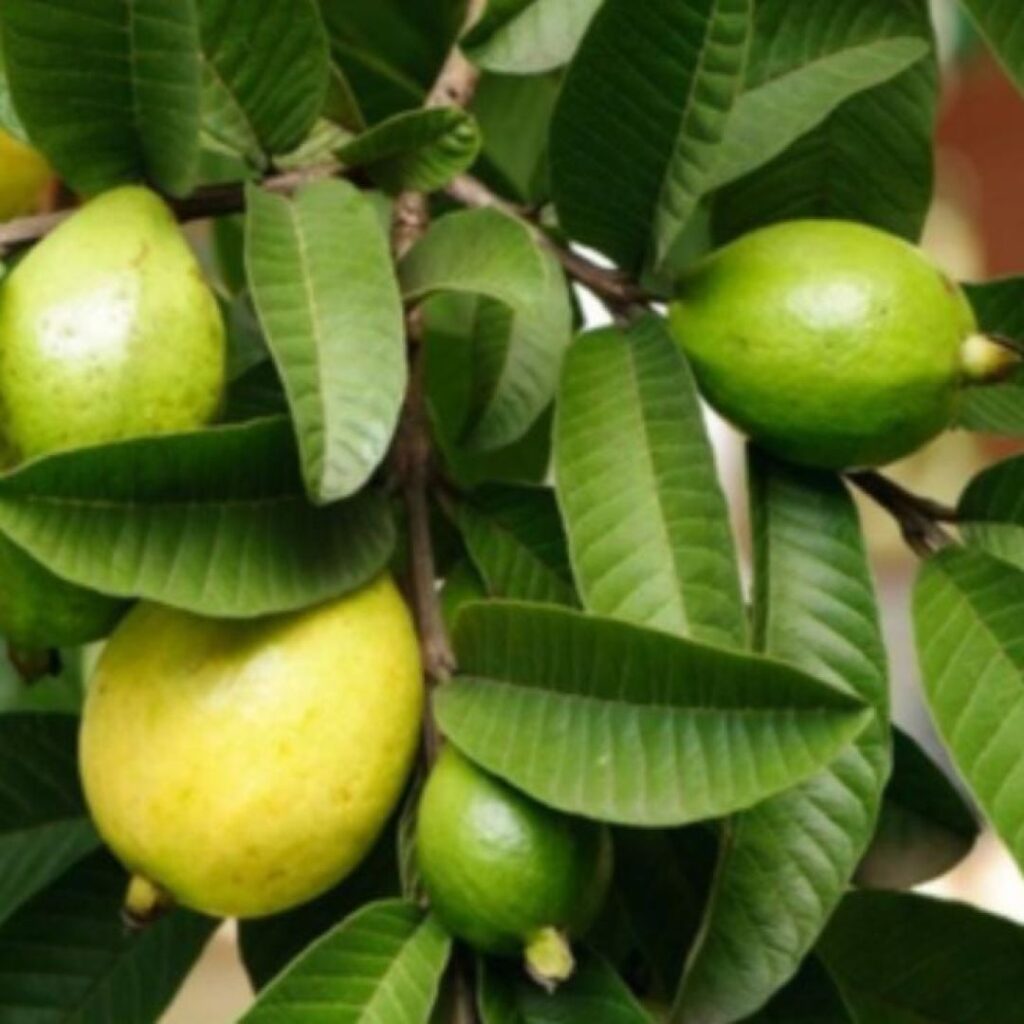
- Guava leaf (Psidium guajava): Guava is a fruit widely cultivated in Brazil. We frequently use the guava leaf for baths for energetic cleansing, but the guava leaf is also excellent for restoring emotional balance when we are exhausted, stressed, or facing problems at work or with family.
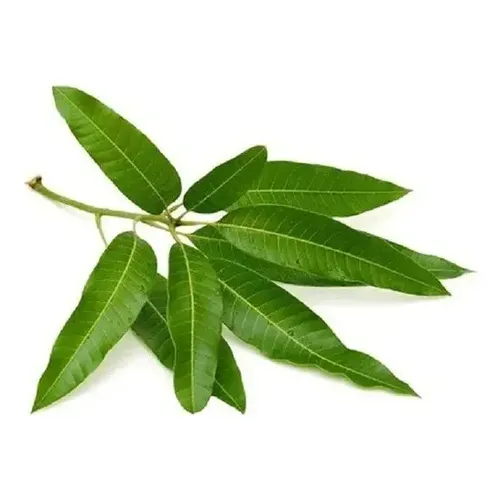
- Mango tree leaf (Mangifera indica L.): Mango leaves are used for energetic cleansing baths, acting aggressively in the cleaning process, removing dense energies such as envy, as well as small negative spells cast against a person.
Additionally, there are specific baths for attracting money and if you want to know more about them click here.
How to prepare a herbal bath?
In African-based religions practiced in Brazil, or with strong native influence, the preparation of the herbal bath always begins even before taking the leaf directly from nature. We take the leaves from the corresponding tree, so for example, if the bath will be made with mango leaves, we go to a mango tree and respectfully collect the leaves, always choosing the healthiest ones.
We cannot forget that herbal baths are almost always made with fresh leaves. In traditions such as Hoodoo, I know that conjurers use dried herbs to prepare baths, but in Kimbanda, this is rare.
After collecting fresh leaves, upon arriving home, we wash the leaves to remove dirt and begin macerating them, which can be done using a wooden mortar or by rubbing the leaves between both hands. Both methods are correct. Water is added to the container (mortar or a bucket).
During maceration, the juice of the leaves is incorporated into the water, giving it a dark or greenish color, depending on the herb you are using. Meanwhile, while macerating, we sing songs dedicated to various entities, depending on the line of Kimbanda we practice.
Once the herbal bath is prepared, we can leave the juice with the remaining leaves or simply strain the preparation, leaving only the water with the juice of the leaves.
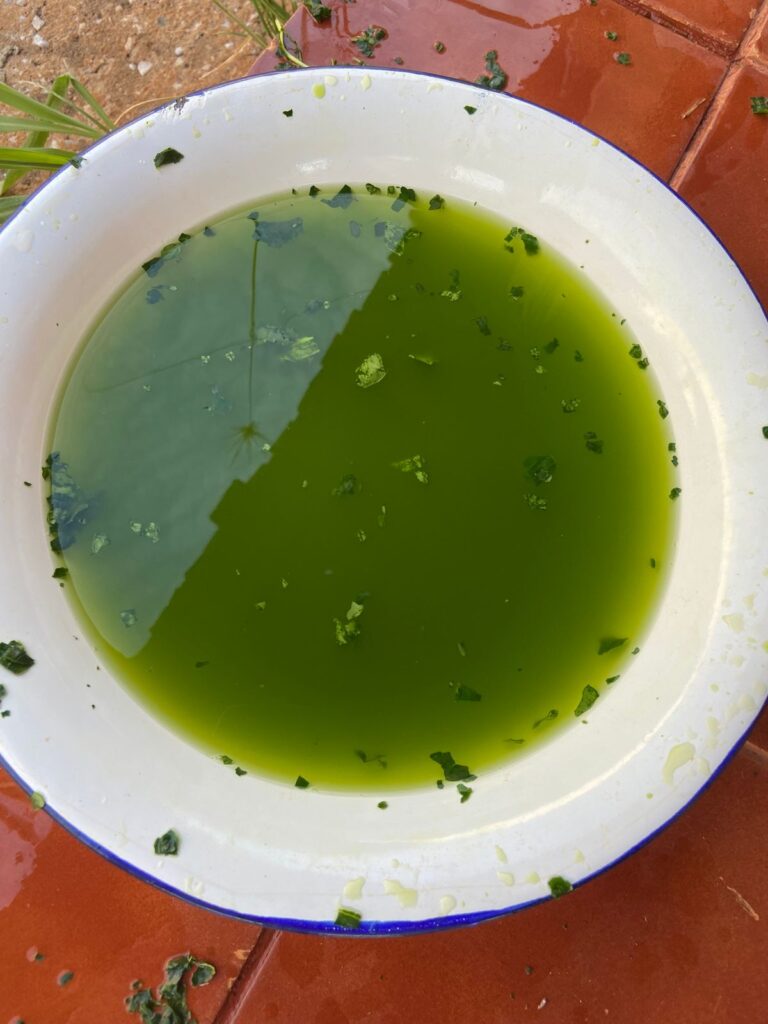
After straining the juice, you can go to the bathroom, take your hygiene bath first (with shampoo, soap), and then, pour the herbal bath over your head, letting the water run over your entire body. At this moment, you should always visualize positive things, imagine that your body is being purified, and that bad energies are being removed.
Upon taking the herbal bath, you should not use a towel to dry your body. Ideally, immediately following the bath, you should let your body dry naturally.
In conclusion, there is no secret to a herbal bath.
Guidelines after the herbal bath
We use baths before or after a ritual procedure within Afro-Brazilian religions, but we also use them at home for cleansing and energetic balance. In cases where we use the herbal bath in our home, it is recommended to take the bath before sleeping. As mentioned above, remember to let your body dry naturally, without using towels.
What benefits can I expect from the herbal bath?
Herbal baths are excellent tools because they are low-cost and help us with energetic balance.
I have had experiences with various herbs, and what I can say is that each person will feel good with a specific herb. For example, it has also happened to me that I was participating in an Umbanda house, and the priest prepared a bath with various herbs. After bathing with this preparation, I immediately felt very bad, my skin turned pale, and I had a sensation of fainting.
Today I know that I cannot bathe with tobacco leaves because this herb removes much of my protection and is aggressive for me. So, each person will adapt to a particular bath, and you will only know by doing some tests.
Can baths be done at home?
Even if you are not part of any Afro-Brazilian cult, you can still do herbal baths at home. Herbs are an inheritance left by nature, and we can and should use everything that nature can offer us.
You can pray Psalms while macerating the leaves, or simply maintain positive thoughts. The practice of praying Psalms does not exist in Kimbanda, but I know it is common in Hoodoo, which is why I mentioned the Psalms. I respect all traditions.
In magic, what matters is the intention placed when handling a specific herb. It does not matter if you practice Hoodoo, Kimbanda, Voodoo, Obea, Palo Mayombe, etc.
Finally, if you want to know a little about what Kimbanda is, click here.
Deixe um comentário