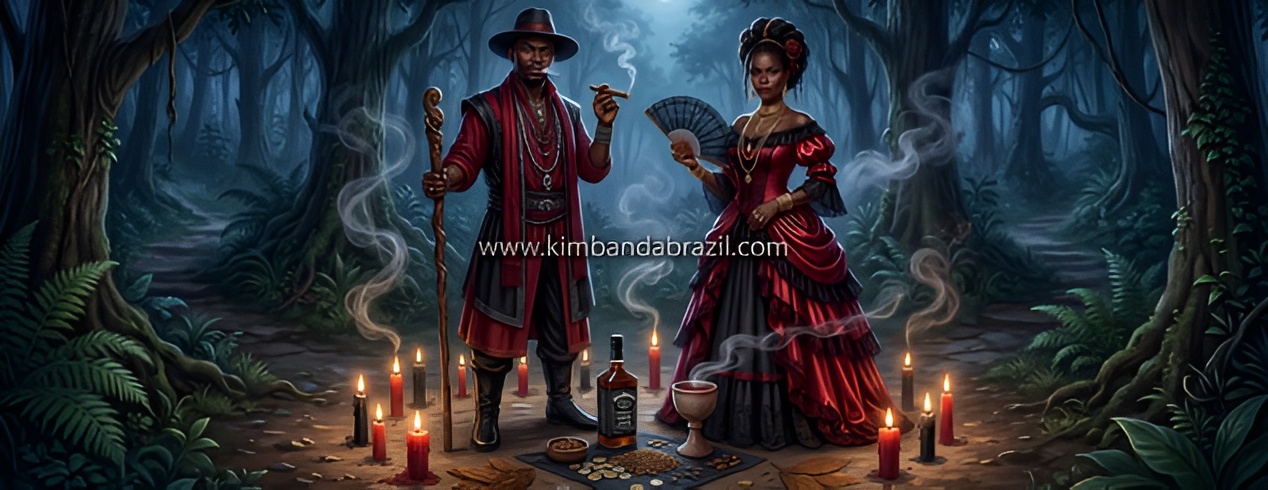
Zé Pelintra is one of the most recognized and intriguing figures in Afro-Brazilian religions, particularly Umbanda and certain lines of Jurema Sagrada. His presence blends ancestry, urban marginality, social resistance, and popular spirituality. Over the years, he has evolved into a symbol that goes beyond religion, shaping Brazilian culture around malandragem, street survival, and navigating social inequality.
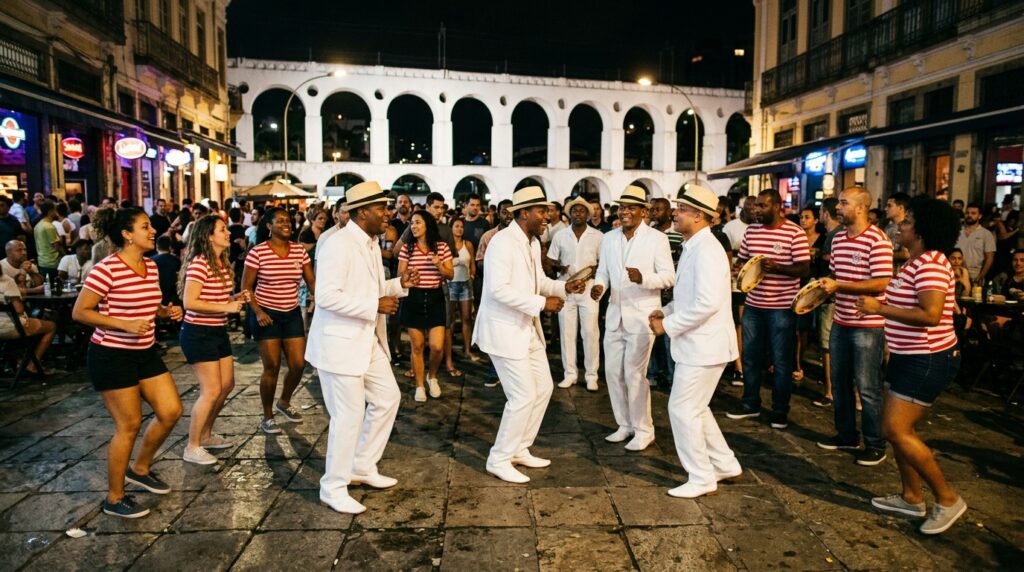
This article explores his origins, cultural meaning, the concept of malandros, traditional offerings, and the groups of people he is believed to guide and protect.
Origins of Zé Pelintra in Brazil
Zé Pelintra does not have a single documented historical origin. He emerged in Afro-Brazilian spiritual practices, especially Umbanda and Kimbanda, which developed in Brazil in the early 20th centuryKimbanda is an initiatory spiritual tradition in which practitioners honor and work with their own ancestry, creating a unique spiritual framework that integrates guidance from ancestral and urban energies.
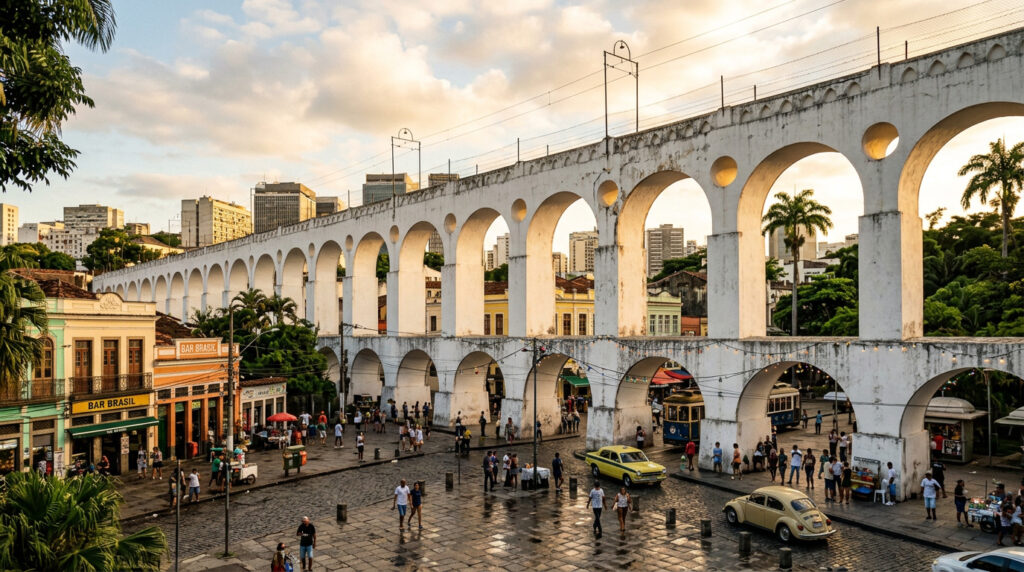
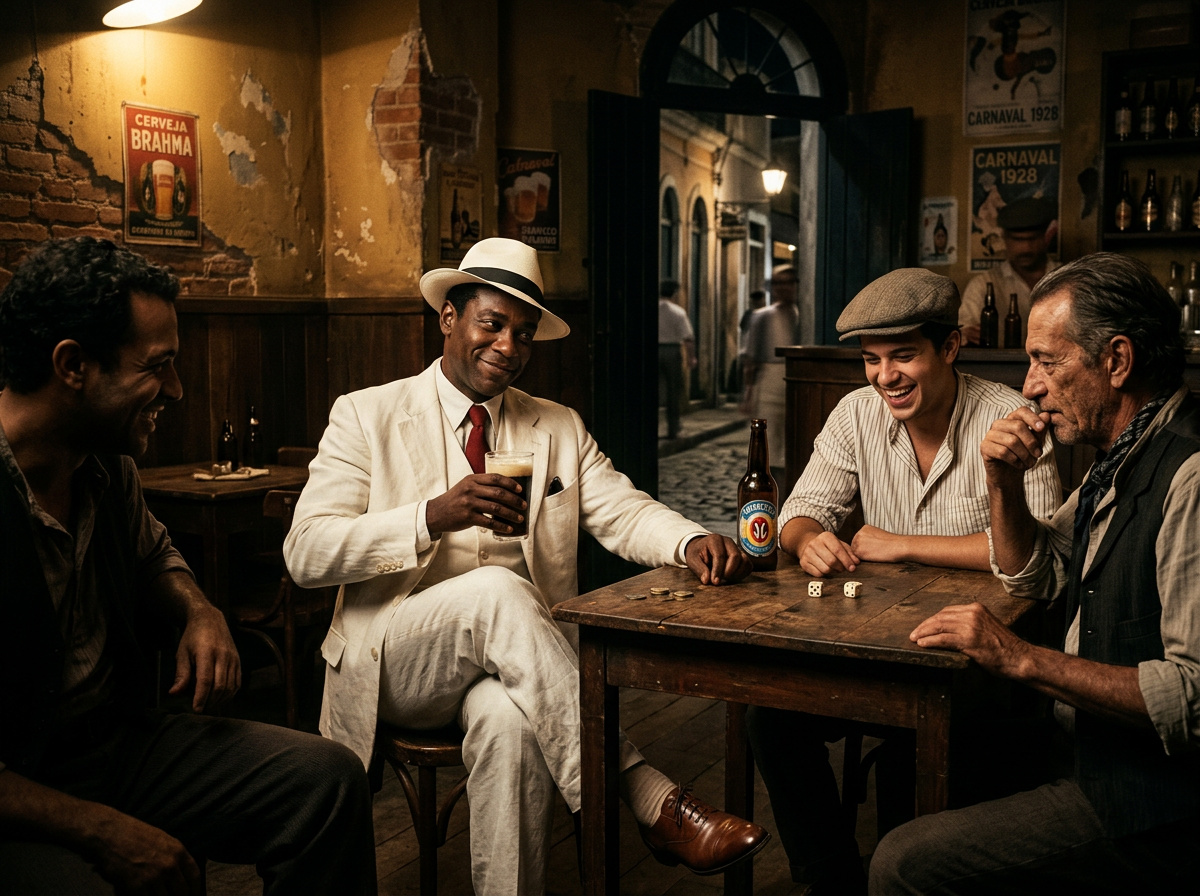
He is part of the spiritual line of “malandros,” entities that symbolize street life, cunning, survival, and social awareness. Zé Pelintra embodies the balance between playfulness and wisdom, offering guidance to those navigating life’s complexities. His visual representation typically shows him wearing a white suit, polished shoes, and a tilted-brim hat, with a posture that conveys confidence, charisma, and moral authority. This image reflects both elegance and streetwise intelligence.
Within Umbanda, Zé Pelintra is seen as a guide and teacher, offering insight into survival, social justice, and ethical discernment. In Kimbanda, he is often understood as an Exu Malandro, a spiritual entity connected to crossroads, balance, and decision-making. He is believed to open and close paths, applying spiritual guidance in ways that align with human actions and moral consequences.
Want to learn about Exú Mirim? Click here.
Understanding Malandros in Brazilian Culture
The concept of malandros is central to Brazilian culture and closely linked to Zé Pelintra. Malandragem, the essence of the malandro, cannot be directly translated into English as “trickery” or “crime.” It encompasses social intelligence, adaptability, creativity in adversity, and the ability to navigate life in challenging environments. For outsiders, malandragem can be understood as “street-smart cultural intelligence,” representing the art of using cleverness, charm, and insight to overcome obstacles.
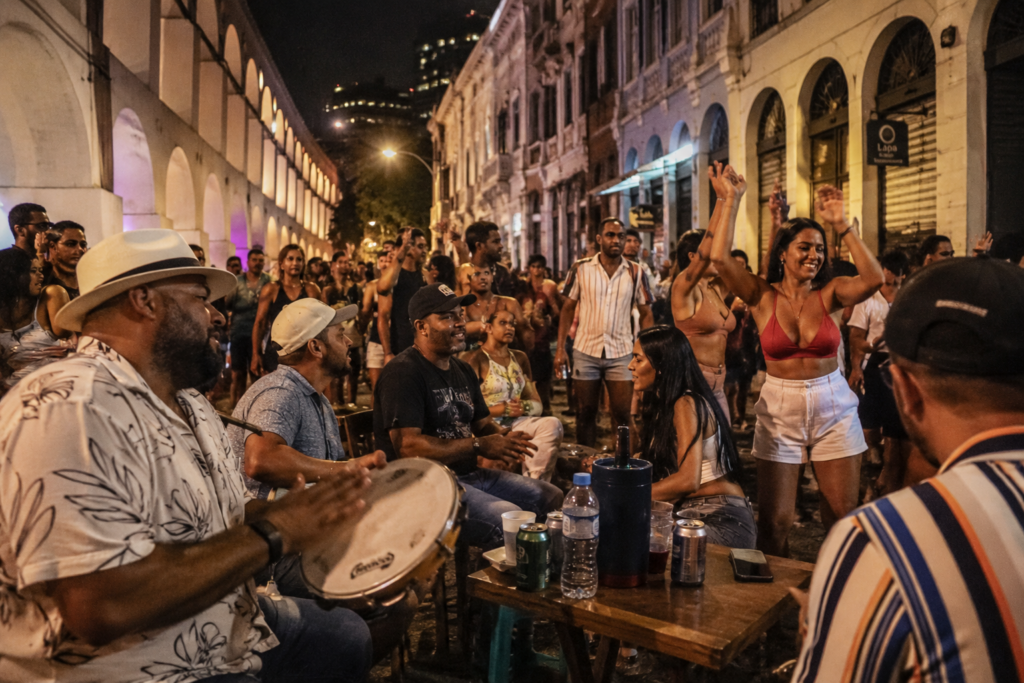
Malandros appear in Brazilian music, literature, and popular culture as individuals who navigate life through nightlife, improvisation, and charm rather than formal labor. Spiritually, malandros serve as guides who understand hardship, poverty, and social inequality, teaching practical intelligence, emotional awareness, and resilience. Zé Pelintra exemplifies this energy, blending street-smart wisdom with spiritual guidance to inspire and protect those in vulnerable situations.
Is Kimbanda black magic? Click here to know.
Offerings Associated with Malandros
Offerings to Zé Pelintra and other malandros are symbolic acts of respect, gratitude, and connection with spiritual entities. They are not payments but gestures that honor their energy and guidance. Common offerings include cachaça, quail eggs, fried sausage, crispy pork cracklings, beer, and roasted peanuts, cigars or cigarettes, bread, farofa, and fruits. These items represent daily life, simplicity, and the connection between the spiritual and urban environments.
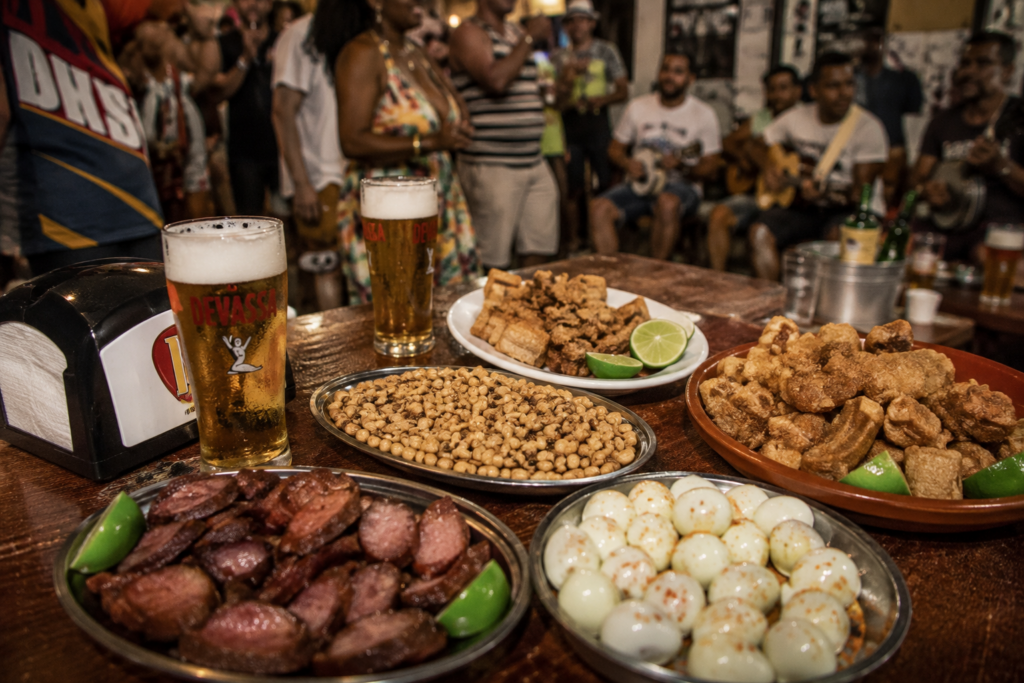
Colors play a significant role in offerings and rituals. White symbolizes balance and spiritual protection, red represents vitality and energy, and black signifies strength and resilience. Offerings are often placed at crossroads, bars, or transitional urban spaces, reflecting the symbolism of movement, choices, and life paths, as well as Zé Pelintra’s connection to urban life.
Who Zé Pelintra Protects
Zé Pelintra is considered a protector of individuals facing social, economic, or emotional vulnerability. He is invoked by people navigating informal work, urban hardships, or situations of betrayal and exploitation. His guidance is also sought by those who struggle with risky decisions, addiction, or emotional instability, providing insight and spiritual balance for navigating life safely.

In addition to protecting the vulnerable, Zé Pelintra is closely associated with artists, musicians, nightlife communities, and bohemian environments. These spaces embody improvisation, creativity, and social interaction, reflecting the energy of the malandro and the spiritual influence of Zé Pelintra.
Ultimately, he serves as a universal protector and guide, resonating with anyone who seeks to navigate life’s difficulties while maintaining dignity, hope, and a sense of ethical awareness.
Final Thoughts
Zé Pelintra represents the fusion of spirituality, survival, and urban Brazilian culture. He exemplifies how creativity and adaptability can transform challenges into opportunities, reflecting the resilience of the Brazilian spirit. The concept of malandragem shows how intelligence, charm, and practical insight become essential tools for navigating social and economic challenges.
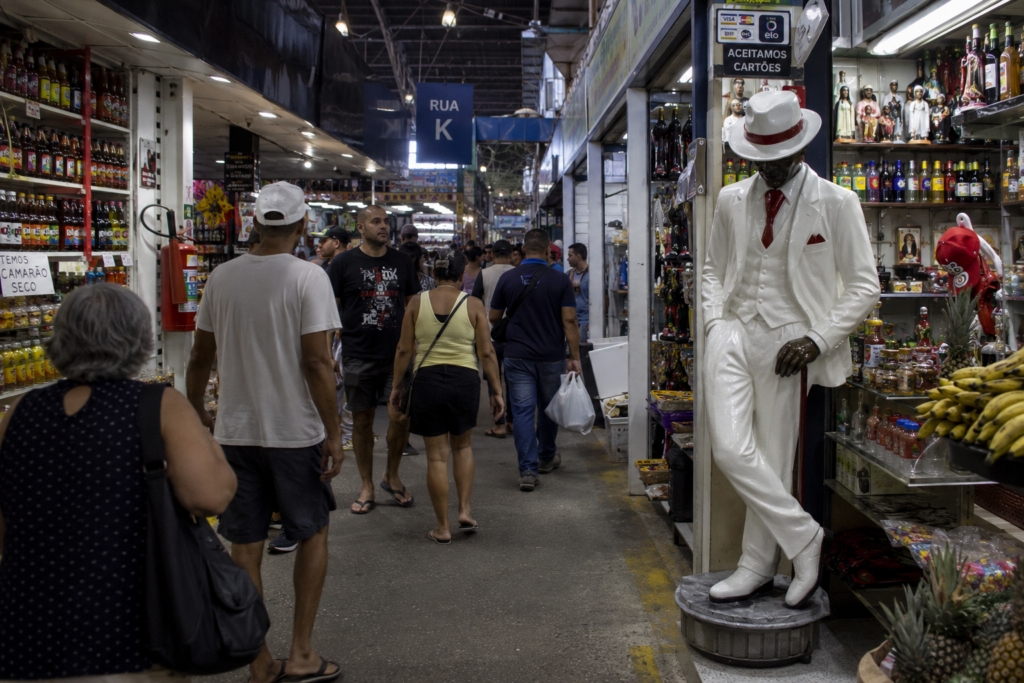
Through rituals, offerings, and spiritual practice, Zé Pelintra continues to inspire and guide individuals across diverse social and cultural contexts, bridging urban experience and sacred tradition. He remains a powerful figure whose energy embodies protection, guidance, and the wisdom of those who navigate life with awareness, cleverness, and moral balance.
Want to know how much a love spell costs? Click here.
Deixe um comentário